


Pineapple Strain Guide: Tropical Flavor, Uplifting Effects, and Home Grow Masterclass

What Pineapple is
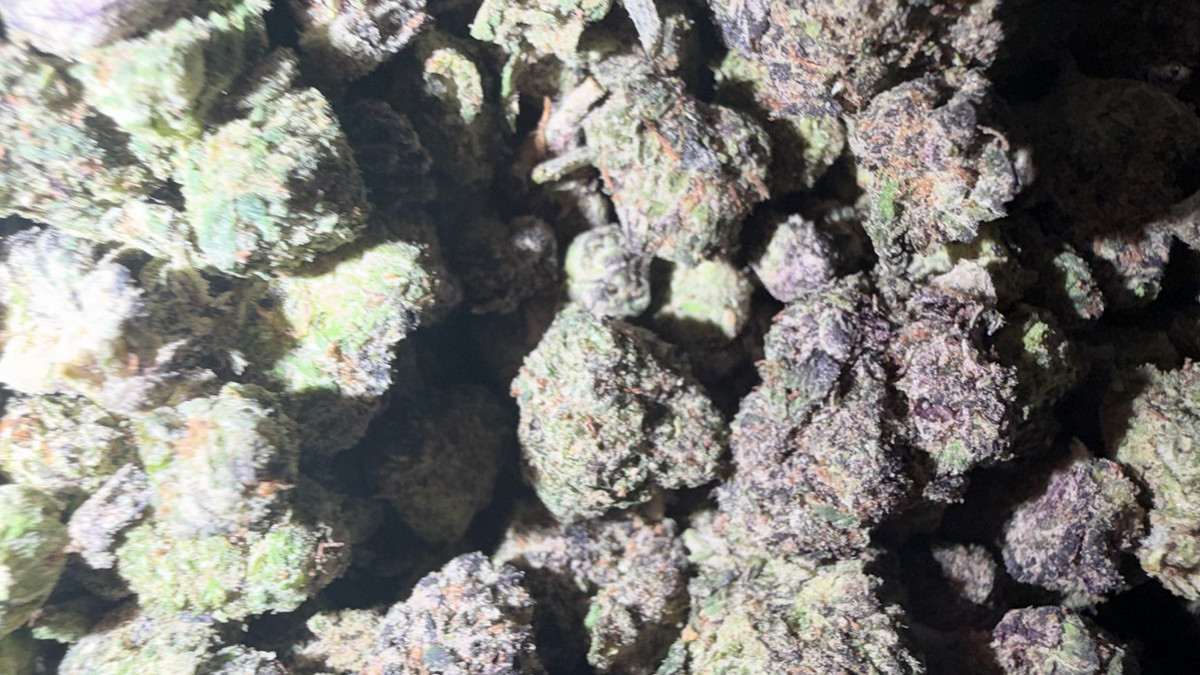
The Pineapple cannabis strain is a beloved tropical variety known for its distinct fruit-forward aroma and energizing personal experience. Typically leaning toward a sativa-dominant profile, it generally offers a moderate to high potency that suits afternoon productivity or social gatherings. For newcomers entering the DMV cannabis community, understanding how different hybrid profiles interact with your endocannabinoid system helps you select the right option for your routine.
Whether you prefer traditional smoking or modern vaporization methods, this strain delivers a distinct sensory punch that stands out in any collection. Our team at Bud Lords frequently highlights tropical profiles for consumers seeking a flavorful, bright experience without heavy sedation. Knowing its typical potency range ensures you can pace your consumption comfortably.
Product Highlights
Below is a quick reference table outlining the key specifications commonly associated with the Pineapple cannabis variety across regulated markets.
Spec | Details |
|---|---|
Strain Type | Sativa-Dominant Hybrid |
Commonly Reported THC Range | 16% to 22% |
Dominant Terpenes | Myrcene, Caryophyllene, Limonene |
Effect Profile | Uplifting, creative, talkative, mildly euphoric |
Best Time of Day | Morning or afternoon |
Available Formats | Flower, pre-rolls, live resin cartridges, and concentrates |
Lineage and genetics
While exact parentage can vary depending on the specific breeder and seed bank, Pineapple is widely recognized as a descendant of classic tropical genetics like Pineapple Express or direct Hawaiian landrace ancestry. Breeders aimed to capture the essence of fresh island fruit while preserving a vigorous growth structure suited for indoor and outdoor setups. This genetic background gives the plant its signature vitality and resilience during the vegetative phase.
Tracing the lineage of legacy strains often reveals a rich history of phenotype selection tailored for distinct aroma and yield traits. Over the years, cultivators have refined these genetics to stabilize the sweet, citrusy terpene combinations that define modern cuts. This careful breeding history ensures reliable characteristics from batch to batch.
Aroma, flavor and terpene profile
Cracking open a jar of properly cured Pineapple flower immediately releases a wave of sweet citrus, sharp pine, and unmistakable fresh-sliced pineapple notes. The dominant terpene myrcene contributes an earthy undertone, while limonene and caryophyllene add zesty brightness and a subtle spicy kick on the exhale. This complex chemical makeup creates a smoke that is remarkably smooth and exceptionally flavorful.
When consumed through low-temperature vaporization, the delicate top notes really shine, offering a truly gourmet tasting experience. The rich aromatic profile is a primary reason why concentrate processors love turning this cultivar into live resin and live rosin extracts. Every inhalation feels like a mini vacation to a sunny shoreline.
Reported effects and common uses
Consumers frequently describe the Pineapple experience as a cerebral lift that clears mental fog and encourages lighthearted conversation. It tends to inspire creative projects, outdoor walks, or social gatherings where a boost in mood is welcome. Because it rarely induces couch-lock, it remains a favorite for daytime productivity.
Our read: While individual chemistry dictates your personal reaction, most users find that this profile pairs wonderfully with daytime hobbies and artistic endeavors. Keeping a balanced snack nearby is always a good idea, as the munchies can occasionally sneak up on you. Always start low and go slow to find your optimal sweet spot.
Formats and hardware
Pineapple appears across a wide array of consumption formats, from hand-trimmed flower jars and convenient pre-rolls to potent live resin and distillate cartridges. When using vape hardware, modern ceramic heating coils and adjustable voltage batteries help preserve the delicate tropical terpenes without burning them. Drawing smoothly on a button-activated or draw-activated device ensures consistent vapor production and flavor retention.
Extraction methods drastically alter how the plant's compounds hit your system, with solventless live rosins offering the truest representation of the fresh flower profile. Distillate carts infused with botanical or cannabis-derived terpenes provide a discreet, high-potency alternative for consumers on the move. Exploring these different formats lets you tailor your sessions to your exact lifestyle needs.
Batch testing and label reading
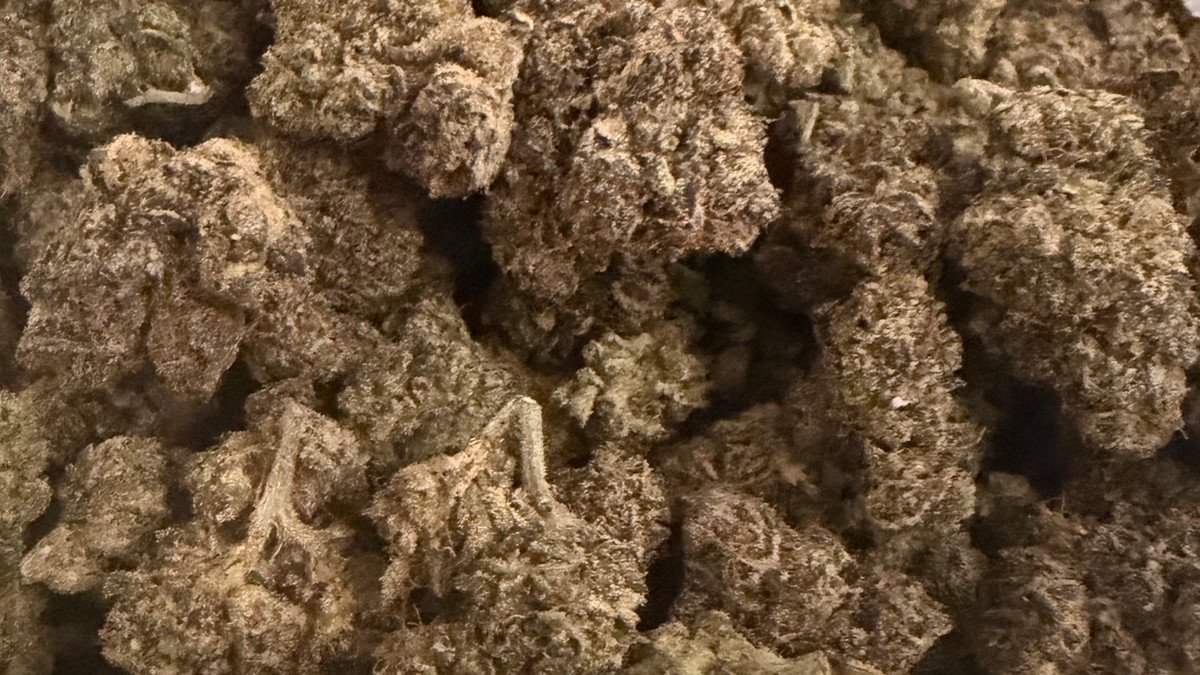
Certificate of Analysis (COA) testing provides invaluable data regarding cannabinoid percentages, total terpene content, and strict safety screenings for pesticides or heavy metals. Because agricultural crops vary naturally, you will notice that THC and terpene numbers fluctuate slightly between different harvest batches. Reviewing these lab results helps you understand exactly what chemical compounds you are introducing to your body.
Educational awareness around laboratory testing empowers consumers to demand high safety standards from their local providers. Looking beyond just the raw THC percentage allows you to appreciate the entourage effect driven by minor cannabinoids and rich terpene profiles. Always check the batch date to ensure your product has been stored properly.
How it compares
To help you choose the right profile for your collection, we have compared Pineapple against two other popular hybrid strains available on the market.
Strain | Type | Flavor | Effect | Best for |
|---|---|---|---|---|
Pineapple | Sativa-Dominant | Sweet citrus, tropical fruit | Uplifting, creative, alert | Daytime tasks, social events |
Blue Dream | Sativa-Dominant | Berry, sweet herbal | Balanced, calming, gentle focus | All-day relaxation and ease |
Gelato | Balanced Hybrid | Sweet, earthy, pungent fruit | Euphoric, deeply relaxing | Evening unwinding and hobbies |
Medical and wellness reports
Many medical cannabis patients turn to uplifting sativa-dominant hybrids like Pineapple to manage symptoms associated with chronic fatigue, daily stress, and low mood. While scientific research on specific terpene therapeutic pathways is ongoing, anecdotal reports consistently highlight its mood-elevating potential. These statements are purely educational and should never replace professional medical guidance.
Cannabinoid therapy affects every patient uniquely, meaning what works wonders for one individual may require adjustment for another. Consulting a licensed medical practitioner in your state is the safest way to integrate cannabis into a wellness plan. We encourage patients to keep a consumption journal to track which cannabinoid ratios yield the best results.
How to Grow Pineapple
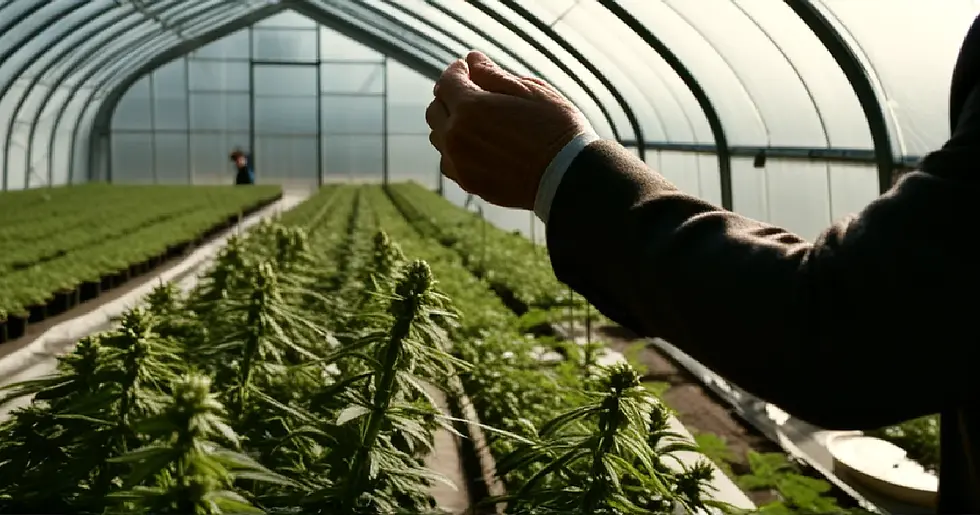
Mastering the cultivation of the Pineapple strain requires careful attention to environmental controls, feeding schedules, and canopy management from seed to harvest. This vigorous plant rewards grower dedication with heavy, trichome-laden colas that showcase its tropical heritage.
Spec | Details |
|---|---|
Grow Difficulty | Moderate |
Indoor flowering time | 8 to 9 weeks |
Outdoor harvest window | Early to mid-October |
Yield potential | 14 to 18 oz/sq.yd indoor; 16 to 22 oz/plant outdoor |
Plant height and stretch | Medium to tall with a vigorous 2x stretch |
Ideal climate | Warm, sunny, and temperate |
Mold and pest resistance | Moderate resistance; requires good airflow |
Grow Difficulty
The Pineapple strain earns a moderate difficulty rating because while it possesses strong natural vitality, its significant vertical stretch and dense bud structure demand proactive management. It suits intermediate cultivators who understand basic training techniques and environmental monitoring. Beginners can certainly succeed with patience, provided they keep a close eye on humidity levels during the final weeks of flower.
Its forgiveness regarding minor nutrient fluctuations makes it a friendly entry point into photoperiod hybrid cultivation. However, failing to prune lower growth can result in larfy lower buds and increased moisture retention. Proper preparation ensures a smooth grow cycle from germination to cure.
Canopy, Training and Pruning
Vegetative growth is robust, featuring tight node spacing that quickly thickens into a bushy framework once topped early in development. Expect a noticeable 150% to 200% stretch during the first three weeks after flipping your lighting schedule to 12/12. Implementing Low Stress Training (LST) or a Screen of Green (SCROG) setup helps distribute light evenly across all prospective bud sites.
Strategic defoliation is essential to open up the interior canopy, allowing light penetration and air circulation to prevent stagnant moisture pockets. Removing lower sucker branches that receive minimal light channels all plant energy into the top colas. Consistent pruning routines translate directly to higher-quality yields at harvest.
Feeding, Climate and Environment
This cultivar maintains a moderate to heavy nutritional appetite, requiring steady doses of nitrogen during veg followed by ample phosphorus and potassium during bloom. Ensure your water-soluble nutrient blends maintain a proper pH range between 5.8 and 6.2 for hydroponics or 6.2 to 6.8 for soil. Cal-mag supplementation is often necessary under high-intensity LED fixtures to prevent deficiencies.
Maintain daytime temperatures around 70 to 80 degrees Fahrenheit during veg, dropping slightly in flower, with relative humidity stepping down from 60% to 40% as harvest approaches. For outdoor growers facing humid Mid-Atlantic summers across DC, Maryland, and Virginia, proactive airflow and rain protection are crucial to fend off bud rot. Keep oscillating fans running continuously in indoor grow rooms.
Harvest Timing and Curing
Monitor your trichomes closely using a jeweler's loupe or digital microscope once you cross the eight-week flowering mark. Aim for a harvest window when the majority of trichomes appear cloudy white with 10% to 15% turning an amber hue for a balanced effect. Pistils should have mostly darkened and curled inward toward the swelling calyxes.
Dry your harvested branches in a dark room kept at 60 degrees Fahrenheit and 60 percent humidity for 10 to 14 days until stems snap cleanly. Trim the cured buds and place them into airtight glass jars, burping them daily for the first two weeks to lock in that signature tropical terpene profile. Patience during the curing phase elevates the smoothness and flavor of your final harvest.
Home Grow Rules in the DMV
Cultivating cannabis at home requires strict adherence to local laws governing plant counts and security measures. In Washington DC, adults aged 21 and older may grow up to 6 cannabis plants per person, with no more than 3 being mature at any one time, capped at 12 plants per household. Maryland law permits adults 21 and older to grow up to 2 plants per household out of public view and secure from minors. Virginia adults 21+ are permitted up to 4 plants per household, requiring proper plant tagging with the grower's name and driver's license number while keeping them out of public sight. Always verify current state statutes before starting your grow, as regulations are subject to ongoing legislative updates.
Similar strains worth trying
If you enjoy the tropical profile and uplifting nature of Pineapple, several other varieties deserve a spot in your rotation. Strains like Tangie, Lemon Haze, and Maui Wowie offer similarly vibrant fruit aromas and energetic head highs. Exploring these options helps you discover new favorites while expanding your palate.
Our take: Building a diverse collection of daytime strains ensures you always have the right companion for your weekend hikes or creative sessions. Check your local dispensary menus or delivery services for availability on these classic fruit-forward cultivars.
The Bud Lords Take
At Bud Lords, we believe that understanding your cannabis—from its terpene origins to its growth structure—elevates the entire consumption experience. Pineapple remains a standout choice for DMV consumers who appreciate bright flavor and reliable daytime clarity. Remember that Washington DC operates under unique Initiative 71 gifting rules, and all cannabis products are strictly intended for adults aged 21 and older.
Whether you are ordering convenient DC delivery or planning your next home grow project, quality and education always come first. Explore our full menu and blog archives for more deep-dive strain guides tailored to the local community.
What does the Pineapple strain taste like?
Pineapple features a sweet tropical fruit flavor profile complemented by sharp citrus notes, fresh pine, and a subtle spicy exhale.
Is Pineapple a sativa or an indica?
Pineapple is widely classified as a sativa-dominant hybrid known for its uplifting, cerebral, and creative effect profile.
How long does Pineapple take to flower indoors?
When grown indoors, Pineapple typically finishes its flowering cycle in approximately 8 to 9 weeks.
Can I grow Pineapple plants at home in the DMV?
Yes, depending on your specific jurisdiction—DC, Maryland, or Virginia—adults 21+ may grow a legal limit of plants at home provided they follow local security and plant-count laws.
Pineapple is not in the Bud Lords menu right now. Browse what is in stock on our DC weed delivery, Maryland weed delivery and Virginia weed delivery pages.
More strain guides: Jack Herer, Gelonade, Permanent Marker.
Frequently asked questions
Here is what most people ask about Pineapple in this area.
What Pineapple is?
The Pineapple cannabis strain is a beloved tropical variety known for its distinct fruit-forward aroma and energizing personal experience. Typically leaning toward a sativa-dominant profile, it generally offers a moderate to high potency that suits afternoon productivity or social gatherings. For newcomers entering the DMV cannabis community, understanding how different hybrid profiles interact with your endocannabinoid system helps you select the right option for your routine.
How it compares?
To help you choose the right profile for your collection, we have compared Pineapple against two other popular hybrid strains available on the market.
How to Grow Pineapple?
Mastering the cultivation of the Pineapple strain requires careful attention to environmental controls, feeding schedules, and canopy management from seed to harvest. This vigorous plant rewards grower dedication with heavy, trichome-laden colas that showcase its tropical heritage. Spec Details Grow Difficulty Moderate Indoor flowering time 8 to 9 weeks Outdoor harvest window Early to mid-October Yield potential 14 to 18 oz/sq.
What does the Pineapple strain taste like?
Pineapple features a sweet tropical fruit flavor profile complemented by sharp citrus notes, fresh pine, and a subtle spicy exhale.
Is Pineapple a sativa or an indica?
Pineapple is widely classified as a sativa-dominant hybrid known for its uplifting, cerebral, and creative effect profile.
How long does Pineapple take to flower indoors?
When grown indoors, Pineapple typically finishes its flowering cycle in approximately 8 to 9 weeks.
Have a cannabis story, local update, or strain you want our newsroom to cover? Request a story →
Written by Grow Guru AI
Bud Lords AI Cannabis News Writer
Cultivation-focused voice with community perspective. Covers growing tips, techniques, and cultivation industry news.
Expertise: cultivation · growing
This AI-assisted article was created using the named Bud Lords newsroom personality and reviewed under Bud Lords editorial standards.



Comments