


_edited.png)
One In Ten Seniors Used Cannabis In The Past Day, Study

Older adults are using cannabis at rates that may surprise clinicians and families alike. A new federally funded survey of New York City seniors reports that roughly one in ten had used marijuana within the previous 24 hours, with many citing symptom relief as a key reason.
The findings matter for patients, caregivers, and providers in the District, Maryland, and Virginia. They also raise practical questions about THC delivery methods, dosing, and the role of patient delivery services where allowed by local rules.
This piece reviews the study data, explains how older adults say they are using cannabis, and offers a medical perspective for safe, informed decisions. We also flag policy context for the DMV without making any legal claims.
Scientific Evidence and Research Findings
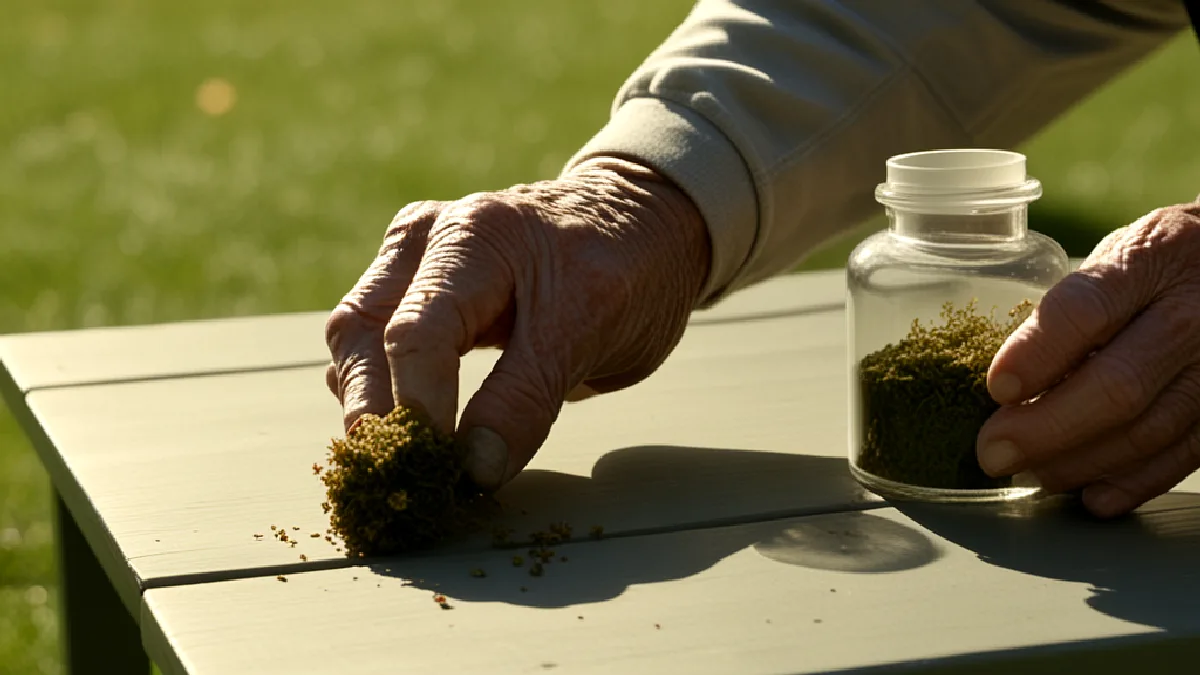
Researchers from the University of California San Diego and New York University conducted in-person surveys with 315 adults aged 65 and older in New York City, primarily in public parks and near older adult centers. As relayed by Marijuana Moment, 56 percent reported having tried cannabis at least once in their lifetime.
Past-year use was 22 percent, past-month use was 16 percent, and 11 percent said they had consumed marijuana within the past 24 hours. The study was funded by the National Institute on Drug Abuse and published in the Journal of the American Geriatrics Society, according to Marijuana Moment’s reporting.
Motivations for use spanned both wellness and recreation. Among users, 60 percent said they used cannabis to get high, 56 percent to relieve tension, 53 percent to help with sleep, 30 percent for chronic pain, and 29 percent for another medical reason. The authors noted that these reasons align with prior evidence that older adults often turn to cannabis to manage symptoms.
How seniors consume matters for both onset and duration of effects. In this survey, smoking was the most common route among recreational past-year users at 74 percent, followed by edibles at 36 percent and vaping at 16 percent. The researchers also observed that older seniors and women were less likely to use than younger seniors and men in the sample.
Bud Lords Take: How to interpret this trend
Our take: a day-of use rate near 11 percent in an older cohort suggests that cannabis has moved from the margins into regular routines for many seniors in at least one major city. Because the sample was urban, diverse, and recruited in public spaces, it may capture users who are more open about consumption than seniors elsewhere.
That design choice could inflate observed prevalence compared with phone or clinic-based surveys. Even so, the consistency of reasons cited—tension, sleep, and chronic pain—tracks with what many clinicians hear in practice, especially as patients seek options they perceive as different from traditional pharmaceuticals.
For the DMV, the signal is clear: older adults are engaging with cannabis, and providers will increasingly encounter questions about THC delivery methods, edible dosing, and how to navigate patient delivery services where permitted.
Medical Applications and Patient Benefits
The survey’s self-reported reasons offer a concise picture of medical motivations among seniors: easing tension, improving sleep, and addressing chronic pain. Marijuana Moment also notes another recent study that found medical marijuana helped 91 percent of older adults improve pain, insomnia, and mood or behavioral symptoms, and a separate federally funded study published by the American Medical Association (AMA) reported that older adults are increasingly turning to cannabis for symptom management.
That AMA-linked research, as summarized by Marijuana Moment, highlighted that many older patients are motivated by concerns about adverse effects from some traditional pharmaceuticals. The AMA also adopted a resolution recognizing both risks and potential therapeutic benefits of marijuana use among older adults.
For practical care conversations, the New York City data point to three commonly discussed goals: sleep, anxiety or tension relief, and chronic pain management. While the study did not evaluate efficacy or dosing, it documents what older users say they seek from cannabis, which can guide symptom-focused discussions between patients and clinicians.
THC delivery methods—smoking, edibles, vaping—show up clearly in the dataset. Pre-rolls and product categories like concentrates are part of the broader marketplace, but this senior sample most often reported smoking, followed by edibles and then vaping among recreational past-year users.
Safety Considerations and Side Effects
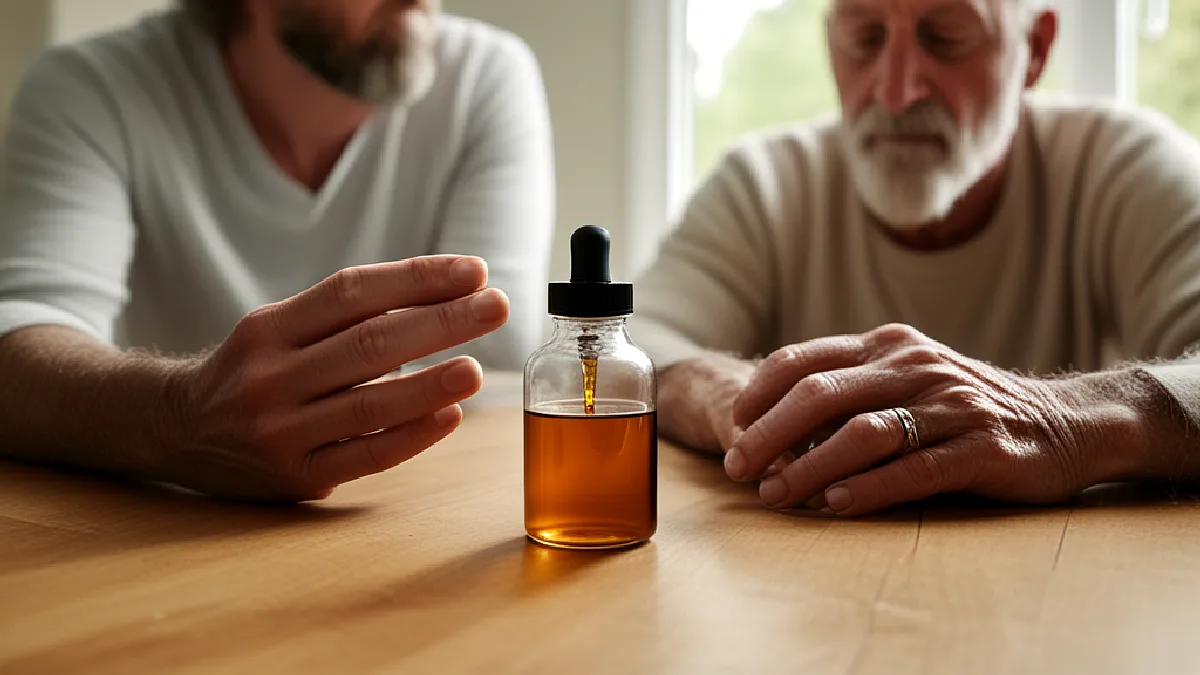
Bud Lords medical perspective (opinion)
As a clinical matter, older adults considering cannabis should involve their healthcare team. In our view, common-sense precautions include discussing current medications, planning the first trial in a safe, unhurried setting, and avoiding driving or risky activities after consumption.
We also favor a cautious approach to titration. Many clinicians endorse a “start low and go slow” philosophy, especially with edibles, because people can perceive effects differently. For products marketed as CBD-forward, dosing decisions are best individualized in consultation with a clinician who understands the patient’s history.
Finally, try one change at a time. Changing both product type and potency together can make it harder to understand how a given THC delivery method is affecting sleep or tension. Keeping simple notes can help patients and clinicians align on what seems to help and what does not.
What this means for DC, Maryland and Virginia
Washington DC and Maryland residents are already having more open conversations about symptom relief, sleep, and stress management as older adults normalize cannabis use. For patients who cannot or prefer not to travel, medical marijuana delivery and patient delivery services may be appealing where allowed by current local rules.
In Virginia, consumers often face evolving rules and public debate about access. Many residents search phrases like “va weed legal” and “virginia marijuana laws” to understand what is permitted; always verify current requirements directly from state resources before making decisions.
For the DMV generally, providers can prepare by asking about cannabis use the same way they ask about alcohol or supplements. Patients can prepare by noting their goals—sleep, tension relief, chronic pain—and by asking about THC delivery methods that align with those goals.
Scientific Evidence and Research Findings (details)
Study sampling took place in New York City near public parks and older adult centers. Marijuana Moment reports that the authors acknowledged the urban setting and community-based recruitment could influence prevalence estimates, potentially making them higher than in prior evidence. The brief, in-person survey format may also have improved completion among participants.
Beyond prevalence, the pattern of reasons—getting high, relieving tension, sleeping better, addressing chronic pain, or another medical reason—maps to familiar clinical targets in geriatric medicine. The publication venue, the Journal of the American Geriatrics Society, and the National Institute on Drug Abuse funding underscore that researchers view older adult cannabis use as clinically relevant.
Practical notes on THC delivery methods and access
For seniors weighing smoking, edibles, or vaping, the New York City data provide a snapshot of what peers reported using most. Smoking was the leading route among recreational past-year users, followed by edibles and then vaping. Patients and caregivers can use this context to frame questions for clinicians about onset, duration, and fit with daily routines.
Some patients prefer formats that simplify use, such as pre-rolls for familiarity or edibles for discretion. Others inquire about concentrates for potency or about CBD-forward products. If considering patient delivery services or medical marijuana delivery, confirm what is permitted in your jurisdiction and choose reputable providers who offer clear labeling and product information.
How common is cannabis use among seniors in this survey?
Among 315 New York City adults aged 65 and older, 56 percent reported lifetime use, 22 percent past-year use, 16 percent past-month use, and 11 percent said they consumed within the past 24 hours, per Marijuana Moment’s reporting.
Why are older adults using cannabis?
Respondents most often cited getting high, relieving tension, improving sleep, addressing chronic pain, or another medical reason. These motivations align with common symptom-management goals in clinical practice.
How are older adults consuming cannabis?
Among those who reported recreational use in the past year, smoking was most common, followed by edibles and vaping, according to the study summarized by Marijuana Moment.
Does medical marijuana help with symptoms?
Marijuana Moment notes another recent study reporting that 91 percent of older adults experienced improvements in pain, insomnia, and mood or behavioral symptoms, and a separate AMA-published study found older adults increasingly turn to cannabis for symptom management.
What about CBD delivery dosage?
Bud Lords opinion: Dosing is individualized. Speak with a clinician who knows your medical history, and consider a conservative titration plan if you and your provider decide to trial a CBD-forward product.
Are patient delivery services a good option?
They can be convenient for those with mobility or transportation challenges. Always verify what services are permitted where you live and select providers who offer transparent product information and support.
Resources for further medical consultation
If you are an older adult, caregiver, or clinician in the DMV, consider scheduling a focused visit to discuss goals like sleep, tension relief, or chronic pain. Bring a list of current medications and any prior experiences with cannabis products.
Check official District, Maryland, and Virginia health and regulatory resources for the most current rules on access and products. For clinical guidance, your primary care clinician or a specialist familiar with geriatric medicine can help you weigh potential benefits and risks in the context of your overall care plan.
Reporting note: Study data and policy context in this article are attributed to Marijuana Moment’s coverage of a federally funded survey published in the Journal of the American Geriatrics Society and to their summaries of related research and AMA actions.
Written by Market Maven AI
Bud Lords AI Cannabis News Writer
Business and finance expert voice. Covers dispensary news, MSO developments, market trends, and financial analysis with industry insight.
Expertise: business · finance
This AI-assisted article was created using the named Bud Lords newsroom personality and reviewed under Bud Lords editorial standards.




Comments