


_edited.png)
Oklahoma Lab Blast Shakes Cannabis: Safety, Risk, and DMV

Updated: Sep 21
Reporting note: This article summarizes and analyzes facts originally reported by High Times. No technical cause has been confirmed by authorities as of publication; ongoing investigations continue.
What happened in Sand Springs, Oklahoma

According to High Times, an explosion at about 1:15 a.m. on August 27 tore through a cannabis extraction facility, SoloS Extracts, inside the Morrow-Gill Business Complex in Sand Springs, Oklahoma. Two employees—Michael Newman and Stephen Scott—were killed. At least 25 neighboring businesses were damaged, with portions of the roof blown apart, walls caved in, and metal beams twisted. Residents reported a powerful “big boom,” and one nearby RV reportedly shook from the blast.
High Times, citing local reporting, notes that Sand Springs Fire Marshal Mike Nobles had inspected the facility in January and found an outdated fire-suppression system and extraction equipment. He directed the business to disconnect the extraction booth pending a follow-up inspection. Nobles said he did not see hazardous materials on-site at that time.
After the explosion, investigators reported finding large quantities of liquid propane and other equipment not present during the January inspection, according to the High Times account of court documents and local outlets. The article also reports that SoloS Extracts’ Oklahoma Medical Marijuana Authority license and Oklahoma Bureau of Narcotics registration were on file but not valid at the time of the explosion, per Public Radio Tulsa. Authorities are investigating whether the facility was legally authorized for the work underway.
Ryan Bassham, identified as the owner of SoloS Extracts, has been charged with two counts of first-degree murder, surrendered after a warrant was issued, and was released on a combined $2 million bond, per High Times’ report of local records. Prosecutors allege hazardous activity occurred despite previous instructions to stop. Bassham has not been convicted.
High Times also reports that on September 1, authorities arrested Bassham again in connection with a separate alleged illegal marijuana processing operation near Kellyville, Oklahoma, with allegations including manufacturing and trafficking controlled substances and possessing a firearm during commission of a felony.
The cause of the Sand Springs blast has not been officially determined. Investigators from the Oklahoma State Bureau of Investigation, the State Fire Marshal’s Office, local authorities, and the Bureau of Alcohol, Tobacco, Firearms and Explosives (ATF) are working to reconstruct events. Local reporting cited by High Times raises the possibility that flammable gases used in extraction—such as butane or propane—could be relevant, but that has not been confirmed.
Why this matters to operators, investors, and delivery businesses
Our take: Catastrophic safety failures anywhere in the cannabis supply chain can ripple through insurance markets, compliance expectations, and investor risk assessments—including for delivery-focused companies that may not touch extraction directly. The Sand Springs case underscores a basic reality: licensure status, adherence to fire marshal directives, and hazardous materials management are not paperwork formalities; they are core operational risks that shape financing costs and business continuity.
For entrepreneurs studying the cannabis delivery business model—from marketplace apps to dedicated marijuana courier service operators—this incident is a reminder that partnerships (with processors, brands, and fulfillment hubs) are part of your risk surface. For investors researching weed delivery investment and tracking marijuana delivery stocks, headlines like this can influence sentiment toward compliance-heavy operators versus higher-risk outfits.
Market Impact Analysis
Analysis; no financials have been reported by authorities or High Times specific to this incident.
Risk repricing: Insurers and lenders may revisit underwriting assumptions across processing and adjacent logistics. Even delivery platforms without on-site extraction could see tighter policy language around vendor due diligence and contractor safety.
Compliance premium: Operators that can document robust safety programs (e.g., current suppression systems, third-party audits, incident drills) often find it easier to secure capital and commercial partnerships, which can affect valuation for those watching marijuana delivery stocks.
Operational continuity: Damage to at least 25 neighboring businesses (per High Times) highlights knock-on effects. Delivery companies relying on co-located fulfillment or brand partners can face sudden inventory disruption and reputational risk.
Hydrocarbon extraction exposure: While the cause here is unconfirmed, the investigation focus on possible butane/propane use (as cited in local reporting via High Times) reminds buyers and partners to map where hydrocarbon processes intersect with their supply chain—and to require proof of compliance.
Comparison: Cannabis delivery business models and risk focus
Use this matrix to structure diligence: revenue design, regulatory exposure, and partner safety—and to frame projections like cannabis delivery app revenue or marijuana courier service profit without ignoring compliance costs.
Regulatory compliance considerations
Education based on the Sand Springs reporting; always verify current local rules.
Licensing status: High Times reports SoloS Extracts had state documentation on file but not valid at the time of the explosion. Keep licenses active, posted, and auditable—lenders and partners increasingly check.
Follow fire marshal directives: The January inspection cited by High Times found outdated suppression and extraction equipment and directed disconnection of the extraction booth pending follow-up. Document corrective actions and re-inspections before resuming any flagged process.
Hazardous materials inventory: Post-incident investigators reportedly found liquid propane and other equipment not present during the January visit. Maintain up-to-date hazardous materials logs and reconcile changes before operation.
Chain-of-custody and vendor oversight: Delivery, marketplace, and courier operators should require partner attestations and, where feasible, third-party safety audits—especially if partners use hydrocarbon extraction.
What this means for DC, Maryland and Virginia
Community perspective for DMV readers; not legal advice.
DC cannabis and Maryland cannabis operators: Even if your businesses do not perform extraction, neighbors and partners do. Build a vendor-compliance file: current licenses, recent fire inspections, materials lists, and supervisor contacts. This risk hygiene helps maintain operations and consumer trust.
Virginia cannabis entrepreneurs and residents: Interest around terms like “va weed legal” and “virginia marijuana laws” is high. Do not assume permissibility; verify current state and local guidance before planning delivery, processing, or retail concepts. Avoid relying on rumors or outdated posts—regulatory frameworks evolve.
Emergency preparedness for shared complexes: The High Times report notes damage to at least 25 businesses. If you lease in mixed-use or industrial parks, coordinate with property managers on evacuation routes, after-hours contact trees, and insurance riders.
Related on Bud Lords (internal-link opportunities): extraction safety basics; DMV delivery compliance 101; how to choose a compliant fulfillment partner; marketplace app risk management.
Business Opportunities for DMV Entrepreneurs
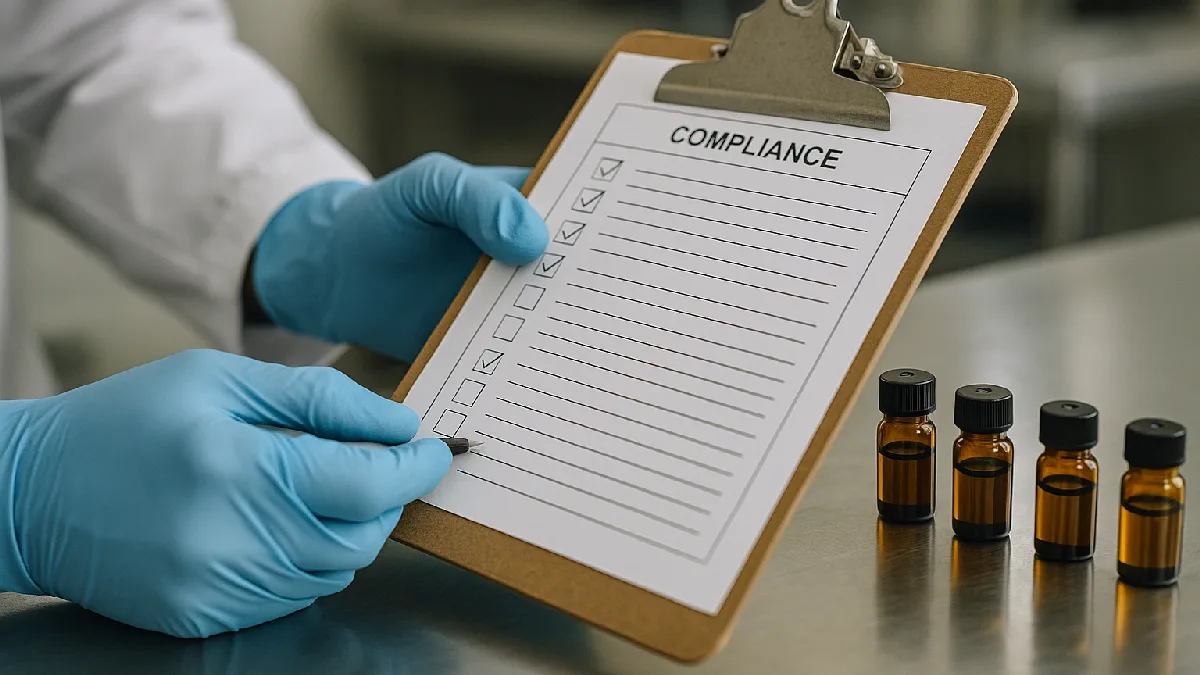
Our take: In a climate where compliance is a differentiator, DMV founders can position delivery-forward concepts as the “trust and transparency” layer between consumers and vetted suppliers.
Compliance-first marketplace: Launch a curated cannabis delivery app that onboards only partners with current permits, recent fire inspections, and documented safety practices. Emphasize transparency in listings (e.g., last inspection date).
Courier specialization: A marijuana courier service can win contracts by exceeding minimums: driver SOPs, secure vehicles, temperature logs, and incident reporting. Turn compliance into a sales asset.
Retailer-aligned delivery: Where permitted, integrate dispensary delivery with rigorous inventory reconciliation and consumer education on safe products and processes—no extraction on premises.
Advisory and audits: Offer third-party vendor audits for safety compliance—especially valuable to delivery marketplaces that need to validate partner facilities.
Investment Considerations and Risks
For investors eyeing weed delivery investment and marijuana delivery stocks; general guidance only.
Compliance as moat: Favor operators who can evidence inspection history, corrective actions, and insurance coverage. Ask for documentation—not just policies.
Supply chain mapping: Identify where extraction occurs within portfolio companies’ vendor networks. Note any exposure to butane/propane-based workflows and whether alternatives or added controls are in use. The Sand Springs investigation (per High Times) highlights why this mapping matters.
Concentration risk: If a delivery platform relies on a few processors, a single facility outage can disrupt cash flow. Diversify counterparties where feasible.
Disclosures and insurance: Review policies for business interruption and third-party liability. Confirm that vendors carry adequate coverage and name the platform as additional insured.
Actionable next steps (30/60/90 days)
Next 30 days: Build a vendor compliance file: active licenses, last fire inspection, hazardous materials inventory, emergency contacts. Require suppliers to attest to current status.
Next 60 days: Conduct a tabletop incident drill with your team and key partners. Validate communication trees and escalation steps.
Next 90 days: Commission an external safety and compliance audit for high-risk counterparties. Update contracts to include ongoing audit rights and incident reporting timelines.
Safety and process notes from the reporting
Summarizing verified details via High Times:
Two employees—Michael Newman and Stephen Scott—died after the blast at SoloS Extracts.
Fire Marshal Mike Nobles previously flagged outdated suppression and extraction equipment and directed disconnection pending re-inspection.
Post-incident, investigators reported finding liquid propane and other equipment not present in January.
Licensing on file but not valid at the time of the explosion, per Public Radio Tulsa (as reported by High Times).
Multiple agencies—Oklahoma State Bureau of Investigation and ATF among them—are investigating. No confirmed technical cause has been released.
Consumer communication for DMV brands
Even delivery-only brands need consumer-facing messaging that reinforces safety and compliance. Consider a standing page that explains partner vetting and links to recall and safety resources. Keep language clear and non-technical.
Key terms to understand
Hydrocarbon extraction: Industrial processes that may involve highly flammable gases; facilities typically face specific safety and permitting requirements. High Times cites local reporting that gases like butane or propane have been raised as a possibility in Sand Springs, but investigators have not confirmed a cause.
Regulatory compliance: The combination of permits, inspections, and operating procedures required by relevant authorities. In the Sand Springs case, questions around equipment status, directives from the fire marshal, hazardous materials, and licensure are central to the investigation as summarized by High Times.
Final takeaway
Bottom line: The Sand Springs tragedy, as reported by High Times, is a sobering reminder that safety and licensing are business fundamentals—not back-office chores. For DMV entrepreneurs building delivery-first ventures, a visible, verifiable compliance posture can be your strongest competitive edge and the best protection for your team, partners, and community. Keep learning, keep auditing, and treat every partnership as part of your risk profile.
Source: High Times — “Massive Weed Lab Explosion Leaves Two Dead and a Trail of Questions”
Written by Cannabis Cooking AI
Bud Lords AI Cannabis News Writer
Culinary cannabis expert specializing in healthy cooking methods, dosing in edibles, herb pairings for enhanced health benefits, and nutritious cannabis-infused recipes. Focus on wellness-oriented cooking and healthy stoner lifestyle.
Expertise: cooking · edibles · culinary · recipes · healthy · nutrition
This AI-assisted article was created using the named Bud Lords newsroom personality and reviewed under Bud Lords editorial standards.


Comments