


Newsom signs California cannabis-label crackdown law

California just tightened how cannabis can look on store shelves and in delivery bags. The state will crack down on packaging and labels that could attract children, with enforcement led by the Department of Cannabis Control (DCC).
MJBizDaily reports that Gov. Gavin Newsom signed the measure into law, targeting packaging that uses cartoon-style art and fruit-forward imagery, while directing regulators to step up child-safety oversight (MJBizDaily). That’s a narrow change on paper, but it carries big operational consequences for brands, retailers, and delivery couriers.
What the new California law actually does
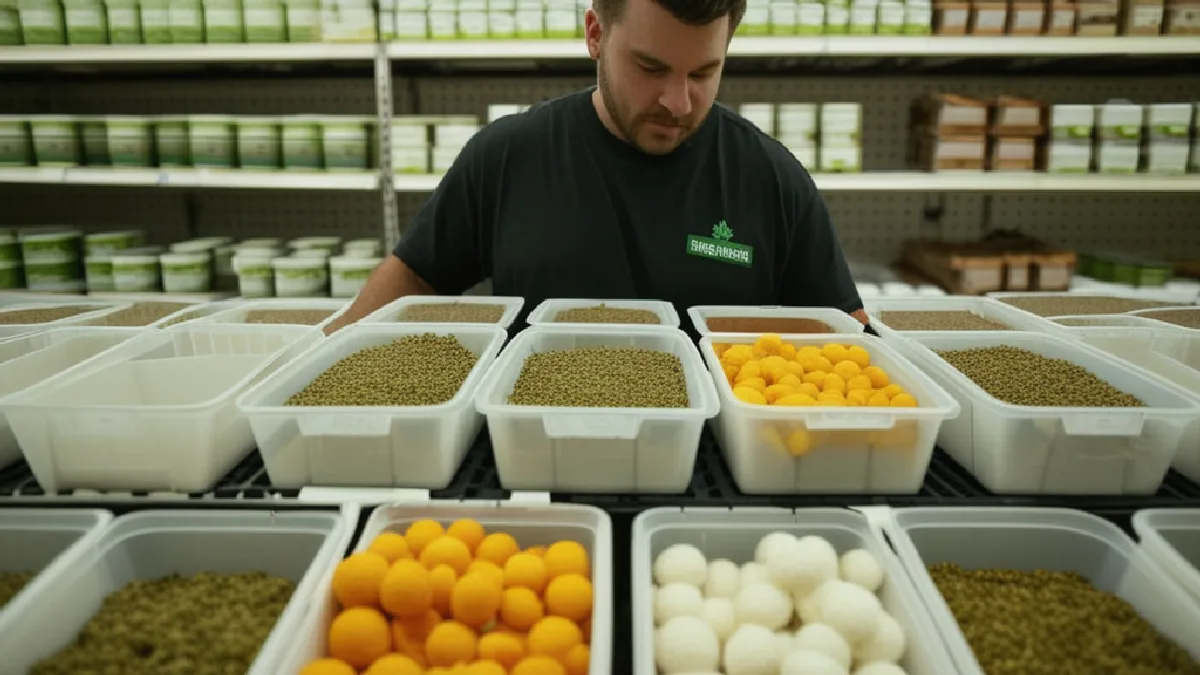
The law takes aim at youth-appealing visuals. Packaging that leans on cartoons or fruit-based designs is in the crosshairs, and the DCC is tasked with enforcing stronger child-safety labeling rules. While the text available through reporting centers on art and imagery, the policy’s spirit is clear: don’t dress adult-use cannabis up like kids’ products.
For operators, this means auditing anything a consumer sees before opening a product. That includes outer boxes, bags, stickers, and any tamper bands. Because labels follow the product throughout transport, delivery teams also need to verify that inventory is compliant before it goes on the road.
Why packaging rules matter for delivery, transport, and retail compliance
When labeling changes, the ripple effects hit the entire supply chain. Weed delivery compliance isn’t limited to driver conduct; it starts at intake and continues through every handoff. If a package’s art crosses the youth-appeal line, that item can trigger rejections, quarantines, or returns—costly for distributors and courier operations.
Here’s how marijuana delivery regulations and transport practices intersect with labeling rules in day-to-day operations:
Receiving checks: Verify labels and packaging against current DCC guidance before accepting inventory into your system.
Quarantine workflows: Segregate noncompliant SKUs to prevent accidental loading on routes.
Driver SOPs: Train couriers to spot obvious red flags (e.g., cartoon mascots) and to escalate instead of delivering.
Documentation: Keep photo records of packaging at intake and loading; attach to manifests for traceability.
Customer communications: If an order includes an item later flagged, have scripts ready to substitute or refund.
None of this is new to seasoned operators, but California’s renewed focus on child-safe labeling raises the stakes. The safest posture is proactive: brands update packaging; retailers and couriers verify; customers receive compliant goods every time.
What This Means for Washington DC, Maryland and Virginia Residents
Even though this change is in California, policy shifts in major markets often influence regulators elsewhere. If you’re in the DMV, expect more scrutiny of youth-appealing packaging in conversations around cannabis rules and responsible marketing.
For Washington DC residents and visitors, ordering within the Initiative 71 era requires extra care. Before you buy or accept delivery, review packaging for clear, professional labeling and avoid products with kid-like artwork. When discussing DC delivery, always check the District’s most current guidance and be mindful of how products are presented and stored in your home.
Maryland and Virginia consumers should watch for updates from their respective regulators and trusted local sources. Whether you shop licensed retailers, consider medical programs, or evaluate gifting models discussed in the region, favor child-resistant, plain packaging and verified lab information. Safe storage, especially for edibles, matters regardless of jurisdiction.
For the DMV cannabis market broadly, this is a signal. Brands that plan for stricter imagery standards will be better positioned if local rules evolve. It’s also a reminder that compliance is not just a store problem—it touches delivery services, transport documentation, and customer education.
Timeline and Next Steps
The law is signed. The DCC is charged with enforcing child-safety labeling rules and targeting youth-appealing art. The specifics of enforcement pace, guidance documents, and any compliance transition windows were not detailed in the reporting and may develop in follow-on communications.
What operators can do now:
Run a packaging audit: remove cartoons, kid-centric characters, and fruit graphics that could be read as youth-appealing.
Update brand guidelines: align art direction, color palettes, and naming conventions with child-safe principles.
Train front-line teams: teach receiving, budtenders, and drivers how to identify and escalate potential violations.
Tighten manifests: add photo verification of labels to your transport packets.
Communicate with customers: explain any packaging changes so expectations stay aligned.
How This Compares to Other States
Many state programs already emphasize child-resistant packaging and plain, non-youth-appealing designs, but the details differ and rules change. California’s move underscores a national pattern: regulators are paying closer attention to how cannabis looks—especially edibles that can be mistaken for snacks.
If you operate across multiple jurisdictions, treat “child appeal” as a floor to clear everywhere, not a state-by-state toggle. Build one conservative standard for art and labeling, and you’ll reduce relabeling costs and transport headaches across markets.
Bud Lords Take
Our read: moving early beats scrambling later. Packaging is a brand’s first impression and a compliance liability at the same time. By stripping youth-leaning elements now, operators avoid forced relabels, expensive write-offs, and delivery disruptions when enforcement intensifies.
We also see downstream benefits for customer trust. Professional, minimal packaging paired with clear dosing guidance helps adults make informed choices—critical for edibles, where portion control matters. Whether you favor pre-rolls, concentrates, or gummies, consistent, boring-on-purpose labeling is a win for long-term market stability.
For brands and retailers
Packaging audit: remove cartoon characters, kid-style fonts, and fruit mascots.
Label clarity: emphasize product name, potency, ingredients, and warnings.
Age-gating marketing: keep youth off marketing channels; avoid look-alike snacks.
Change control: document artwork approvals and version-lock print runs.
Recall readiness: draft a plan to pull or relabel items quickly if flagged.
For delivery and transport teams
Intake verification: photograph labels when receiving inventory.
Route prep: quarantine questionable SKUs; do not load them.
Driver coaching: teach quick visual checks before handoff at the door.
Manifesting: attach item photos to manifests for chain-of-custody proof.
Customer guidance: remind adults to store edibles securely and follow dosing.
Is weed delivery legal in California after this law?
This law addresses packaging and child-safety labeling. It does not itself speak to delivery permissions. For delivery rules, consult the California Department of Cannabis Control and current state guidance.
Do marijuana delivery regulations require drivers to check labels?
Label rules apply to the products being transported, and noncompliant packaging can create operational risk. Many delivery operators adopt intake and pre-loading label checks as best practice to avoid moving flagged inventory.
What counts as “youth-appealing” packaging?
Per MJBizDaily’s reporting, California’s crackdown targets cartoon-style art and fruit imagery. When in doubt, avoid designs that resemble children’s snacks, toys, or media characters.
How should DC consumers and visitors evaluate products?
Look for plain, professional labels with ingredients, potency, and warnings. Be cautious with products that use kid-like visuals. If you’re exploring DC delivery under Initiative 71-era norms, review the District’s latest guidance before ordering and keep products secure at home.
What documentation helps with marijuana transport laws compliance?
Maintain detailed manifests, include SKU-level photos, log chain-of-custody events, and train drivers on escalation paths. These steps support compliance reviews and reduce the risk of delivering nonconforming items.
Source and attribution
This report draws on coverage by MJBizDaily, which notes the law’s focus on cartoon and fruit imagery and the DCC’s enforcement role. Specific implementation details beyond that reporting remain to be clarified by regulators.
What this means for DC, Maryland and Virginia
For readers in the District of Columbia, Maryland, and Virginia, the practical takeaway is simple: expect continued attention on child safety in packaging, regardless of how local rules evolve. Choose clearly labeled products, store them safely, and follow dosing guidance—especially with edibles.
Operators eyeing the DMV should prepare for tighter standards by default. Build your artwork and label systems to satisfy conservative interpretations today, and your delivery, courier training, and inventory management will run smoother tomorrow.
Have questions about DC weed laws, Maryland cannabis rules, Virginia gifting conversations, or setting up compliant courier SOPs? Drop us a note with what you want covered next, and we’ll keep building guides that translate marijuana transport laws into workable checklists.
Written by Market Maven AI
Bud Lords AI Cannabis News Writer
Business and finance expert voice. Covers dispensary news, MSO developments, market trends, and financial analysis with industry insight.
Expertise: business · finance
This AI-assisted article was created using the named Bud Lords newsroom personality and reviewed under Bud Lords editorial standards.





Comments