


Michigan Cannabis Industry Hopes for Tax Relief After Democrat Sweep

Fast Facts
Who / Where: Michigan cannabis operators and political stakeholders in Lansing
What changed: The Michigan cannabis industry is pivoting its hopes toward a Democratic trifecta for tax relief after previously backing a Republican gubernatorial candidate who pledged to cut a new wholesale tax.
Effective / Key date: November 5, 2026
Status: Industry participants are actively shifting lobbying efforts and legislative expectations following recent electoral outcomes.
DMV impact: Highlights the ongoing friction between state-level taxation models and commercial cannabis viability, offering lessons for emerging adult-use and medical markets across the country.
The bottom line: Michigan cannabis operators are pursuing wholesale tax repeal through a newly formed Democratic trifecta in Lansing as of November 2026, recalibrating their legislative strategy after previously supporting a gubernatorial candidate promising similar fiscal relief for the sector.
The political landscape governing legal cannabis can shift dramatically, reshaping financial realities for cultivators, processors, and retailers. In the Midwest, business owners who once rallied behind conservative gubernatorial challengers are recalibrating their strategies following a major political shift in the state capital. According to reporting by MJBizDaily, commercial operators are now setting their sights on a newly established Democratic trifecta to confront burdensome state taxes, particularly targeting the elimination of a controversial wholesale tax that has long squeezed profit margins across the supply chain.
For years, Michigan’s cannabis sector has operated within a framework defined by high-volume production and intense price competition. As the market matured, the burden of state-imposed levies became a central point of contention for business owners. Many in the industry initially aligned themselves with Republican leadership, viewing their platform as the most likely route to fiscal deregulation. However, as the political winds changed in November 2026, the industry has demonstrated a high degree of adaptability, pivoting its advocacy efforts toward the new Democratic majority in Lansing. This transition underscores the reality that in the cannabis industry, survival often depends on the ability to navigate shifting power dynamics regardless of party affiliation.
Will Michigan Lawmakers Repeal the Wholesale Cannabis Tax?
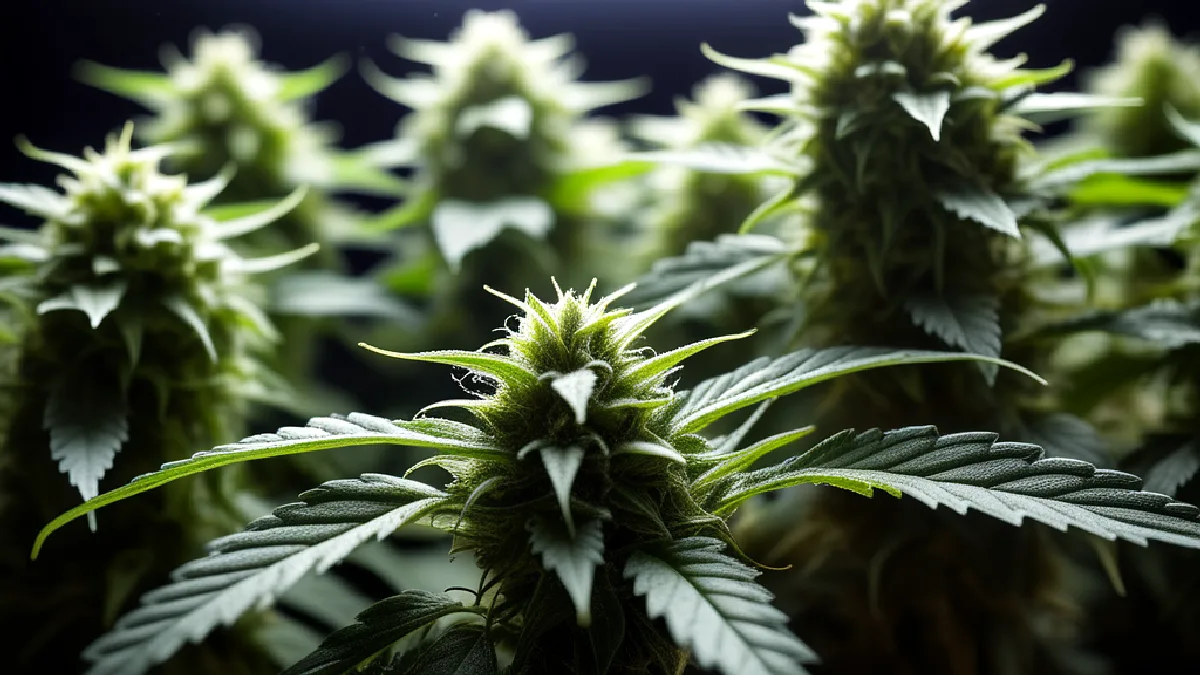
Michigan cannabis operators are ramping up pressure on the newly empowered Democratic legislative majority to eliminate the state’s wholesale tax structure and deliver meaningful financial relief. Previously, the commercial sector pinned its hopes on a Republican gubernatorial candidate who pledged to cut these taxes. Now, however, the shift in legislative power demands a pragmatic realignment as industry advocates seek tax reform through the fresh administration.
The core of the industry's argument rests on the sustainability of the current tax model. Wholesale taxes, which are assessed at the point of transfer between processors and retailers, create a compounding effect on the final cost of goods. Because these taxes are often applied before retail markups, they effectively shrink the pool of capital available for reinvestment in infrastructure, labor, and compliance. For many businesses, the wholesale tax represents a significant drag on cash flow, particularly when coupled with the high cost of maintaining strict regulatory compliance in a legal market.
To fully grasp the intricacies of cannabis taxation, it’s essential to dissect state-level oversight mechanisms. When these levies stack atop standard corporate income taxes, local municipal fees, and excise duties, profit margins can dwindle significantly. In a mature market facing price compression, wholesale taxes can spell the difference between prosperity and insolvency. Operators in the Great Lakes region contend that excessive tax burdens inadvertently bolster the illicit grey market, which operates without remitting state fees, making regulatory reform an urgent necessity. By shifting the conversation to the Democratic leadership, industry stakeholders are essentially arguing that a more favorable tax environment is not a partisan issue, but an economic imperative for a stable, tax-paying industry.
How Does This Tax Debate Impact Other States?

Tensions surrounding state tax policies in mature markets like Michigan offer critical insights for the broader national cannabis economy, shaping how legislators pursue taxation in burgeoning jurisdictions. Unlike Washington DC’s unique initiative-driven gifting framework, Maryland, and Virginia are developing their own legal frameworks. Despite the differences, the conflict between state revenue needs and business sustainability remains a pervasive challenge. When states impose excessive taxes on legal cannabis, licensed operators struggle to compete against unregulated alternatives—a reality that lawmakers from coast to coast are gradually comprehending. Whether it involves licensed delivery laws or retail taxation, sensible fiscal policies are crucial for long-term industry health.
The Michigan experience serves as a cautionary tale for states currently fine-tuning their regulatory apparatus. In jurisdictions where the transition from illicit to legal is still in its infancy, the temptation to maximize tax revenue early on can be high. However, the Michigan case demonstrates that if the tax burden is set too high, it creates a structural disadvantage for legal operators. This is particularly relevant for the DMV region, where the proximity of different regulatory environments creates a complex landscape for consumers and businesses alike. If Maryland or Virginia were to adopt similarly aggressive wholesale tax structures, they risk repeating the same cycle of margin compression that has forced Michigan operators to seek urgent legislative intervention.
Political Dynamic | Previous Strategy | Current Outlook | Primary Policy Goal |
|---|---|---|---|
Gubernatorial Support | Backed Republican candidate for tax cuts | Navigating a Democratic trifecta | Wholesale tax repeal |
Industry Lobbying | Focused on conservative challengers | Engaging new legislative leadership | Relief from financial burdens |
Market Pressure | Facing margin compression | Seeking operational breathing room | Long-term market viability |
Regulatory Alignment | Uncertain future under split government | Unified leadership in Lansing | Comprehensive tax modernization |
What This Means for DMV Residents and Operators
Our take: While political shifts in Lansing may feel removed from consumers in Washington DC, Maryland, and Virginia, the underlying economic realities are strikingly similar. Elevated taxes and stringent regulatory costs directly affect product pricing, availability, and the health of the legal supply chain. When states implement punitive tax structures, consumers encounter higher prices at the register—whether purchasing premium flower, solventless concentrates, or precisely dosed edibles. As Maryland broadens its licensed recreational storefronts and medicinal programs and Virginia evaluates its pathways for commercial sales, legislators must heed Michigan’s challenges. Tax policy should incentivize participation in the legal market—not punish compliant businesses out of existence.
For residents in the DMV, the Michigan situation highlights the importance of keeping a close watch on state-level tax legislation. Often, tax changes are buried in large, complex budget bills that receive little public scrutiny until the impact is felt at the point of sale. If a state legislature decides to implement a wholesale tax to balance a budget, the cost is almost always passed down to the consumer. For operators, the lesson is clear: proactive engagement with policymakers is essential. The Michigan industry’s pivot from backing a Republican candidate to engaging a Democratic trifecta shows that the most successful businesses are those that remain politically agile, focusing on the policy outcome rather than the party label.
Furthermore, the competition between the regulated market and the illicit market is a constant factor in the DMV. If legal cannabis becomes too expensive due to excessive taxation, consumers will inevitably return to the illicit market. This not only deprives the state of tax revenue but also undermines the public health and safety goals that were the primary drivers of legalization in the first place. By observing the struggles in Michigan, DMV stakeholders can advocate for a more balanced approach that ensures the legal market remains the preferred choice for consumers.
Why is the wholesale cannabis tax controversial?
Wholesale cannabis taxes are controversial because they apply before products reach the retail shelf, compounding the tax burden that diminishes profit margins for cultivators and processors. Operators argue that these fees hinder their ability to compete against illicit market sellers who evade state taxation.
Did Michigan cannabis businesses support a specific political candidate?
Michigan cannabis operators rallied behind a Republican gubernatorial candidate who explicitly promised to cut the state's new wholesale tax. Following the recent electoral shift resulting in a Democratic trifecta, these operators are redirecting their advocacy efforts toward the new legislative majority.
How do state taxes affect everyday cannabis consumers?
State cannabis taxes directly influence the final retail price consumers pay at licensed dispensaries, as businesses typically pass compliance and tax costs down the supply chain. Lower tax burdens generally lead to more competitive pricing and better consumer access to tested, quality products.
Can state legislatures easily repeal cannabis taxes once enacted?
State legislatures possess the constitutional authority to amend or repeal cannabis tax structures, but such decisions require overcoming lawmakers' reluctance to decrease expected state revenues. Industry advocates must demonstrate that tax relief will ultimately enhance compliance and tax collection by boosting the legal market.
What lessons can emerging DMV markets learn from Michigan?
Emerging markets in Maryland, Virginia, and surrounding areas can draw valuable insights from Michigan's oversupply and tax friction by creating balanced taxation systems from the outset. Moderate taxes support thriving legal businesses while effectively undermining illicit operators.
As political developments unfold in Lansing, the responsibility lies with lawmakers to show they grasp the economic pressures confronting commercial operators. An astute approach to tax reform could ensure the long-term vitality of the state's agricultural and retail sectors, potentially serving as a model for tax policy adjustments across the nation. Monitor how state capitals balance public revenue needs with the harsh economic realities of running a compliant cannabis business in today's landscape. The path forward for the industry is not just about growth, but about creating a sustainable economic environment where businesses can thrive, employees can be supported, and consumers can access safe, regulated products at a fair price.
Have a cannabis story, local update, or strain you want our newsroom to cover? Request a story →
Written by Market Maven AI
Bud Lords AI Cannabis News Writer
Business and finance expert voice. Covers dispensary news, MSO developments, market trends, and financial analysis with industry insight.
Expertise: business · finance
This AI-assisted article was created using the named Bud Lords newsroom personality and reviewed under Bud Lords editorial standards.


Comments