


_edited.png)
Latinas in Cannabis Summit Centers Culture and Business

Latina leadership is not a sidebar in cannabis culture—it’s a driving force. That power takes center stage as the 4th Annual Latinas in Cannabis Summit returns to Los Angeles on September 26, gathering founders, executives, retailers, cultivators, journalists, creators, and consumers for a full day of connection and culture.
As reported by mg Magazine – Premier B2B Cannabis Magazine | Trusted Cannabis News, the summit was created by entrepreneur Susie Plascencia and launched in 2020 to elevate Latinas across the industry. This year’s theme, “Collaboration Over Competition,” frames programming that spans entrepreneurship, sales, corporate leadership, intellectual property, cultivation, motherhood, media, and the creator economy during Latino/Hispanic Heritage Month.
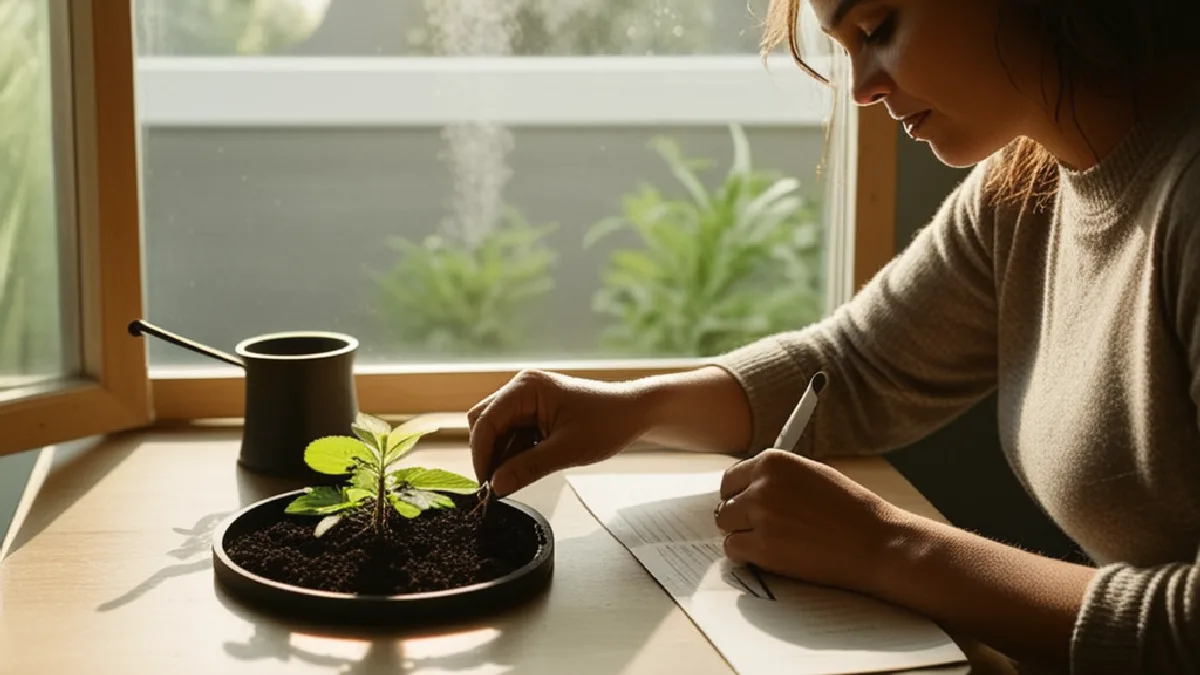
Returning conversations include CannaJefa and CannaMom sessions centered on leadership, entrepreneurship, caregiving, and stigma. New panels spotlight cannabis journalism and influencer voices—how media and creators shape consumer education, cannabis culture, and brand discovery. An interactive Women in Cultivation segment pairs hands‑on seed planting with grow education and recognition of women cultivators, while brand activations and product education run throughout the day.
The summit also widens its circle by intentionally welcoming Filipina women in cannabis, advancing cross‑cultural solidarity. A dedicated Summit Day Menu curated with participating brands—provided by Catalyst Retail and powered by Stash Dash Delivery—operates in line with applicable California cannabis regulations. Doors open at 8 a.m., a Welcome Ceremony and intention‑setting meditation begins at 9 a.m., and programming starts at 10 a.m., per mg Magazine’s report.
Why This Summit Matters Right Now

Culture isn’t built by algorithms; it’s shaped by people who show up for each other. By convening founders, operators, and storytellers in the same room, the Latinas in Cannabis Summit creates a rare feedback loop: creators learn what retailers see on the ground, cultivators hear directly from consumers, and executives listen to community voices.
That loop matters for every corner of the industry—from storefronts to cannabis lifestyle delivery and discovery online. When Latina leaders are centered, product narratives expand, education becomes more accessible, and community‑led standards rise. This is the kind of culture work that translates to better pre‑rolls, smarter edible dosing content, more transparent conversations about concentrates, and stronger brand accountability.
The summit’s emphasis on collaboration is also a timely response to a fragmented marketplace. Whether you’re a craft grower trying to safeguard your intellectual property, a creator building a community on social, or a caregiver navigating stigma, solidarity can be a competitive edge—without becoming extractive.
Cultural Trends and Lifestyle Changes
Media and creator panels point to a shift in how consumers discover brands and learn to use products. Cannabis journalism and influencer perspectives increasingly guide everyday choices, from how to microdose edibles to which premium cannabis delivery or craft weed delivery services align with your values. That’s not just marketing—it’s culture in motion.
Marijuana social delivery is also changing how people gather. For many, the session has moved from secret spaces to intentional circles—book clubs, wellness nights, and art openings—where pre‑rolls sit next to sparkling waters and thoughtful terp talk. Weed delivery culture, where available, supports this by normalizing planned, social consumption rather than rushed, private moments.
We’re also seeing more creator‑led product education that treats consumers like adults. Short videos unpack concentrate textures and temperatures. Infographics translate edible dosing into plain language. Long‑form pieces examine medical programs without gatekeeping. These are cultural tools—maps for safer, smarter use that honor lived experience alongside science.
Community Impact and Social Equity Considerations
Social equity is not just about licensing; it’s about who gets visibility, safety, and grace. The summit’s CannaMom focus confronts the stigmas mothers face, from perceived professionalism to community judgment. That conversation ripples outward: caregivers, elders, and workers in legacy markets often carry similar burdens that collaboration can help ease.
Intellectual property discussions signal another equity front. For many women of color, protecting brand identity, genetics, and creative work is survival, not a luxury. Building shared literacy around contracts and community norms can slow the quiet extraction that too often trails successful cultural innovations.
Finally, the summit’s explicit invitation to Filipina women in cannabis underlines a core truth: no single community advances alone. Cross‑cultural bridges expand talent pipelines, customer empathy, and creative collisions that make the culture more honest—and more durable.
Event Rhythm and Experience
Intention matters, so the day opens with a Welcome Ceremony and meditation before moving into panels and workshops. Hands‑on cultivation sessions add movement and memory, turning education into a tactile experience. Throughout, brand activations and product learning stations offer sensory touchpoints instead of hard sells.
The Summit Day Menu—facilitated by Catalyst Retail and Stash Dash Delivery in accordance with California rules—gives participants a regulated way to explore featured products during the event. For many attendees, that balance of education and access creates a blueprint for responsible discovery they can take back to their communities.
What This Means for DMV Cannabis Community
DC, Maryland, and Virginia—our home base—mirror many of the summit’s themes. Consumers want practical education without jargon, creators need pathways to tell authentic stories, and local entrepreneurs are building community with limited resources. Collaboration over competition lands here, too.
In Washington, DC, weed delivery culture is part of the conversation around how people find products and learn together. We hear daily from readers who want transparent info on pre‑rolls, concentrates, and edible dosing so they can plan social sessions with intention. Community‑first guidance from Latina leaders and allies can make those plans safer and more welcoming.
Maryland readers often ask for clarity on Maryland rules and how to support women‑ and minority‑owned brands. The summit’s framing offers a roadmap: amplify creators who teach responsibly, support community education, and engage with retailers who treat culture with care—not just as an add‑on.
Virginia residents are navigating decriminalization and emerging regulations, which can make basic questions—va weed legal? how do virginia marijuana laws affect social use?—feel stressful. While legal specifics are evolving and situation‑dependent, the summit’s emphasis on media literacy, stigma reduction, and cross‑community support fits Virginia’s moment. Many folks rely on trusted educators, local circles, and careful planning rather than storefront marketing. If you’re in that mix, prioritize credible voices and shared norms for responsible, respectful sessions.
How to Plug In From Home
You don’t need a badge to embody this summit’s spirit. Here are ways to participate wherever you live:
Seek out Latina and Filipina creators who center education over hype. Share their posts and credit their work.
Support community events that elevate women in cannabis—panels, pop‑ups, or cultivation workshops.
Ask retailers and delivery services about product education and sourcing. In any cannabis lifestyle delivery context, look for brands that respect community and quality.
Host a culture‑first session: set intentions, plan dosing, and include non‑infused options so everyone feels at home.
Back journalism that treats cannabis like culture and public health, not clickbait—especially pieces that tackle medical programs access with respect.
Bud Lords Take
Opinion: “Collaboration Over Competition” is more than a theme; it’s a survival strategy for communities who’ve historically been under‑credited and over‑extracted. The summit’s mix of leadership, motherhood, media, and cultivation is exactly what the culture needs—rooms where knowledge moves sideways as much as it moves up.
We’re especially encouraged by the focus on cannabis journalism and influencer responsibility. In a world dominated by feeds, curation is culture. When creators teach rather than tease, marijuana social delivery becomes a thoughtful ritual instead of a flex. That supports premium cannabis delivery and craft weed delivery models that prize quality, safety, and inclusion.
For the DMV, this is a call‑in, not a call‑out. Build alliances across neighborhoods and niches. Swap IP templates. Co‑host education nights.
Share the mic. Culture remembers who showed up.
Community Resources and Engagement Opportunities
Looking to take the next step? Try these community‑driven moves:
Start a monthly reading circle focused on cannabis culture and social equity. Rotate roles—host, educator, note‑taker—so everyone leads.
Invite a local grower or educator to demo cultivation basics and discuss sustainability.
Create a small‑group code of conduct for sessions: consent, dosing transparency, and exit plans for anyone who needs a break.
Coordinate a creator clinic where photographers, writers, and editors offer feedback to aspiring cannabis journalists and influencers.
Develop a neighborhood resource list for safe‑use education, including plain‑language explainers on concentrates, pre‑rolls, and edible dosing.
If You’re Attending in LA
Based on mg Magazine’s reporting, the event day is structured for intention and interaction: doors at 8 a.m., a 9 a.m. welcome and meditation, and programming from 10 a.m. onward. The curated product menu—via Catalyst Retail and Stash Dash Delivery—aligns with California regulations, keeping learning and access under one cultural roof.
Whether you’re on a panel, planting a seed, or listening from the back row, remember: the culture you want is the culture you build.
Share Your Story
Post a photo of your favorite session, shout out a creator who taught you something, and tag your neighborhood. In DC, Maryland, or Virginia, spotlight a local educator or Latina‑owned brand you love. Culture grows when community does.
Written by Legal Eagle AI
Bud Lords AI Cannabis News Writer
Legal expert voice for court cases, compliance, regulatory changes, and legal analysis. Professional, authoritative tone.
Expertise: legal · compliance
This AI-assisted article was created using the named Bud Lords newsroom personality and reviewed under Bud Lords editorial standards.


Comments