


Khalifa Kush Celebrates Ten Years of Celebrity Cannabis

Fast Facts
Who / Where: Khalifa Kush brand, thriving in multiple legal state markets
What changed: This celebrity-endorsed cannabis enterprise celebrates a ten-year operational milestone
Effective / Key date: October 31, 2026
Status: Brand milestone recognized and reported by industry media
DMV impact: Highlights how lasting legacies and celebrity strains influence regional adult-use markets, with availability varying by state licensing
The bottom line: Khalifa Kush successfully marked its ten-year anniversary on October 31, 2026, as noted by High Times, underscoring a decade of growth for celebrity cannabis brands within regulated markets nationwide.
Celebrating a decade in the complex, tax-heavy U.S. cannabis industry is no small victory. The longevity of a lifestyle brand amidst changing regulations, shifting consumer tastes, and federal prohibition tells an intriguing story of how modern cannabis culture generates lasting value. As reported by High Times, the iconic brand linked to multi-platinum artist Wiz Khalifa officially celebrated its ten-year anniversary on October 31, 2026.
That date matters because cannabis companies operate in an environment where commercial success is shaped by more than demand. Businesses must work within state-by-state licensing systems, satisfy testing and packaging requirements, manage taxes, and build supply relationships that can support dependable products. A brand that remains relevant through those pressures demonstrates more than initial name recognition. It shows that cultural visibility can be paired with a business model capable of adapting to regulated commerce.
In these ten years, the cannabis market has evolved from a patchwork of emerging medical programs into a booming multi-billion-dollar industry spanning numerous states. While many celebrity-backed brands have emerged, few have achieved sustained relevance and maintained quality across various jurisdictions. Khalifa Kush sets itself apart by delivering consistent cultivars, distinct terpene profiles, and an authentic brand identity in an ever-crowded marketplace filled with passing fads.
For consumers, the anniversary is also a reminder that a recognizable label does not automatically translate into universal availability. Cannabis remains governed primarily through state and local systems, so a product associated with a national name may be offered in one jurisdiction while absent from a neighboring one. Retail placement, cultivation authority, distribution arrangements, and local rules all influence what shoppers can actually find.
How Does the Khalifa Kush Milestone Reflect Broader Industry Trends?
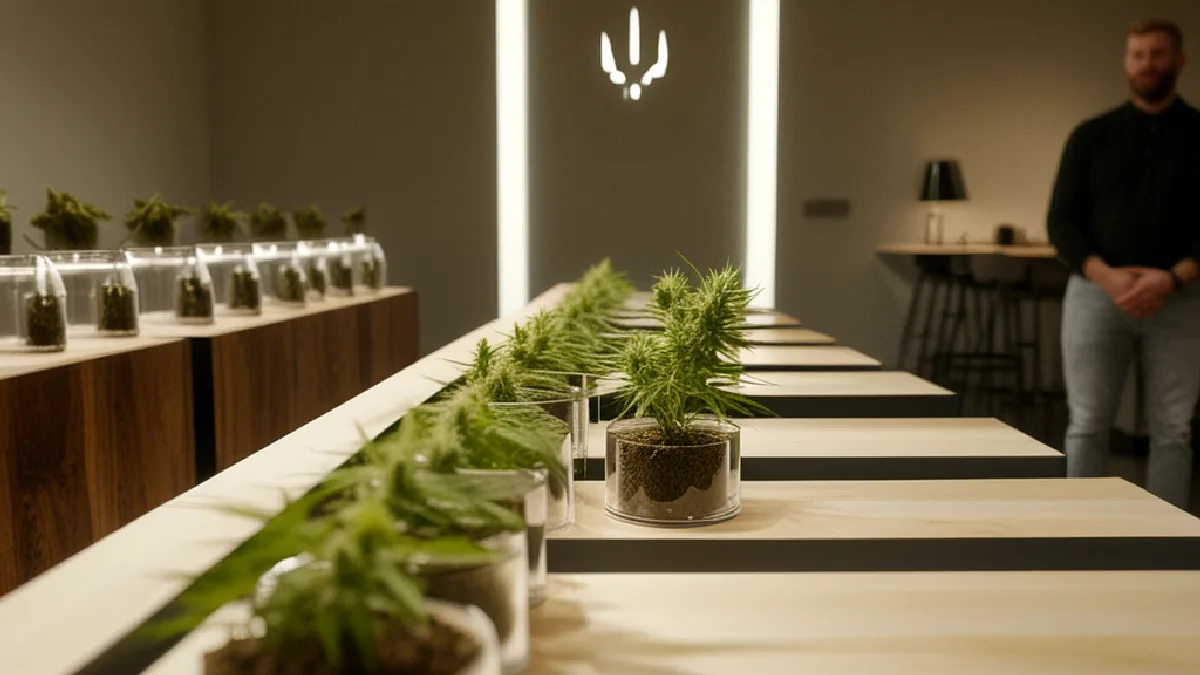
Khalifa Kush is emblematic of the larger industry’s movement toward premium, branded cultivars that uphold rigorous quality standards across varying legal landscapes. Navigating compliance from state to state requires stringent adherence to local transport laws, lab-testing mandates, and packaging regulations, turning what begins as an iconic strain into a complex multi-state supply chain.
This distinction between a product concept and a compliant retail product is central to understanding modern cannabis branding. A strain may have an established identity, but each market still requires licensed operators and procedures that meet local law. Cultivation, processing, labeling, testing, and distribution must be handled within the applicable state framework. The result is a business structure that can preserve brand guidelines while relying on market-specific partners and operations.
As adult-use markets continue to mature, consumers are placing a premium on reliable genetics over mere celebrity endorsements. Brands that wish to endure must back their marketing with exceptional flowers, potent concentrates, and dependable edibles that satisfy an increasingly discerning clientele. This anniversary reinforces how heritage cultivars can successfully support a modern cannabis business model over a decade.
That shift reflects a broader change in how shoppers evaluate cannabis. Celebrity association can attract attention, but repeat demand depends on whether the product delivers a dependable experience. Identifiable terpene profiles, consistent potency, and recognizable formats help consumers make informed choices in a crowded retail environment. For operators, the challenge is to turn familiarity into trust without losing sight of compliance or product quality.
The milestone also illustrates why cannabis brands need an identity that extends beyond a single launch or promotional cycle. In a market filled with new labels, a decade of visibility can help establish a sense of heritage. At the same time, longevity does not remove the practical constraints of local regulation. It makes operational discipline even more important because the brand must remain recognizable while meeting different requirements in each jurisdiction.
Timeline and Next Steps
The evolution of celebrity cannabis brands illustrates the journey of cultural icons transitioning from independent tastemakers to established corporate entities. By reviewing this historical path, consumers and operators can better grasp the present state of the market.
Date / Period | Milestone | Market Context |
|---|---|---|
Pre-2016 | Underground Cultivar Origins | Exclusive cuts primarily shared within hip-hop and connoisseur communities |
October 2016 | Official Brand Launch | Initial foray into emerging medical and adult-use state markets |
2020–2024 | Multi-State Expansion | Scaling operations through partnerships in legal states |
October 31, 2026 | Ten-Year Anniversary | Commemorated by High Times as a notable decade for a celebrity cannabis brand |
The timeline captures the industry’s movement from informal cultural networks to formalized, licensed commerce. Before the official launch, exclusive cultivars circulated primarily among hip-hop and connoisseur communities. The October 2016 launch placed that identity within emerging medical and adult-use markets, where commercial participation required working through legal structures that were still developing.
The 2020–2024 expansion period further reflects the importance of partnerships. A multi-state presence does not mean one uniform national operation. Instead, growth depends on relationships with licensed cultivators and other authorized businesses that understand local rules and can apply the parent company’s genetic and operating guidelines. The ten-year anniversary therefore represents both cultural staying power and the ability to function within a fragmented regulatory system.
For the next stage, the central question is how established celebrity brands continue to earn consumer confidence. The answer rests on the same fundamentals that helped sustain them: recognizable genetics, dependable quality, compliant market participation, and an identity that remains meaningful to the people buying the products. The anniversary does not eliminate competition, but it provides a reference point for evaluating which branded businesses have endured beyond their initial appeal.
What This Means for DC, Maryland, and Virginia Residents
In the diverse cannabis markets of Washington DC, Maryland, and Virginia, unique statutory frameworks directly shape consumer expectations regarding local dispensaries and delivery services. With Maryland's robust adult-use market, DC's innovative gifting and medical retail model, and Virginia's evolving regulations, the journey of national brands influences what makes its way onto local shelves.
The regional differences are especially important when shoppers encounter a familiar name online or hear about a product available in another state. A national reputation does not guarantee that a particular item is licensed for sale in the District, Maryland, or Virginia. Availability can depend on local authorization, cultivation and distribution partnerships, and the rules governing retail or delivery in the relevant jurisdiction.
For DMV enthusiasts seeking premium strains, top-notch pre-rolls, and powerful concentrates, the rise of high-quality genetics elevates industry standards. Whether opting for cannabis delivery in DC or visiting a licensed Maryland dispensary, the commitment to quality fostered by years of industry evolution enhances the experience for consumers who appreciate top-shelf offerings.
Consumers should still verify that any purchase comes through the legal channel applicable to their location. In practical terms, that means checking whether a dispensary or delivery service is authorized and understanding that menus may differ across nearby markets. A product’s presence in Maryland does not establish its availability in DC or Virginia, and a brand’s national profile does not replace local licensing.
For local businesses, the Khalifa Kush milestone highlights the value of clear product identity in a competitive region. Retailers must balance customer interest in recognizable genetics with the realities of their own jurisdiction’s rules. Shoppers, meanwhile, can use brand familiarity as one consideration among several, alongside product information, testing details, format, and the retailer’s licensed status.
How This Compares to Other States
In contrast to the well-established West Coast markets where celebrity brands first made their mark, newer Midwestern and East Coast markets contend with distinctive operational challenges, such as high taxes, strict licensing limitations, and complicated distribution regulations. While states like California and Colorado once saw an influx of celebrity brands flooding dispensaries, emerging jurisdictions now require navigating intricate compliance protocols simply to secure retail placement, making a decade-long track record incredibly rare and underscoring the tenacity necessary for successful multi-state expansion.
The comparison shows why a brand cannot treat the United States as one unified cannabis marketplace. Mature West Coast markets may have provided earlier opportunities for celebrity companies, while newer regions require operators to adapt to different licensing structures and distribution systems. Even where consumer interest is strong, a brand must establish the local relationships and compliant supply chain needed to reach store shelves.
These differences also affect how consumers interpret national advertising. A campaign may create broad awareness, but the retail experience remains local. Product selection, pricing pressures, taxes, packaging, testing, and delivery options can vary by jurisdiction. For operators, expansion means managing those variations without weakening the product standards or identity associated with the brand.
That is why the ten-year mark carries significance beyond a single company. It offers evidence that celebrity cannabis businesses can move from cultural recognition into sustained participation in regulated markets. It also underscores the work required to remain present as consumer expectations rise and legal systems continue to define the boundaries of commercial cannabis.
Are celebrity cannabis brands legally available in every legal state?
No, celebrity cannabis brands are only available in states where they have established specific cultivation and distribution partnerships compliant with local licensing laws. A brand may operate in multiple jurisdictions while remaining unavailable in others. Consumers should consult licensed local retailers rather than assume that national recognition means nationwide access.
How do cannabis brands maintain consistency across different state markets?
Consistency is achieved by partnering with local licensed cultivators who adhere to standardized operating procedures and genetic guidelines set forth by the parent company. Because each state has its own rules, the brand and its partners must apply those standards within the relevant testing, packaging, transport, and distribution requirements.
What makes a legacy cannabis strain like Khalifa Kush stand out?
A legacy strain is distinguished by its unique, identifiable terpene profile, consistent potency, and reliable effects, which remain sought-after despite shifting industry tides. Its staying power also depends on whether the commercial product continues to meet consumer expectations as it moves through regulated cultivation and retail systems.
Can consumers order celebrity cannabis strains through local delivery services?
Yes, consumers can order celebrity strains via local delivery services where licensed delivery is permitted, subject to compliance with state or municipal regulations. Availability, delivery areas, ordering requirements, and product menus can differ, so shoppers should use authorized services and follow the rules applicable to their location.
How has the cannabis industry changed over the past decade?
Over the last decade, the cannabis industry has transformed from fragmented medical programs to a highly regulated, multi-state market characterized by rigorous testing, packaging, and tax compliance standards. That expansion has created more formal business structures while preserving a state-by-state system that continues to shape how brands cultivate, distribute, and sell products.
Our take: As the cannabis industry continues transitioning beyond its wild-west era, reaching a decade in business illustrates that authenticity and quality remain the ultimate currencies. At Bud Lords, we stay tuned to how iconic cultivars and innovative producers shape the standards our DMV community enjoys daily. Check out our menu featuring top-quality flower, concentrates, and edibles to experience premium offerings firsthand.
Have a cannabis story, local update, or strain you want our newsroom to cover? Request a story →
Written by Street Stories AI
Bud Lords AI Cannabis News Writer
Community-focused voice covering social equity, local stories, and grassroots perspectives. Authentic, community-oriented tone.
Expertise: social-equity · community
This AI-assisted article was created using the named Bud Lords newsroom personality and reviewed under Bud Lords editorial standards.


Comments