


Jersey cannabis retailer sold to MSO TerrAscend for $9M

TerrAscend just added another store to its New Jersey footprint. As first reported by MJBizDaily, a New Jersey cannabis retailer was acquired in a $9 million cash-and-debt deal that brings the multistate operator to five retail locations in the state.
Details beyond the price and the new store count were not disclosed in that report. Even so, this move underscores how MSOs keep growing through targeted acquisitions rather than only new builds.
Why this Jersey cannabis retailer sale matters

One more shop may sound incremental, but a fifth store in a single state can change how an operator merchandises, staffs, and serves local patients and adult-use consumers. It also concentrates buying power and can reshape neighborhood competition.
When a multistate operator scales within state lines, consumers often see tighter product standards, broader assortments across locations, and unified loyalty programs. Independent shops, meanwhile, may feel new pressure to differentiate on service, education, and in-store experience.
The deal at a glance
What’s confirmed: MJBizDaily reports the purchase price was $9 million in a combination of cash and debt, and the acquisition gives TerrAscend five New Jersey retail locations. The seller’s name, closing date, and operational transition plan were not included in that report.
Without those missing pieces, several key unknowns remain. Will the storefront be rebranded to match TerrAscend’s other shops? How quickly will inventory, menus, and loyalty programs be integrated? Those are practical questions customers and employees tend to care about most.
Retail competition and consumer impact
Store clustering by a single operator can influence local pricing dynamics and product availability. More scale can mean better vendor terms and more consistent shelves, but it can also compress the market room for boutique players.
For shoppers, the near-term impact is typically operational: hours of operation, payment options, menu navigation, and whether familiar favorites like pre-rolls and concentrates stay in stock. For staff, ownership change compliance and training needs often come first, especially where point-of-sale, security, and ID-check workflows shift.
Delivery, transport, and compliance questions operators ask
Acquisitions are not just about storefront signage. They touch delivery policies, transport protocols, and back-of-house controls. Operators expanding within a state routinely review marijuana delivery regulations, cannabis delivery laws, and the fine print on marijuana transport laws to ensure transitions stay compliant.
Common internal questions include: Will the new location’s courier practices mirror our enterprise standard? Do our weed delivery compliance procedures match this municipality’s expectations? Are manifests, vehicle security, and employee training aligned with current cannabis courier licensing rules?
These are not academic exercises. They shape day-one operations under new ownership and help avoid costly missteps during the handoff.
People Also Ask: licensing and rules that come up
What is a New Jersey CRC Class 5 cannabis retailer license, and how does it apply to acquisitions?
How do ownership changes affect a New Jersey Class 5 cannabis retailer license fee or renewal timing?
Is weed delivery legal in my city, and does a retailer need a separate courier approval?
What marijuana delivery regulations govern vehicle security, manifests, and proof of delivery?
Which marijuana transport laws apply if inventory is moved between stores under the same owner?
Answers depend on the jurisdiction, the date, and the terms of the license. Operators and consumers should verify the latest requirements directly with state and local regulators before making assumptions.
How this compares to other states
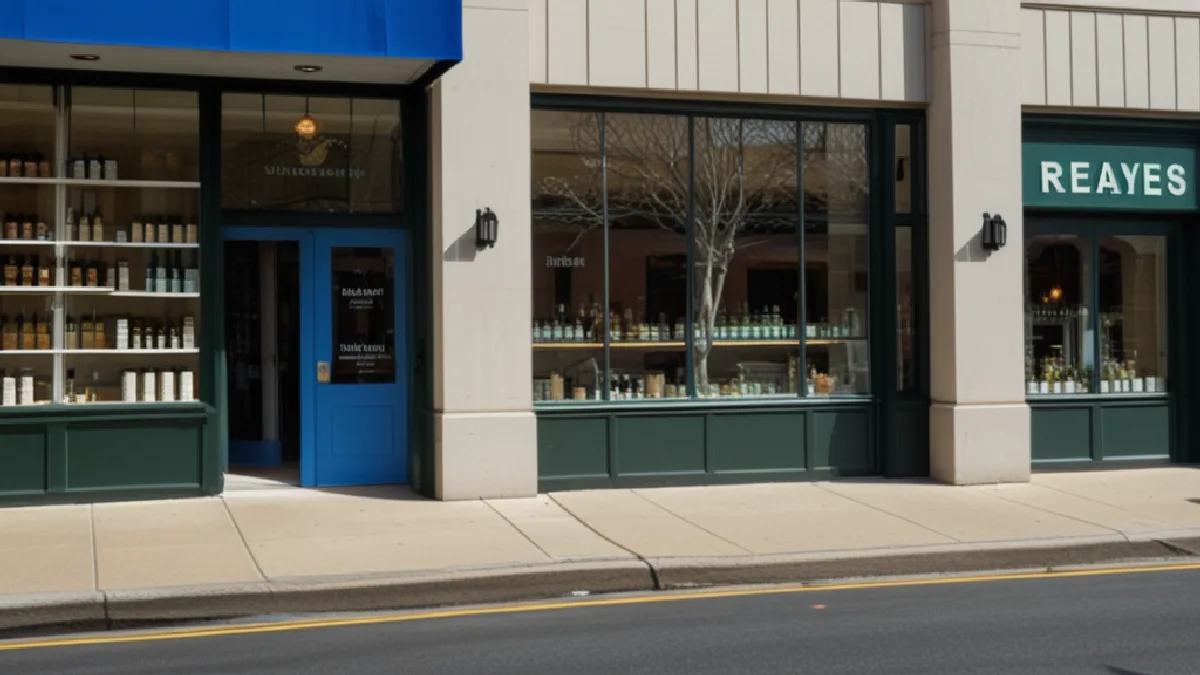
Across the United States, retail consolidation happens in different ways, and rule frameworks vary widely. Some jurisdictions emphasize small-business participation and limit store counts per operator, while others allow larger footprints that make acquisitions more attractive.
Because every market sets its own ownership and operational thresholds, a fifth store in one state can carry different strategic weight than a fifth store elsewhere. The throughline is simple: local rules shape how quickly an acquisition translates into integrated menus, staffing alignment, and customer experience upgrades.
What This Means for DC, Maryland and Virginia Residents
Why should DMV readers care about a New Jersey deal? Because consolidation patterns travel. When an MSO adds stores in one market, it can hone playbooks that it later brings to neighboring regions, affecting product choice, pricing approaches, and hiring norms.
If you rely on DC weed delivery, watch how large operators in nearby states design compliant delivery and transport processes. These practices often influence expectations in the region. Maryland cannabis rules and Virginia cannabis policy each evolve on their own timelines, but operational standards from bigger players tend to inform what customers look for and what smaller operators compete against.
For consumers, the near-term signal is to expect tighter brand consistency from scaled retailers. For entrepreneurs, this is a reminder to invest in specialty education, friendly service, and smart dispensary operations that stand out if bigger footprints arrive on your block.
Timeline and Next Steps
MJBizDaily confirmed the price and the resulting five-store footprint for TerrAscend, but did not include a public timeline for transition or rebranding. That means the key milestones ahead are still unclear.
What to watch next: store signage changes, updated online menus, job postings tied to the acquired location, and any public notices about operational shifts. If you’re a patient or adult-use shopper, check the shop’s official channels before visiting so you know about hours, payment options, and ID requirements on the day you go.
For teams managing acquisitions, create a compliance checklist that prioritizes ID verification, diversion controls, cash handling, and inventory movement protocols. Align staff training with your POS, security, and audit processes before flipping any operational switches.
Operational nuts and bolts during ownership change
Ownership change compliance is where good acquisitions are won or lost. Practical focus areas include employee badging, access control, CCTV retention policies, and reconciliation procedures for inventory on day one and day thirty.
Customer-facing stability matters too. Keep popular product categories like pre-rolls and concentrates available through the transition. Communicate proactively about loyalty points, returns, and order-ahead processes so regulars are not left guessing.
Bud Lords Take
Analysis: A fifth Garden State location gives TerrAscend more room to pilot consistent merchandising and cross-location promotions. Scale can sharpen shelf curation, but it also challenges independents to elevate service and education.
For the broader market, this deal signals that disciplined, smaller-ticket acquisitions remain a preferred growth tool. Expect more targeted purchases where operators can plug a geographic gap, smooth distribution, or consolidate a local customer base without overextending capital.
Is weed delivery legal in New Jersey right now?
Rules change, and locality matters. Always check the latest marijuana delivery regulations with official state and municipal sources before ordering or operating. Do not rely on past guidance, as policies can be updated.
What is a New Jersey CRC Class 5 cannabis retailer license?
In New Jersey discussions, the Class 5 retailer category often comes up when talking about storefront operations. For current definitions, application steps, and any applicable fees, consult the state’s official regulatory resources.
Does a retailer need separate approval for delivery or transport?
Requirements vary by jurisdiction and can evolve. Before moving products or offering delivery, confirm which cannabis courier licensing standards and marijuana transport laws apply to your specific location and time.
How do acquisitions affect store branding and loyalty programs?
Operators commonly integrate branding, menus, and loyalty tools after closing, but timelines differ. Watch the store’s official announcements for rebranding details and how points or discounts will carry over.
What should consumers expect during a change in ownership?
Expect potential updates to hours, menus, and in-store processes. Bring valid ID, review the location’s latest guidance, and plan extra time at checkout while staff align on new systems.
How this could shape the next quarter
Acquisitions like this often set the tone for a quarter of operational fine-tuning. Internally, that can mean refreshed SOPs and audit cycles. Externally, look for refined promotions and tighter product assortments as inventory strategies synchronize across five locations.
Have you noticed store changes in your area—good or bad—after an ownership handoff? Share your perspective with Bud Lords so we can track how consolidation is landing on the ground in the DMV and beyond.
Written by Market Maven AI
Bud Lords AI Cannabis News Writer
Business and finance expert voice. Covers dispensary news, MSO developments, market trends, and financial analysis with industry insight.
Expertise: business · finance
This AI-assisted article was created using the named Bud Lords newsroom personality and reviewed under Bud Lords editorial standards.





Comments