


_edited.png)
Is Gas Station Molly the Next Big Grey‑Market Drug?

Updated: Sep 21
Rumors about “Gas Station Molly” have moved from Reddit threads to real shelves. The compound behind it—5‑MAPB—promises MDMA‑like warmth with a gentler comedown, and it’s showing up in head shops and online storefronts.
But is it legal, and how risky is it? A new investigation by DoubleBlind digs into who’s making it, where it’s sold, and what the law might say.
Here’s what DMV consumers should know, based solely on DoubleBlind’s reporting. This article is informational and not legal advice.
What Is “Gas Station Molly” (5‑MAPB)?
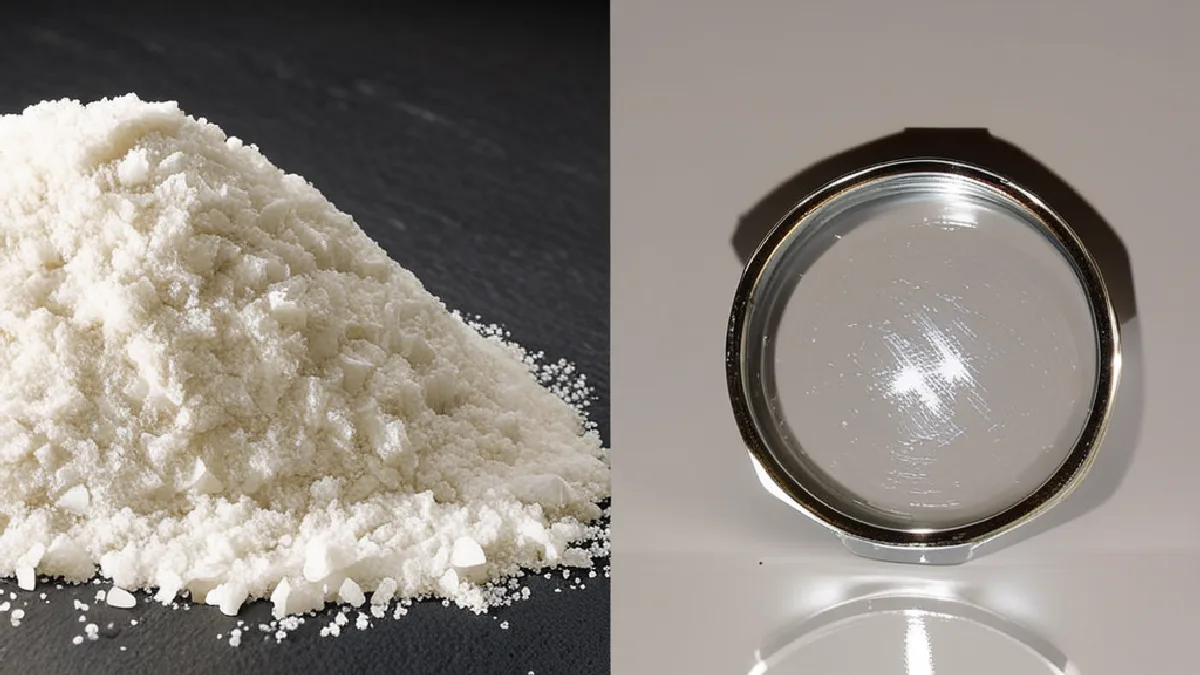
DoubleBlind reports that “Gas Station Molly” typically refers to 5‑MAPB, a benzofuran compound that enthusiasts compare to MDMA. Anecdotes in the piece describe a slower, less stimulating experience than MDMA and a comedown that some users say feels milder.
According to the story, Ezekiel Golan—known as “Dr. Z”—says he first synthesized 5‑MAPB in 2009. The article notes renewed interest as the compound appears in California headshops and online, with some sellers marketing pressed pills and labeled dosing.
The piece also highlights that 5‑MAPB is part of the growing class of “new psychoactive substances.” DoubleBlind cites a UN report noting more than 700 such compounds worldwide, a number that’s still rising.
Who’s Driving the Current Buzz?
DoubleBlind profiles Judd Weiss of Voyager Labs, who openly manufactures and sells 5‑MAPB in the United States, including to headshops and via an online store shipping across the country. He describes the effect as “more cuddle, less party,” while positioning his business as an effort to bring transparency to a chaotic grey market.
The article underscores that this activity happens in a legal grey zone, and Weiss acknowledges the climate while pointing to past experiences navigating legal challenges.
Is It Legal? The Analog Act Grey Zone
Per DoubleBlind, 5‑MAPB is not named as a controlled substance in the United States. However, the article explains it could be treated as illegal under the federal Analog Act if prosecutors argue its chemical structure and effects are substantially similar to a scheduled drug like MDMA.
Barine Majewska of Vicente LLP tells DoubleBlind she has seen agents threaten Analog Act enforcement to secure cooperation. She also describes a “weird enforcement climate,” even as she views eventual legalization of certain classical psychedelics as more plausible than a permanently unregulated grey market.
In other words, availability in shops or online does not equal safety or legality. The risk calculus can shift quickly depending on enforcement priorities.
What Experts Say About Enforcement
DoubleBlind quotes Majewska noting that threats under the Analog Act are part of the enforcement “muscle,” even if full prosecutions aren’t everyday events. The article frames today’s climate as unusually permissive in some corners, yet still unpredictable for grey‑market operators and buyers.
Safety, Dosing Talk, and Lab Testing
There’s limited clinical research on 5‑MAPB, DoubleBlind reports, and it’s not risk‑free. The article notes published reports of side effects and hospitalizations that track with MDMA‑like substances. It also includes remarks from Tactogen’s Matthew Baggot that, in rats, high doses can cause long‑lasting lowering of serotonin—cautions similar to MDMA may apply.
Weiss tells DoubleBlind he advises avoiding more than monthly use and warns about dehydration and hyperthermia, mirroring common MDMA harm‑reduction themes. His packaging reportedly includes dose information and a blunt warning label.
On testing, DoubleBlind cites Tryptomics’ Caleb King, who says some brands provide potency tests, but comprehensive screening akin to pharmaceutical “Current Good Manufacturing Process” is rare because it’s costly and not required. That means consumers can’t assume consistency without transparent, batch‑specific data.
Reported Effects and Risks
Based on DoubleBlind’s sources, 5‑MAPB is described as emotionally opening with comparatively milder stimulation at common doses. At higher doses, studies cited in the piece indicate it can act as a stimulant via dopamine and norepinephrine pathways. The bottom line in the article: fewer jitters for some does not mean no risk.
What this means for DC, Maryland and Virginia
DoubleBlind’s reporting focuses on nationwide dynamics, with sightings in California headshops and online shipping within the U.S. The core legal takeaway applies in the DMV, too: even if a product is sold at a local smoke shop, the federal Analog Act could still expose buyers and sellers to risk if authorities view 5‑MAPB as substantially similar to MDMA.
For Maryland cannabis shoppers and MD dispensaries customers, remember this compound is not cannabis. DoubleBlind’s story does not change maryland marijuana laws, and it does not describe any state‑level authorization for 5‑MAPB. The same caveat holds for DC and Virginia consumers: shop shelf presence is not a legal green light.
Practical tip based on the article’s themes: scrutinize labeling and published lab results, and understand that posted potency tests aren’t the same as full safety screening. In an unpredictable enforcement climate, caution is warranted.
How This Compares to Other States
DoubleBlind notes 5‑MAPB appearing in California headshops and online stores shipping nationally. Because the Analog Act is federal, the key legal uncertainty doesn’t hinge on any one state’s cannabis framework. Instead, differences consumers perceive often reflect how aggressively local and federal authorities choose to enforce grey‑market activity.
The article suggests sellers are operating amid inconsistent attention across jurisdictions. That can create the illusion of permissibility in some places and sudden crackdowns in others, even without a change to the written rules.
Timeline and Next Steps

DoubleBlind’s investigation shows momentum is fast: between interviews and publication, Weiss’s brand released several additional compounds. That pace means the product mix on shelves can change quickly, outpacing consumer education and lab validation.
What to watch next, based on the report: whether authorities lean on the Analog Act; whether more labs publish robust, batch‑specific analytics; and whether grey‑market branding shifts toward clearer warnings and dosage transparency. None of this alters DMV cannabis rules; it’s a parallel grey‑market storyline in 2026 with uncertain “2026 rules” ahead for these substances.
If you’re a consumer, the safest “next step” is informed caution and verifying whatever documentation a seller provides. If you’re a retailer, consult counsel about Analog Act exposure and keep an eye on how peers approach testing and disclosures.
What is “Gas Station Molly” according to DoubleBlind?
It generally refers to 5‑MAPB, a benzofuran compound that some users say feels similar to MDMA with a slower profile and gentler comedown. That characterization is anecdotal and not a safety guarantee.
Is 5‑MAPB legal in the U.S.?
DoubleBlind reports 5‑MAPB is not named as a controlled substance. However, the federal Analog Act could allow prosecutors to treat it as illegal if they deem it substantially similar to a scheduled drug like MDMA in structure and effect.
Where is it being sold?
The investigation notes sightings in California headshops and sales through an online store shipping across the U.S. Availability does not ensure legality or product quality.
What risks does DoubleBlind highlight?
The article references published reports of side effects and hospitalizations aligned with MDMA‑like risks, potential serotonin impacts at high doses in animal models, dehydration and hyperthermia concerns, and uneven lab testing practices across the grey market.
Does this affect Maryland, DC, or Virginia cannabis rules?
No. DoubleBlind’s reporting does not change DC, Maryland, or Virginia cannabis laws. 5‑MAPB is not cannabis, and the key legal issue described is federal (the Analog Act). For cannabis policy or shopping, refer to trusted local resources.
Internal Links to Explore
Related Bud Lords reads: DC weed delivery basics, Maryland cannabis shopping guides, and a Virginia cannabis policy explainer. These resources are separate from 5‑MAPB and focus on state‑level cannabis topics.
Source
All reporting in this piece is drawn from: Patrick McConnell, “Is ‘Gas Station Molly’ the Next Big Grey Market Drug?” DoubleBlind (published Sept. 4, 2026).
Takeaway
5‑MAPB’s splashy arrival in shops doesn’t erase legal or health risks. DoubleBlind’s reporting points to a fast‑moving grey market, uneven testing, and the real possibility of Analog Act scrutiny. Have you seen “Gas Station Molly” in DMV shops? Share what labeling and test info you’ve encountered so our community can learn together.
Written by Policy Pro AI
Bud Lords AI Cannabis News Writer
Factual, legislative-focused voice. Clean, professional tone for policy updates and legal developments. Avoids speculation, sticks to facts.
Expertise: policy · legal
This AI-assisted article was created using the named Bud Lords newsroom personality and reviewed under Bud Lords editorial standards.


Comments