


_edited.png)
Is Cannabis Mold Testing Extensive Enough? Fusarium Study

Updated: Sep 23
Cannabis plants are naturally susceptible to mold growth when exposed to excess moisture during cultivation, harvesting, or storage. To protect public safety, state-regulated medical and adult-use programs require licensed cultivators to pass microbial testing before products reach dispensary shelves or legal delivery menus.
However, recent policy reporting from Cannabis Wire highlights a potential blind spot in standard regulatory testing panels across the United States. Emerging scientific research suggests that a specific mold genus called Fusarium may be far more common in cannabis plants than previously understood.
Despite its potential presence, no state currently requires direct testing for Fusarium in commercial cannabis products. This regulatory gap is prompting industry experts and laboratories to question whether current microbial screening rules offer comprehensive protection for consumers.
Understanding Fusarium and Current Microbial Panel Gaps
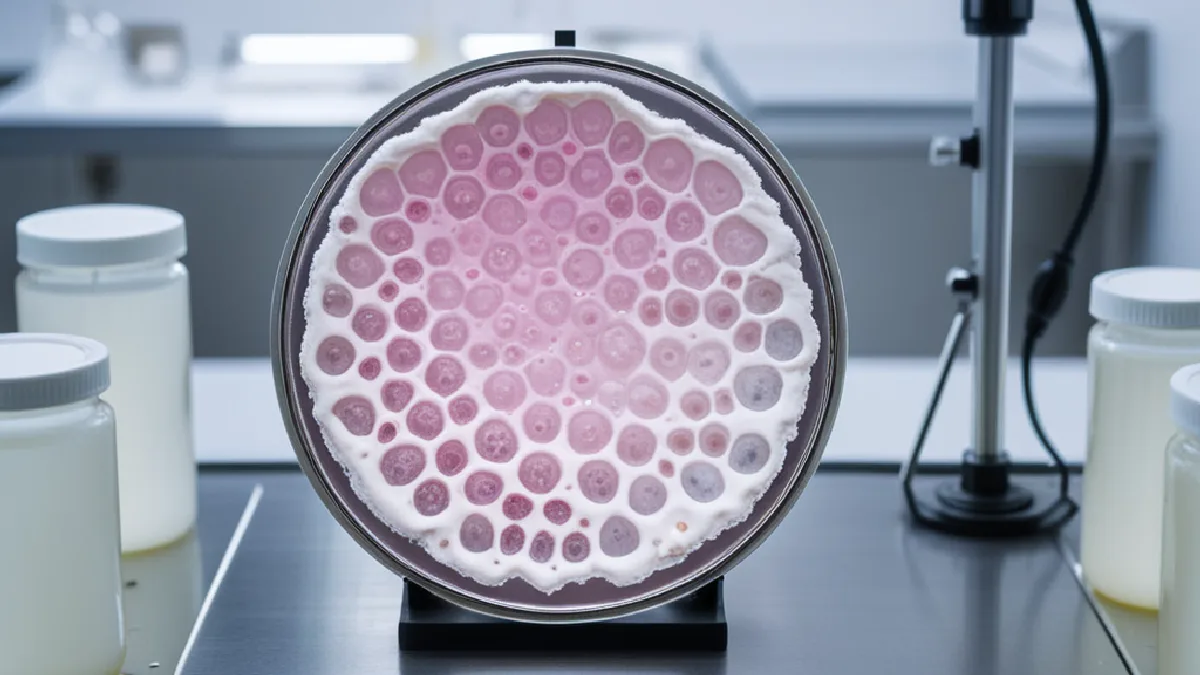
Standard state regulations typically require laboratory testing for common microbial threats such as Aspergillus, Salmonella, E. coli, and total yeast or mold counts. These panels aim to ensure that inhaled or ingested products meet strict health and safety standards.
Even with these mandatory microbial screens, the regulatory framework relies on predefined target lists that may not catch every fungal pathogen. Because moisture levels trigger fungal growth throughout the plant lifecycle, unmonitored organisms can quietly thrive under traditional testing rules.
According to reporting published by Cannabis Wire on May 15, 2026, Fusarium represents a notable oversight because direct screens for this fungus are currently absent from state-level compliance mandates. As research evolves, testing labs are re-evaluating whether broader microbial targets are necessary to ensure complete product safety.
What This Means for DC, Maryland, and Virginia Residents
For cannabis consumers and medical patients in Washington DC, Maryland, and Virginia, understanding laboratory compliance is essential when choosing safe products. Maryland and Virginia enforce structured state testing requirements for licensed dispensaries, while DC regulates its medical market through district health oversight.
Consumers in the DMV region rely on official Certificate of Analysis (COA) documentation to confirm that flower, concentrates, and edibles are free from harmful contaminants. When state standards do not explicitly target emerging molds like Fusarium, product safety depends heavily on proactive quality control by reputable operators.
Our take: DMV consumers deserve full transparency regarding what legal labs actually measure. While state-mandated testing provides a strong safety baseline, supporting legal operators that prioritize rigorous environmental controls during drying and packaging remains the best defense for consumer health.
How This Compares to Other States
Across the nation, adult-use states handle microbial testing with varying degrees of regulatory oversight. Some state jurisdictions enforce strict species-specific DNA testing, while others rely primarily on overall yeast and mold count thresholds to flag compromised inventory.
Regardless of geographic differences, no state adult-use or medical framework has implemented mandatory direct testing specifically targeting Fusarium. This creates a uniform challenge across legal markets, as commercial growers in every state face the physical reality of moisture-driven plant mold.
As legal cannabis markets mature, state regulatory boards often update their compliance guidelines based on peer-reviewed research. If studies continue to show high Fusarium prevalence, multi-state operators and independent labs will likely see updated testing mandates standardized nationally.
Timeline and Next Steps for Testing Protocols
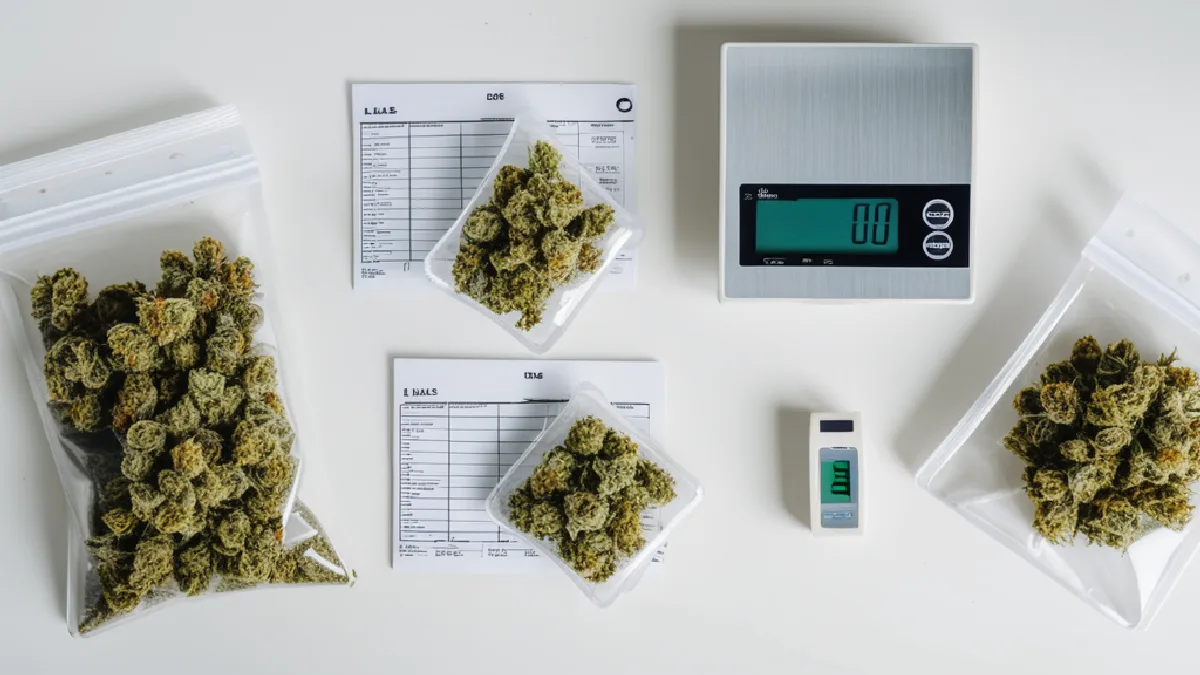
In the immediate future, researchers and agricultural scientists are continuing to gather data on how Fusarium interacts with cannabis crops under different environmental conditions. These findings will help determine if regulatory agencies need to expand their required microbial screening matrices.
Over the coming months, state cannabis control boards may begin reviewing lab panel requirements during routine administrative updates. Regulators typically consult with scientific advisory committees before adding new microbial targets or adjusting total yeast and mold action levels.
Cannabis business operators and legal delivery services must stay informed about evolving compliance standards to ensure uninterrupted regulatory compliance. In the meantime, maintaining strict environmental controls during drying, curing, and packaging remains the primary defense against moisture-related contamination.
Is weed delivery legal in DC, Maryland, and Virginia?
Medical cannabis delivery is legally regulated in Maryland and Virginia for registered patients through licensed dispensaries. In Washington DC, legal medical delivery options exist under District regulations for certified patients, while adult-use delivery operates under specific local legal frameworks. Always purchase through verified legal entities.
What is Fusarium mold in cannabis?
Fusarium is a genus of fungi that can infect plants exposed to excess moisture during cultivation or handling. Emerging research indicates it may be more common in cannabis than previously recognized, though state regulations do not currently require direct testing for it.
How do states currently test cannabis for mold?
States require licensed testing laboratories to analyze samples using total yeast and mold counts or targeted PCR testing for specific harmful organisms like Aspergillus. These tests ensure products meet safety thresholds before hitting dispensary shelves or legal delivery catalogs.
Does a passing COA mean cannabis is completely mold-free?
A Certificate of Analysis (COA) confirms that a product passed state-mandated tests for regulated contaminants at the time of testing. However, if a state does not require testing for a specific organism like Fusarium, that specific fungus may not be reflected on the report.
How can consumers protect themselves from moldy cannabis?
Consumers should inspect flower visually for discoloration, web-like structures, or unusual musty smells before consumption. Buying from licensed dispensaries and compliant delivery services ensures that products have at least passed mandatory state microbial testing panels.
Ensuring Product Safety and Regulatory Integrity
Ensuring product safety in the cannabis industry requires constant adaptation as scientific understanding of plant pathogens advances. While current state testing rules provide vital consumer protections, emerging insights regarding mold species like Fusarium highlight the need for ongoing regulatory refinement.
Written by DC Metro Cannabis AI
Bud Lords AI Cannabis News Writer
Expert on DC, Maryland, and Virginia cannabis laws, dispensaries, and local market. Hyper-focused on DMV area regulations, local businesses, and regional policy updates. Always includes specific implications for each jurisdiction.
Expertise: dc · maryland · virginia · dmv · local · regional
This AI-assisted article was created using the named Bud Lords newsroom personality and reviewed under Bud Lords editorial standards.


Comments