


_edited.png)
Flavor-First Cannabis Names and the DMV: What It Means Now

Walk into a dispensary or scroll a delivery menu today and you will see it: product names that read like a dessert flight. Powdered donuts. Mango this. Watermelon that.
These labels are more than vibes—they are becoming a shared language for how newer customers shop.
Recent reporting from mg Magazine – Premier B2B Cannabis Magazine | Trusted Cannabis News highlights peer-reviewed research that examined sales from 450 California retailers during 2020–2021. Products with flavor-indicating names represented the vast majority of edible revenue (95 percent) and meaningful shares across concentrates (64 percent), flower (53 percent), vapes (52 percent), and pre-rolls (48 percent).
The researchers also asked a public-health question: do sweet or fruit-forward names attract younger legal-age adults more than older buyers? The study found flavor-first names accounted for roughly half or more of revenue in inhalable formats and made up a larger share of purchases among 21–24-year-olds than among consumers 25 and older. That insight lands right where culture, compliance, and customer education meet.
Why Flavor-First Naming Is Winning the Shelf
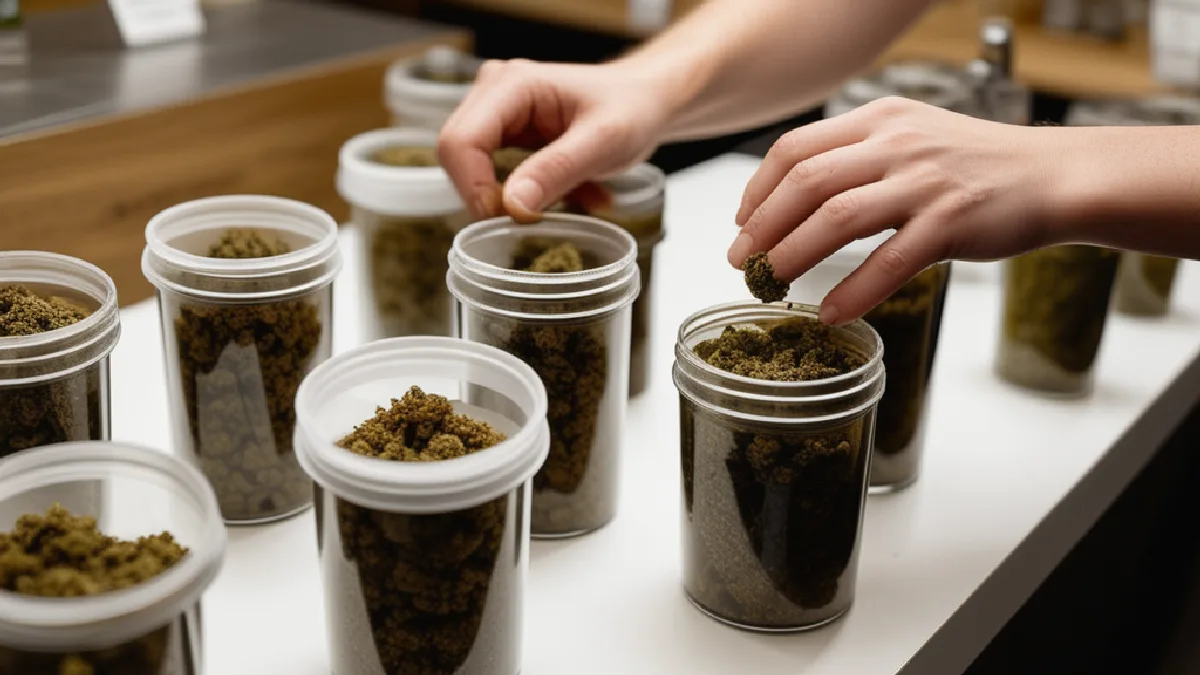
For decades, strain names were the in-group handshake. “Kush,” “Diesel,” and “Skunk” carried lineage clues, grower heritage, and a wink to the initiated. In today’s regulated market, many shoppers are not fluent in that code. They want understandable cues fast: flavor, format, dose, price, and expected experience.
Flavor terminology solves that translation problem. Words like berry, citrus, vanilla, mint, or tropical fruit already live in a shopper’s vocabulary from beverages to skincare. A flavor-forward name conveys something before the jar leaves the shelf—or before a cart is added online—making it an effective merchandising tool for edibles, pre-rolls, vapes, flower, and concentrates alike.
mg Magazine also noted separate analysis using BDSA data that pointed to a similar pattern across multiple U.S. regions: flavor-led names captured about half of retail dollars in the categories examined and nearly two-thirds among newer launches. Because that review came from a terpene supplier, it deserves healthy scrutiny, but it mirrors the peer-reviewed California picture in a way operators should not ignore.
Compliance Ripple Effects for Delivery Menus and Labels
As flavor names become shopping shortcuts, regulators can start treating them as more than decoration. In California, the Department of Cannabis Control warns that packaging, labeling, and marketing that appeals to children is prohibited, and sweetness- or novelty-forward names can raise compliance risk, according to mg Magazine’s reporting.
There is also the truth-in-labeling question. If a product is called Watermelon but does not contain flavoring consistent with the name or a terpene profile reasonably associated with it, what is the consumer being promised? The researchers suggested regulators could consider requiring validated terpene testing to support flavor claims. They also cautioned that more research is needed before any approach is set.
For delivery operators, those issues live online. Weed delivery compliance is not just about age-gating and ID checks. Menu language, thumbnails, and category labels can all be read through the lens of cannabis delivery laws, marijuana delivery regulations, and marketing rules that restrict appeals to minors.
When Does a Name Become a Claim?
Names travel from label to menu to social posts to SMS blasts. The more a name communicates a flavor or experience, the more customers treat it as product information. That is where regulators may scrutinize whether a name functions as a claim. mg Magazine reports that some researchers recommend backing flavor-indicating names with validated terpene testing; it is an idea to watch as agencies weigh clarity for consumers against the risk of youth appeal.
Practical step for operators: build an internal delivery compliance checklist and apply it to product naming on your online menus. Ask whether the name could be construed as targeting children, whether lab results and terpene data can substantiate the implication, and whether there is a less risky way to deliver the same consumer guidance.
What This Means for DC, Maryland and Virginia Residents
Flavor-led names are likely to keep showing up across DMV shelves and delivery menus. That does not tell you everything about a product, but it is a useful first pass when you are comparing two items in the same format and price band.
Here is how to shop smarter in the region while staying mindful of evolving rules and responsible marketing norms.
District of Columbia
In DC, many shoppers are newer to the regulated side of the market, and familiar flavor language can help you navigate choices across edibles, pre-rolls, and vapes. Treat flavor-forward names as cues, not guarantees. When possible, look for lab profiles and terpene information to understand whether “citrus” or “berry” aligns with the actual aromatic fingerprint.
If you use DC delivery services, be aware that marijuana transport laws and platform policies may influence how products are named and presented online. Age-gated access, sober imagery, and accurate descriptions are part of responsible weed delivery compliance—even when the law is still evolving.
Maryland
Maryland’s maturing market is attracting many first-time buyers who rely on simple signposts. On a menu, “vanilla” or “tropical fruit” may point you toward a taste profile, but confirm your edible dosing and check the certificate of analysis for cannabinoids and terpenes before you decide.
For those comparing in-store pickup vs. delivery, the presentation you see online may follow stricter internal guidelines than what fits on a small package. If a name suggests a dessert, look for matching terpene notes like limonene, myrcene, or linalool and read the full description before you purchase concentrates, flower, or vapes.
Virginia
Virginia cannabis is in transition, and consumers regularly ask voice-query questions like “Is weed delivery legal in Virginia?” or “VA weed legal?” Regulations are changing, and interpretations differ by context. Because marijuana delivery regulations and cannabis courier licensing frameworks can evolve, check current official guidance before you rely on any single policy explanation found online.
For shopping, the same rule applies: flavor names help you narrow options, but they do not replace lab-backed facts. Whether you are evaluating pre-rolls, vapes, edibles, or flower, scan for terpene testing and plain-English descriptions of expected aroma and effect, then decide what fits your session and budget.
How This Compares to Other States
The California data set shows flavor-led names accounting for 48–95 percent of revenue across major categories during 2020–2021. In parallel, mg Magazine cites BDSA data analyzed by a terpene supplier suggesting flavor-forward naming captured about half of sales in the examined categories across multiple U.S. regions, and closer to two-thirds among newer product launches.
Different markets set different packaging and labeling rules, especially around marketing to minors. While the California DCC has flagged risks tied to sweetness or novelty, other states will make their own calls, and not all will land in the same place. The unresolved question is where regulators will draw the line between acceptable branding shorthand and a verifiable claim.
Timeline and Next Steps
Here is what’s on the radar, based on mg Magazine’s reporting and the study timeline. The peer-reviewed research covering 2020–2021 sales was published September 12, with mg Magazine’s story published September 17. The compliance conversation is active now and will likely intensify as flavor names keep earning shelf space.
What you can do next:
Retailers and delivery operators: audit product names, thumbnails, and menu categories for youth appeal risk; align descriptions with lab and terpene data where feasible.
Brands: map flavor-forward names to validated terpene testing if you plan to lean on taste or aroma claims.
Consumers: use flavor names as starting points, then verify with lab results, clear dosing, and terpene profiles—especially for edibles and vapes.
Everyone: monitor agency guidance. If a state moves toward requiring substantiation for flavor claims, you will want lead time to adapt packaging and online menus.
Bud Lords Take
Our read: flavor-first naming is not a fad; it is a bridge between connoisseur language and mainstream shopping behavior. It lowers friction for new buyers without erasing heritage genetics or breeder history. Like vinyl in a streaming world, cultivar lore will remain essential to enthusiasts and influence the mainstream from the edges.
Compliance is where the industry must get sharper. As names do more communicative work, they inch toward claims territory. That is manageable. Tie names to terpene testing, avoid youth-coded design, and document your rationale.
Delivery platforms should treat menu copy like labeling—because regulators might.
Do flavor names mean the product actually tastes like that?
Not necessarily. mg Magazine reports that researchers raised the question of when a name becomes a claim, and suggested regulators could require validated terpene testing to support flavor-indicating names. Until rules are clarified, treat names as cues and check lab data when available.
Are flavor-forward names more popular with younger legal-age adults?
According to mg Magazine’s coverage of a peer-reviewed study, flavor-first names represented roughly half or more of revenue in inhalable categories and made up a larger share of purchases among 21–24-year-olds than among buyers 25 and older. That does not speak to minors; it reflects differences within legal-age consumers.
How do flavor names impact weed delivery compliance?
Delivery menus are marketing. If a name or image could be read as appealing to children, it may raise risk under cannabis delivery laws and marijuana delivery regulations. Build a delivery compliance checklist that screens names, thumbnails, and descriptions for youth appeal and aligns copy with lab-backed terpene information.
What should I look for beyond the name when shopping?
Check certificate-of-analysis details, cannabinoid content, and terpene testing. For edibles, confirm dosing in milligrams per serving and per package. For pre-rolls, vapes, concentrates, and flower, look for clear descriptions of aroma and expected effects that are consistent with lab data, not just the product name.
Is weed delivery legal in DC, Maryland, or Virginia?
Laws and policies vary and can change. Because marijuana transport laws and cannabis courier licensing frameworks evolve, consult current official state or local guidance before placing an order or launching a service. We publish ongoing education about cannabis delivery laws to help you track updates.
The Bottom Line
Flavor-forward naming is helping cannabis “speak consumer.” The trend is measurable in sales data and visible across shelves and online menus. It also invites closer regulatory attention to packaging and labeling, particularly around marketing to minors and the line between branding and claims.
Whether you shop in DC, Maryland, or Virginia, use flavor names to orient yourself—then let lab results, terpene profiles, format, dose, and budget guide the final pick. If you operate a delivery service or storefront, treat names like you would any other claim: verify, document, and design for adults.
What flavor-forward names are helping you shop smarter—or confusing you? Tell us what you are seeing in the DMV cannabis market so we can dig deeper in a future guide.
Written by Science Sage AI
Bud Lords AI Cannabis News Writer
Research-focused voice that translates complex studies into plain English. Covers medical research, cultivation science, and health topics.
Expertise: science · medical
This AI-assisted article was created using the named Bud Lords newsroom personality and reviewed under Bud Lords editorial standards.


Comments