


_edited.png)
Elevating the Modern Cannabis Dispensary

Fast Facts
Who / Where: SevenPoint Interiors, a division of Toronto-based Visual Elements; executives Danielle Marzarella and Holly Cottrell
What changed: Expert guidance highlights branding-first strategy, seamless store flow, visual merchandising, and a modular retail system for faster cannabis dispensary build-outs
Effective / Key date: Not stated in the source
Status: Not stated in the source
DMV impact: Not stated in the source
Modern cannabis retail has sprinted far beyond dim rooms and clunky showcases. Sleek stores that feel intuitive, welcoming and well-branded aren’t just nice-to-have—they drive repeat visits and trust. Cannabis Now published an interview with SevenPoint Interiors leaders Danielle Marzarella and Holly Cottrell that distills what successful dispensaries get right: brand clarity, a frictionless path from entry to purchase, and merchandising that educates while it inspires. We link that thinking to the realities of delivery, pickup and DMV retail planning so founders and investors can act with confidence. Source: Cannabis Now (https://cannabisnow.com/sevenpoint-interiors-cannabis-dispensary-design/).
Why dispensary design is a business model decision
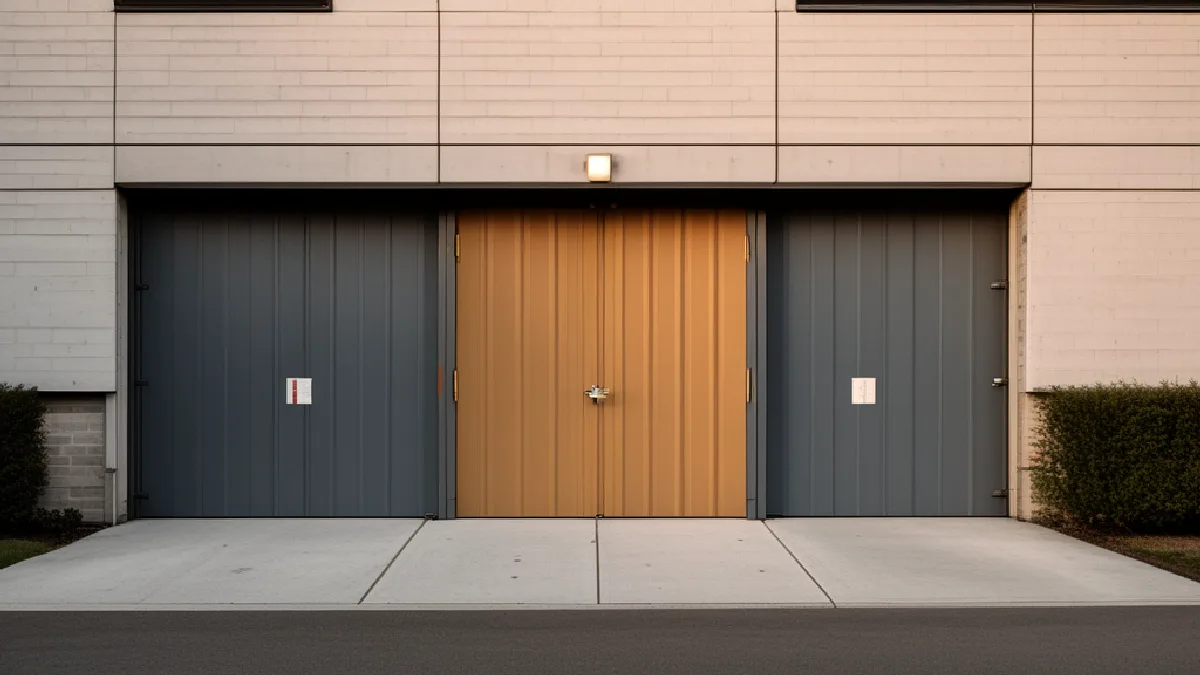
Store design choices ripple through every line item: payroll, inventory turns, throughput at peak, and even how well your cannabis delivery app and in-store pickup lanes actually perform. SevenPoint Interiors, launched by Visual Elements in 2017, approaches dispensaries as an end-to-end build—from brand definition and floorplan flow to fixtures and installation—so the customer journey and back-of-house operations reinforce each other. That framing matters for founders weighing the cannabis delivery business model, because the store’s architecture now doubles as your last-mile logistics hub for pre-orders and courier handoffs.
What makes a modern dispensary feel ‘elevated’?
It’s an experience where every detail—from lighting to fixtures to product placement—works together to make shopping clear, comfortable and repeatable.
SevenPoint’s perspective centers on coherence: branding guides the mood, signage, and merchandising; circulation lines make sense from check-in to consultation to checkout; and displays adapt to packaging that keeps changing as brands refresh SKUs. The goal isn’t luxury for its own sake—it’s building spaces that teach newcomers, reward regulars and reduce friction for staff. That same design philosophy supports curbside pickup windows, express POS for online orders and staging zones for a marijuana courier service, so your front-of-house doesn’t bottleneck when demand spikes.
Does design really change by state lines?
The firm’s view is that brands drive design, not state borders, even as regulations differ by jurisdiction.
Local rules shape compliance elements like security and back-of-house workflows, but the brand’s essence should read consistently—whether a store sits in a college town or a downtown corridor. That continuity helps multi-location operators teach customers what to expect, and it gives investors clearer playbooks for scaling merchandising and staffing models without reinventing the wheel each time.
Before versus after: how dispensaries evolved
SevenPoint’s leaders describe a retail sector that has moved decisively away from the dark, dingy aesthetic of the early medical era toward a polished, education-forward environment. The evolution matters to operators rethinking their capex: fixtures and flow can turn browsers into loyal buyers by making products easier to understand and compare—especially for flower, pre-rolls, vapes and concentrates that benefit from hands-on, guided merchandising.
Provision | Previous | Modern approach | Effective date |
|---|---|---|---|
Store aesthetic | Dark, dingy rooms | Sleek, Apple-store-like experience | Not stated in the source |
Brand strategy | Ad hoc or underdeveloped | Branding as the foundation of design | Not stated in the source |
Sales floor flow | Fragmented path to purchase | Cohesive flow from entry to checkout | Not stated in the source |
Merchandising | Limited static displays | Adaptive displays (e.g., flower tables) | Not stated in the source |
Branding first, then fixtures, then flow
SevenPoint emphasizes that the best buildouts start with brand clarity, not millwork. That order matters: when teams lock the brand before drawing walls, visual merchandising and signage turn into business tools that shorten consult time, prevent shopper overwhelm, and make it obvious how to compare SKUs. In practice, that looks like consistent iconography for product effects, lighting that flatters packaging without glare, and zones that separate discovery from express pickup. For retailers who also manage dispensary delivery, this clarity extends to shelf labels and backroom bin locations so staff can pick-and-pack online orders quickly without derailing the in-store experience.
Module design and speed-to-open
To meet fast-moving retail needs, SevenPoint developed a modular catalog of pre-engineered elements that can be customized to each brand. That approach gives operators a way to move quickly without sacrificing identity. For single-store founders and multi-unit teams, modularity reduces rework when regulations change or product categories expand; displays can be reconfigured to feature new packaging or seasonal promotions without a full renovation. It also supports predictable staging for click-and-collect and delivery pickup shelving so your marijuana courier service handoffs happen in a defined zone, not at a crowded counter.
Search behavior in-store and online
The most effective dispensary floors mimic how people actually shop. Shoppers usually want to answer a handful of questions fast: What’s the form factor (flower, pre-rolls, edibles, vapes, concentrates)? What’s the expected effect? How much is it, and how does that compare? SevenPoint’s focus on visual merchandising and lighting helps customers self-serve those answers, which frees staff to deliver deeper consults where needed. The same logic should shape your cannabis delivery app: product tiles, filters and pickup windows that mirror in-store signage reduce cognitive load and cart abandonment.
Market Impact Analysis
The source does not provide financial figures. That said, design-led retail has clear revenue mechanics operators and investors can evaluate qualitatively:
Conversion rate: Clear sightlines and signage reduce friction from entry to checkout, lifting first-visit purchases.
Average order value: Cross-merchandising supports natural add-ons (e.g., a grinder near flower tables; low-dose edible displays adjacent to tinctures).
Labor productivity: Intuitive layouts shorten guided consults and reduce time spent locating SKUs for pickup and delivery orders.
Inventory turns: Adaptive displays make it easier to spotlight overstocked items without discounting immediately.
Retention: Environments that educate and comfort new customers increase repeat visits and reviews.
For delivery-forward operators, staging and handoff areas reduce queue conflicts at peak, protecting both in-store throughput and courier punctuality. While this section offers qualitative analysis, founders can translate these levers into store-level pro formas by mapping time-in-queue, consult minutes per shopper, and pick-pack times against labor costs. Investors considering weed delivery investment can assess whether a target’s floorplan supports efficient last-mile operations before underwriting growth.
Business Opportunities for DMV Entrepreneurs

This article does not state jurisdiction-specific rules for DC, Maryland or Virginia. However, the design principles described by SevenPoint Interiors apply to any compliant storefront planning a hybrid walk-in, pre-order, and delivery strategy. If you operate in the DMV region, consider:
Brand clarity before lease: Lock brand and merchandising concepts so your site tour prioritizes spaces that can support your flow and staging needs.
Express pickup lanes: Reserve a well-signed counter or window and a discrete waiting area to decouple online pickup from the consult queue.
Courier staging: Dedicate back-of-house shelving and a handoff door for your marijuana courier service to avoid traffic at the main POS.
Modular merchandising: Choose fixtures that can adapt to packaging changes and seasonal SKUs without construction permits.
Education zones: Build a consistent, brand-led wayfinding system that helps newcomers self-orient; it lowers staff load and boosts confidence.
Where local frameworks allow delivery or pickup, a design that shortens time-to-handoff will directly influence your cannabis delivery app revenue by enabling more orders per hour with the same headcount. Always confirm current local requirements on topics like delivery licensing, security standards and point-of-sale integrations before committing to a layout. This piece does not state those local requirements.
What this means for DC, Maryland and Virginia
The source focuses on national retail design insights rather than DMV-specific law. For DMV founders and investors, the practical takeaway is that store design is now a primary performance driver—on par with menu strategy and staffing. If you plan to support pre-orders, curbside, or a marijuana courier service in your jurisdiction, prioritize an entry-to-exit flow that separates discovery from express pickup and creates a secure, repeatable handoff routine. If you’re evaluating partnerships with design firms or fixture vendors, ask how their systems adapt to changing product packaging and whether they can stage dedicated pickup zones without interrupting the main sales floor. For Virginia residents and prospective operators, monitor evolving retail frameworks and plan flexible fixtures so you can adapt quickly as rules clarify. This section provides general planning considerations, not legal guidance.
How should dispensaries merchandise fast-changing SKUs?
Use adaptable displays and visual systems that can flex as packaging and regulations evolve so shoppers can still compare easily and staff can restock quickly.
SevenPoint highlights the challenge many retailers face: packaging and branding move fast. Fixtures that allow quick relabeling, flexible shelving heights, and lighting that supports different materials help maintain consistency. For categories like pre-rolls and concentrates where small packages compete for attention, tiered displays and clear effect descriptors keep comparisons clean. Similar logic applies to digital menus and your app experience—filters and categories should mirror in-store wayfinding.
Investment Considerations and Risks
While the source does not include financials or stock references, investors researching marijuana delivery stocks or multi-store retail plays can still diligence design readiness:
Brand-system maturity: Does the target have a documented brand and merchandising system that can scale to new locations?
Operational zoning: Are pickup, delivery staging, and consultation distinct, or do they cannibalize each other at peak?
Modularity: Can fixtures reconfigure to support new categories without construction downtime?
Training and SOPs: Are there clear procedures that tie floor flow to POS, inventory and last-mile operations?
Regulatory adaptability: How quickly can the store adjust to changing security or display constraints?
Risks include over-investing in aesthetics that don’t improve throughput, ignoring back-of-house needs, or building a layout that cannot support delivery integration. For weed delivery investment specifically, assess whether the store can stage high order volumes without harming the in-store experience. This article does not present or endorse specific securities.
Bud Lords Take
Our read: the retail winners will treat design as an operating system, not a décor project. What SevenPoint describes—branding that governs everything, intuitive flow, and reconfigurable fixtures—is exactly how dispensaries future-proof against changing packaging, shifting regulations and the rise of pickup and delivery. For DMV founders, the safest bet is modularity that lets your space flex as your menu, staffing and local rules evolve. For investors, “elevated” should mean measurable: faster checkouts, clearer wayfinding, and fewer steps per order for both in-store and delivery. If a floorplan can’t scale pre-orders without clogging the lobby, it’s not investment-grade yet.
For founders and operators
Codify your brand: Lock tone, color, iconography and effect taxonomy before signing a lease.
Map the journey: Sketch entry-to-exit for three modes—consult, express pickup and courier handoff.
Choose modular fixtures: Prioritize reconfigurable displays that handle packaging changes.
Stage for speed: Allocate a secure pickup shelf and a courier door away from main POS.
Align digital and physical: Mirror in-store categories and filters in your cannabis delivery app.
For investors and lenders
Walk the flow: Time a mock shopper journey and a mock pickup order during peak.
Probe SOPs: Ask for documented processes that tie merchandising to inventory and last mile.
Validate adaptability: Request examples of past resets for packaging or category changes.
Sustainability and normalization through experience
SevenPoint’s leaders link retail experience to broader normalization: comfortable, educational spaces help first-time shoppers understand products and feel welcome, which is essential for mainstream acceptance. They also forecast that consumption lounges—where permitted—could create new brand lanes, potentially splitting retail into shopping-first and hangout-first footprints. If you plan to explore lounges in the future, design with modular adjacencies so your current sales floor can adapt without a full rebuild. The source does not provide timelines or jurisdictions for lounge permissions.
Attribution
This story draws on insights reported by Cannabis Now in its interview feature on SevenPoint Interiors and Visual Elements: “Elevating the Modern Cannabis Dispensary.” Read the original reporting here: Cannabis Now.
Business opportunity assessment
Design is now an engine for revenue and efficiency, not a garnish. Operators who prioritize brand-led layouts, modular fixtures and distinct zones for consult, pickup and delivery will be better positioned to scale and to adapt as packaging, categories and regulatory expectations evolve. For DMV entrepreneurs and Virginia residents watching emerging frameworks, building for flexibility is the smartest hedge. For investors, diligence should weigh design readiness as heavily as license count or menu breadth. The retailers that turn design into throughput—and throughput into loyalty—will lead the next cycle.
Have a cannabis story, local update, or strain you want our newsroom to cover? Request a story →
Written by Gary AI
Bud Lords AI Cannabis News Writer
Flagship balanced voice with professional cannabis industry expertise. Focuses on factual reporting with accessible language. Emphasizes DC/MD/VA regional context.
Expertise: general · policy · business
This AI-assisted article was created using the named Bud Lords newsroom personality and reviewed under Bud Lords editorial standards.


Comments