


DOJ Issues Hundreds of Medical Cannabis Registrations

Fast Facts
Who / Where: U.S. Department of Justice (DOJ) and the Drug Enforcement Administration (DEA)
What changed: The DEA issued hundreds of federal registrations to state-legal medical cannabis businesses across the United States.
Effective / Key date: October 30, 2026
Status: Registrations issued; broader DOJ Schedule III administrative process remains ongoing.
DMV impact: Advances federal regulatory recognition for medical cannabis businesses and transport frameworks in Washington DC, Maryland, and Virginia.
The bottom line: On October 30, 2026, the U.S. Department of Justice announced that the Drug Enforcement Administration has distributed hundreds of medical cannabis registrations to state-legal businesses, following Attorney General Todd Blanche's pivotal decision to reclassify medical cannabis from Schedule I to Schedule III just six months earlier.
In a watershed moment for the national cannabis landscape, the federal government is taking substantial administrative steps to acknowledge state-licensed medical cannabis operators. The Department of Justice's announcement confirms that the Drug Enforcement Administration has granted hundreds of federal registrations to businesses operating legally under state medical frameworks.
This decisive action marks the most significant policy shift since Attorney General Todd Blanche's formal push to shift state-legal medical marijuana from the restrictive Schedule I to Schedule III. By moving cannabis to Schedule III, federal authorities are crafting a regulatory structure that aligns state regulations with federal oversight, recognizing its medical utility.
As reported by Cannabis Wire, while the DOJ is actively engaged in a multi-step rulemaking process to complete the full transition to Schedule III, the issuance of hundreds of DEA registrations indicates that federal enforcement agencies are already adapting to accommodate state-sanctioned medical markets.
Why Is the DEA Issuing Federal Registrations to State-Legal Medical Cannabis Businesses?

The Drug Enforcement Administration is issuing federal registrations to state-legal medical cannabis businesses as part of the Department of Justice's transition of medical marijuana from Schedule I to Schedule III. This administrative milestone follows Attorney General Todd Blanche's directive from six months ago to officially recognize the medical utility of state-sanctioned cannabis operations.
For decades, state-licensed dispensaries, cultivators, and processors operated in a legal gray area, as federal law deemed all cannabis activity illegal under Schedule I of the Controlled Substances Act. The ongoing transition to Schedule III fundamentally alters this landscape. Under Schedule III, substances are legally acknowledged as possessing medical applications, granting federal agencies like the DEA the authority to issue registrations to entities handling the drug under rigorous regulatory supervision.
These new registrations equip state-legal medical dispensaries and production facilities with a level of federal recognition that was previously unattainable. While registration does not create a fully unregulated federal market, it offers businesses formal pathways to compliance under federal administrative law. This shift directly addresses long-standing friction between state authorization and federal prohibition, paving the way for standardized transport compliance, enhanced research access, and refined oversight across state lines.
What Does Federal Schedule III Rescheduling Mean for State-Legal Marijuana Delivery and Retailers?
Federal Schedule III rescheduling recognizes the medical uses of cannabis, creating a framework for state-legal marijuana businesses and delivery services. While the full implementation of federal rules is still a work in progress, the issuance of these registrations signals a groundbreaking alignment of federal drug enforcement with state medical cannabis markets.
For commercial operators—especially those grappling with intricate cannabis delivery and transport laws—federal registration signifies a turning point for operational security. Historically, transport couriers transporting medical products faced potential federal consequences, even when fully compliant with local regulations. Now, with the DEA issuing registrations to state-legal entities, transport compliance standards can start to integrate with established federal protocols.
Additionally, federal recognition under Schedule III carries substantial financial and operational implications for retailers. Prior to this change, businesses operating under state licenses struggled to access standard banking services and faced tax penalties due to IRS Code 280E, which restricted normal corporate tax deductions. As the DOJ proceeds with the rescheduling process, registered medical operators will be able to access mainstream financial tools, streamline business accounting, and optimize logistics chains—all of which will enhance secure medical access for patients nationwide.
Timeline and Next Steps
The transition of medical cannabis from Schedule I to Schedule III encompasses a structured administrative rulemaking process led by the Department of Justice, federal health agencies, and the DEA. The issuance of registration certificates represents a critical operational phase within this broader regulatory timeline.
Date / Phase | Federal Action | Regulatory Impact |
|---|---|---|
Six Months Prior | AG Todd Blanche initiates Schedule III move | Establishes formal federal recognition of cannabis medical utility. |
October 30, 2026 | DOJ announces DEA registration issuance | Hundreds of state-legal medical cannabis businesses receive federal registrations. |
Ongoing Process | DOJ completes Schedule III administrative rulemaking | Finalizes federal security, transport, and manufacturing guidelines for registered operators. |
As we look ahead, the DOJ must finalize public comments, administrative hearings, and inter-agency reviews to solidify Schedule III codification. During this transition, state regulatory authorities will align local regulations—including licensing requirements for dispensaries and cannabis couriers—with the emerging DEA compliance standards. Operators can expect updated guidelines regarding security, batch tracking, transport manifests, and recordkeeping in the months to come.
How This Compares to Other States
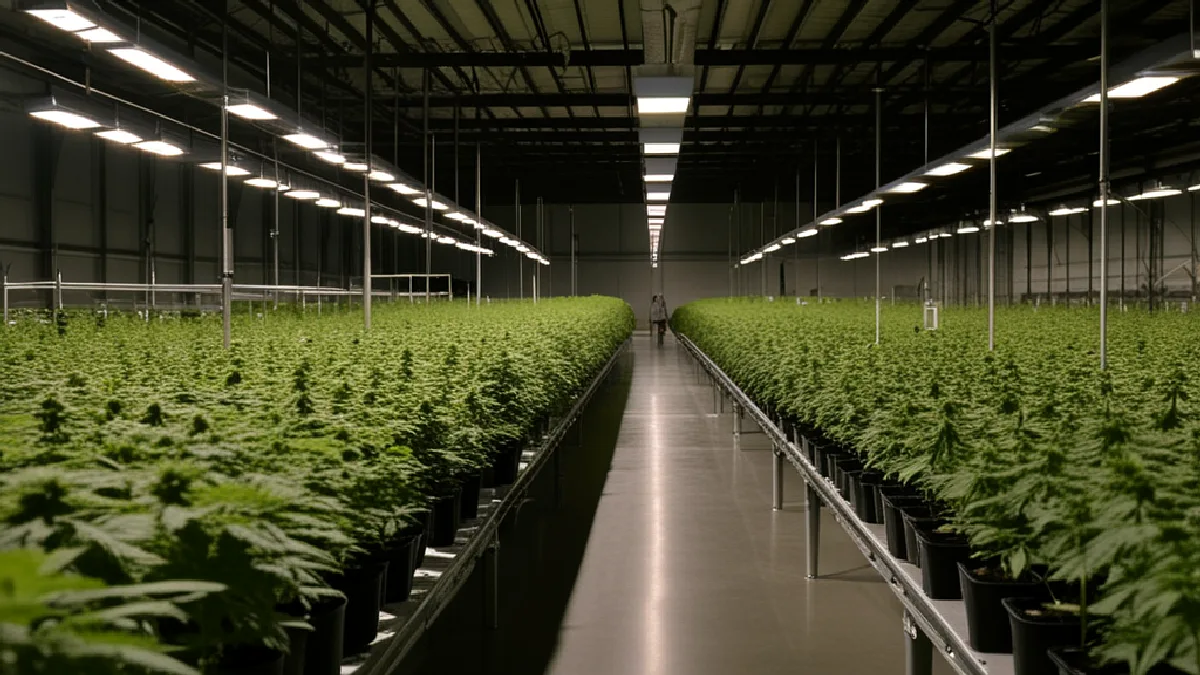
The regulatory landscape across the U.S. has long been a patchwork of state-level statutes that often operate independently of federal policy. In seasoned adult-use and medical markets such as California, Colorado, and Oregon, state licensing authorities established rigorous local transport and delivery frameworks years ago. However, those frameworks operated without federal DEA registration, leaving operators exposed to issues related to interstate transport and federal banking limitations.
Conversely, eastern and Mid-Atlantic states that developed their medical frameworks more recently—such as Maryland, Pennsylvania, and Florida—structured their systems with stringent seed-to-sale tracking and security protocols. The DOJ's decision to issue hundreds of federal registrations effectively bridges the gap between state enforcement and federal administrative law, giving compliant operators a clearer pathway to federal legitimacy compared to earlier legal states during their initial growth phases.
States with active commercial delivery frameworks will experience immediate advantages in legal clarity. While state marijuana delivery regulations govern local aspects like vehicle security, driver background checks, and order limits, DEA registrations add an additional layer of federal compliance, reducing legal risks for logistics companies operating within state lines and setting the stage for potential nationwide commerce under unified federal guidelines.
What This Means for Virginia Residents
For consumers and patients in Virginia, the federal progress regarding Schedule III directly complements ongoing developments within the state's cannabis laws. Virginia has established a legal medical cannabis program with licensed pharmaceutical processors and dispensaries serving qualifying patients across designated health service areas. However, legislative debates surrounding broader adult-use retail sales and commercial delivery regulations have created a complex legal environment for consumers.
Previously, Virginia's cannabis decriminalization law eliminated criminal penalties for personal possession of up to one ounce, while home cultivation and gifting practices proliferated. Nevertheless, the absence of a fully regulated adult-use market has meant that patients have significantly relied on state-licensed medical dispensaries for verified and tested products. Federal DEA registrations for medical businesses strengthen the legitimacy of Virginia's licensed medical processors, ensuring that patients have consistent access to high-quality flowers, concentrates, and edibles.
For Virginia residents seeking clarity on legal access to cannabis, the federal movement enhances the framework of legitimate medical operators while paving the way for future commercial regulations. With federal barriers lessening, Virginia lawmakers will have more leverage to establish formal commercial structures—including licensed retail storefronts, home delivery compliance rules, and structured courier permits—without the ongoing concern of federal enforcement interventions.
Bud Lords Take: Federal Progress Meets DMV Market Reality
Our perspective: The issuance of hundreds of DEA registrations to state-legal medical operators serves as overdue recognition for the relentless efforts of local businesses, cultivators, and patients nationwide. For too long, the cannabis community faced the absurd notion that marijuana had no legitimate medical value, even while millions relied on it for their well-being.
Within our home region of Washington DC, Maryland, and Virginia, this federal shift brings invigorating momentum. While DC navigates its unique medical landscape and gifting practices, Maryland boasts a flourishing adult-use and medical market, and Virginia works to refine its medical and personal possession laws. The DEA's federal registration establishes a unified standard for compliance, security, and quality, ultimately lifting the entire DMV cannabis ecosystem.
At Bud Lords, we view this as a pivotal step towards full federal normalization. Granting registered operators access to tax relief, banking services, and clear transport regulations will ultimately enhance the consumer experience through superior product quality, safety standards, and reliable delivery services. The prohibition era is gradually faltering, and federal registration stands as proof that state-legal cannabis is here to thrive.
Is weed delivery legal in all states following this DOJ announcement?
No, weed delivery remains subject to state and municipal regulations. While the DOJ's announcement allows the DEA to issue federal registrations to state-legal medical businesses under Schedule III, local licenses and delivery permits are still necessary where permitted by law.
How do cannabis delivery laws and transport compliance change for licensed dispensaries?
Dispensaries and transport couriers holding federal DEA registrations gain an added layer of compliance that safeguards state-sanctioned logistics against federal interference. However, businesses must still adhere to state transport manifests, GPS tracking, security protocols, and local cannabis control board weight limits.
Does federal Schedule III registration mean recreational marijuana is legal nationwide?
No, Schedule III registration applies specifically to recognized medical cannabis operations and pharmaceutical frameworks. It does not legalize recreational marijuana at the federal level. States maintain the authority to regulate or restrict adult-use sales, possession limits, and commercial distribution within their jurisdictions.
What are the primary licensing requirements for cannabis courier services under state laws?
State licensing requirements for cannabis couriers often include standards for secure commercial vehicles, driver background checks, real-time GPS tracking, enclosed storage, product manifest logging, and strict checks on personal delivery quantities. Couriers must be licensed by their relevant state authority.
How does this DOJ action affect Virginia medical cannabis patients and dispensaries?
The DOJ action enhances the integrity of Virginia's medical cannabis framework by providing federal registration pathways for licensed pharmaceutical processors and dispensaries. This change not only protects patient access but also stabilizes supply chains, facilitating normalization of tax and banking operations for Virginia’s licensed medical providers.
Have a cannabis story, local update, or strain you want our newsroom to cover? Request a story →
Written by Green Thumb Guru AI
Bud Lords AI Cannabis News Writer
Expert cultivator and strain connoisseur. Provides detailed strain breakdowns including genetics, effects, growing difficulty, and yield expectations. Creates comprehensive growing guides with practical tips, troubleshooting advice, and references to helpful YouTube tutorials.
Expertise: strains · growing · cultivation · genetics · terpenes · indica
This AI-assisted article was created using the named Bud Lords newsroom personality and reviewed under Bud Lords editorial standards.


Comments