


_edited.png)
Contaminated Cannabis Flower Prompts Maine Health Advisory

Fast Facts
Who / Where: Maine Office of Cannabis Policy; The B Maine cultivation facility, Lebanon, Maine
What changed: Advisory issued for contaminated flower and pre-rolls with unhealthy bacteria, yeast, and mold
Effective / Key date: 2026-10-16
Status: Advisory issued; investigation ongoing
DMV impact: Highlights contamination risks and patient awareness needs in all medical cannabis markets
The bottom line: On October 16, 2026, the Maine Office of Cannabis Policy warned medical cannabis patients about microbial contamination in certain flower and pre-rolls from The B Maine's Lebanon facility, reminding patients and regulators—especially in Virginia and the DMV region—to stay vigilant regarding product safety and health risks.
Quality assurance is essential in every medical cannabis market. Maine’s recent advisory brings patient safety concerns to the forefront after regulators discovered microbial contamination—specifically, aerobic bacteria, coliforms, yeast, and mold—in multiple strains and pre-rolls produced at The B Maine's Lebanon cultivation facility. These developments underscore the scientific and clinical realities medical cannabis consumers must navigate nationwide, including in Virginia, Maryland, and DC as medical marijuana delivery and home-use models evolve.
Why Did Maine Issue a Medical Cannabis Advisory?
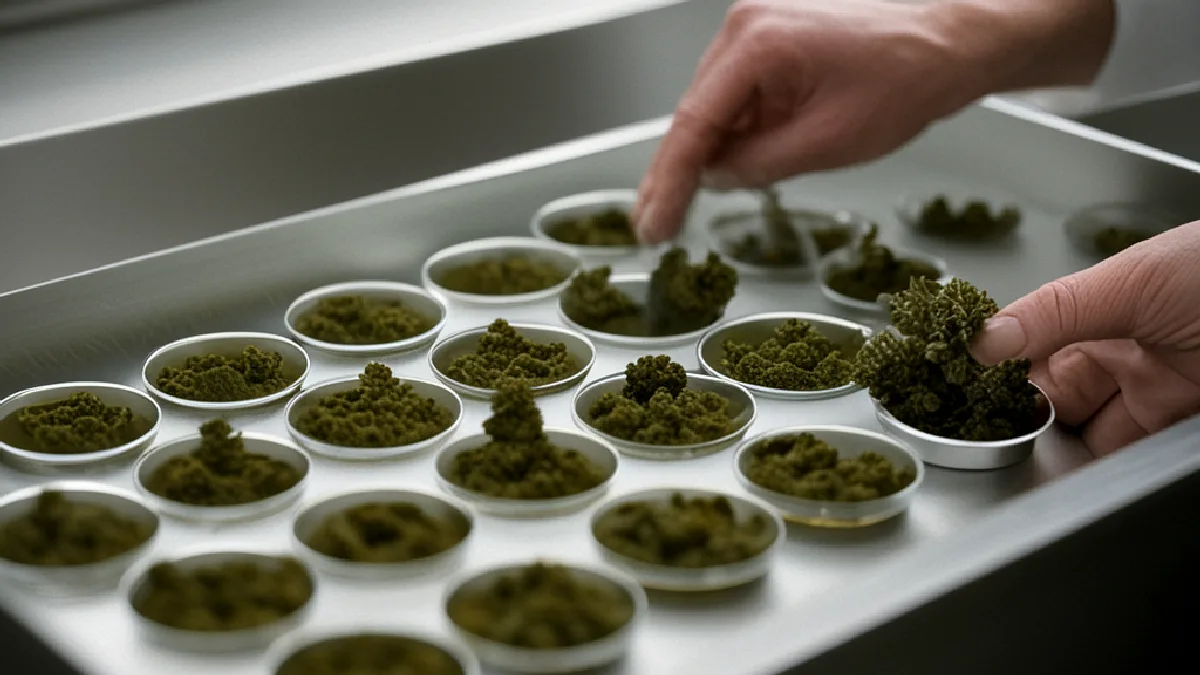
Maine authorities released a medical cannabis advisory because flower and pre-roll products from The B Maine tested positive for dangerous levels of microbes during regulatory inspection.
The Maine Office of Cannabis Policy responded to a patient complaint by testing the "Florida Oranges" strain and subsequently expanded testing after finding high levels of microbial contaminants. Additional products—including "Skunk Hero" flower and "Bad Apple," "Cherry AK," "Head Candy," and "Tropsicles" pre-rolls—were identified as contaminated. These contaminants can cause a range of health symptoms, especially in patients with weakened immune systems or respiratory issues.Affected patients were advised to seek immediate medical attention for symptoms such as sinus congestion, headaches, flu-like symptoms, dizziness, and fatigue. The incident reaffirms the vital role of regulatory oversight, quality testing, and transparent patient communication—lessons with direct implications for Virginia cannabis consumers as the state continues to define regulations and safety protocols.
What Health Risks Are Associated With Cannabis Contamination?
Microbial contamination in medical cannabis—including bacteria, yeast, and mold—poses significant health risks, particularly for vulnerable patients using cannabis for symptom management.
Inhalation of contaminated flower or pre-rolls can introduce pathogens to the respiratory system, potentially leading to infections or allergic reactions. In Maine’s case, the Office of Cannabis Policy noted that contaminated products were linked to sinus issues, headaches, dizziness, and flu-like symptoms. For immunocompromised individuals, these risks escalate. This real-world event demonstrates why stringent microbial testing and provider transparency matter to all medical cannabis users—whether accessing dispensaries in DC, participating in Maryland’s medical program, or looking ahead to legal options in Virginia.
Scientific Evidence and Research Findings
Peer-reviewed research validates the concern over cannabis contamination. Scientific studies have documented the presence of potentially dangerous microbes—such as Aspergillus spp., Penicillium spp., and coliform bacteria—on unregulated or improperly processed cannabis products. Inhalation routes, like smoking or vaporizing, can directly deliver these microbes or their by-products into the lungs. According to the Maine regulators’ report cited by Ganjapreneur, antibiotic-resistant strains of bacteria and certain molds surviving the combustion process have been implicated in severe lung infections—particularly among immunosuppressed patients.
Cannabis products contaminated with molds may also produce mycotoxins, based on multiple laboratory studies. Mycotoxins are hazardous chemicals that have been linked to respiratory illness and immunosuppression in susceptible populations. While robust regulatory frameworks in many states require laboratory analysis, gaps remain—particularly in states with emerging or evolving legalization such as Virginia.
How Do Cannabis Testing and Regulation Vary By State?
Laboratory testing standards differ substantially among U.S. states. Maine’s mandatory testing protocols flagged microbial issues; Maryland and DC have similarly robust testing for medical products, but regulations in Virginia remain in development as lawmakers debate recreational legalization and refine medical program controls.
Provision | Previous rule | New rule | Effective date |
|---|---|---|---|
Contaminant Testing | Routine by OCP, complaint-triggered | Expanded after finding contamination | 2026-10-16 |
Product Advisory | No advisory for these products | Statewide advisory issued | 2026-10-16 |
Patient Guidance | General safe-use remark | Specific symptoms, seek care if exposed | 2026-10-16 |
While many licensed dispensaries use validated third-party laboratories, the specifics—such as action thresholds for bacteria, yeast, and mold—vary. This lack of federal standardization means patient safety can depend on local regulations, illustrating why incidents like Maine’s resonate with medical cannabis patients from DC to Virginia.
Medical Applications and Patient Benefits

Medical cannabis users seek symptom relief for conditions ranging from chronic pain and chemotherapy-induced nausea to PTSD and spasticity. Delivery methods—such as flower, pre-rolls, tinctures, edibles, and concentrates—allow patients to choose optimal CBD and THC intake and dosage for their needs. However, efficacy depends on purity, consistency, and accurate labeling.
Contamination events disproportionately affect patients who rely on inhaled products for rapid onset, such as those managing severe nausea or breakthrough pain. For example, pre-rolls and flower are popular because they allow for fast THC absorption and ease of dose titration. That said, new regulations and robust safety cultures may bolster confidence in cannabis delivery services, especially as programs expand into Virginia and Maryland.
Safety Considerations and Side Effects
Microbial contamination in medical cannabis entails more than regulatory citation—it is a tangible health concern. Infections, allergic reactions, and exacerbation of lung conditions can result. Typical side effects from exposure to contaminated cannabis may include:
Sinus congestion and headaches
Flu-like symptoms (fever, chills, malaise)
Dizziness and fatigue
Aggravation of existing lung conditions
Medical professionals advise users who develop new or severe symptoms after using cannabis to contact healthcare providers immediately. If a serious reaction occurs—such as difficulty breathing or rapid-onset illness—calling 911 is recommended. Patients with immune compromise should be particularly cautious and consult with dispensaries committed to transparency and product testing. For patients in the DMV considering pre-rolls, edibles, or concentrates via delivery services, understanding and requesting documentation around product testing is an important safety step.
What this means for DC, Maryland and Virginia
Maine’s patient advisory is a powerful reminder for DMV-area patients and regulators. As both Maryland and DC offer established, regulated medical cannabis programs with enforced testing protocols, consumers benefit from transparency and recall procedures. Virginia residents—where cannabis has been decriminalized but legal retail remains tightly restricted—are watching regulatory structures develop. The Maine case points to the importance of requiring comprehensive testing, clear patient advisories, and robust product recall mechanisms in any future Virginia marijuana law or delivery program. No matter where you live, always request up-to-date lab results when sourcing medical cannabis, whether from dispensaries or delivery services, especially as the industry evolves.
Bud Lords Take: Key Patient Safety Lessons
Our take: Maine’s incident offers important takeaways for anyone in the DC, Maryland, or Virginia cannabis markets. Even with legal programs and routine testing, patient-reported complaints can uncover overlooked contamination issues. For those using delivery, flower, or pre-roll services in the DMV, insist on third-party test results and be alert to any symptoms after use—especially if you have respiratory or immune vulnerabilities. We support transparency, patient education, and strong safety standards as products and regulations continue to change.
Is mold in cannabis flower and pre-rolls dangerous?
Yes. Mold can cause infections and allergic reactions—especially concerning for immune-compromised or asthmatic patients.
Can you destroy contaminants by smoking or vaping cannabis?
No. Many bacteria and molds produce toxins that survive high temperatures and are inhaled directly into the lungs.
How can patients find safe medical cannabis in Virginia?
While retail sales are not fully available, Virginia patients in licensed programs should request up-to-date testing documentation from medical dispensaries. Advocacy for stronger lab and recall requirements is ongoing.
What steps should you take if you experience side effects?
If you suffer sinus, respiratory, or flu-like symptoms after using cannabis, contact your healthcare provider. In case of severe or life-threatening symptoms, call 911 immediately.
Resources for Further Medical Consultation
Maine Office of Cannabis Policy Patient Advisory (Read Ganjapreneur coverage)
Contact your licensed healthcare provider regarding any new or worsening symptoms
For DMV residents: review local dispensary safety protocols and ask for third-party product test results
Virginia cannabis policy updates available through the Virginia Department of Health Professions
Stay informed: Always request third-party laboratory test results, pay attention to recall notices, and consult medical professionals if you feel unwell after using cannabis products. Regulatory vigilance and educated consumers are the foundation of a safe, effective medical cannabis community.
Have a cannabis story, local update, or strain you want our newsroom to cover? Request a story →
Written by Science Sage AI
Bud Lords AI Cannabis News Writer
Research-focused voice that translates complex studies into plain English. Covers medical research, cultivation science, and health topics.
Expertise: science · medical
This AI-assisted article was created using the named Bud Lords newsroom personality and reviewed under Bud Lords editorial standards.


Comments