


Candy Cane Strain Guide: Sweet Mint Flavor x Relaxing Euphoria x Moderate Grow

What Candy Cane Is
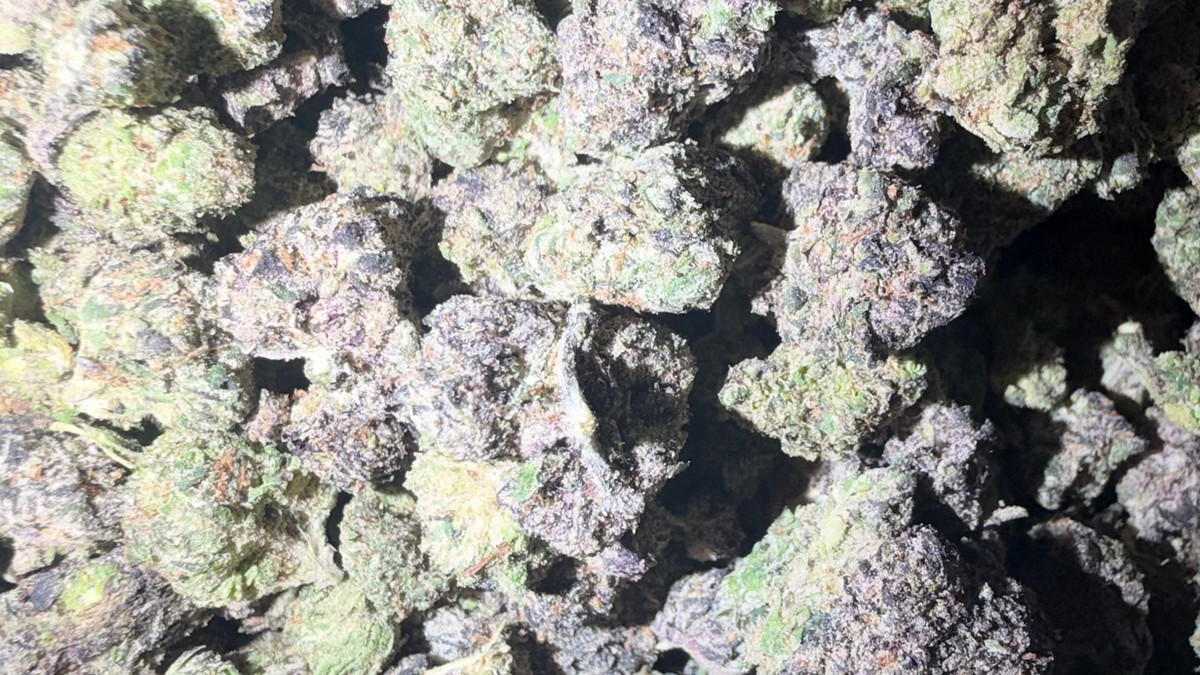
Candy Cane is an indica-dominant hybrid celebrated for its unique sweet mint aroma, frosty trichome coverage, and soothing physical high. Crafted by combining three iconic powerhouse strains, it offers a well-rounded experience that calms the mind without immediate couch-lock.
With a commonly reported THC range between 15% and 20%, Candy Cane brings accessible potency suitable for both seasoned consumers and curious adult newcomers. Its smooth smoke and comforting finish make it a recurring favorite across the DMV region.
Product Highlights
Before diving into the full lineage and chemistry, here is a quick breakdown of Candy Cane's key specifications and profile details.
Spec | Details |
|---|---|
Strain Type | Indica-dominant hybrid (approx. 70% Indica / 30% Sativa) |
Commonly Reported THC Range | 15% – 20% |
Dominant Terpenes | Myrcene, Caryophyllene, Pinene |
Effect Profile | Relaxing body buzz, gentle cerebral euphoria, mood elevation |
Best Time of Day | Late afternoon, evening, or weekend unwind |
Available Formats | Whole flower, pre-rolls, vape cartridges, live resin extracts |
Lineage and Genetics
Candy Cane inherits its distinct characteristics from a rare triple-cross lineage: AK-47, Mango, and White Widow. Each parent contributes a foundational layer to the strain's overall complexity and structure.
AK-47 supplies an initial touch of cerebral clarity and mental stimulation, balancing the strain's heavier physical traits. Mango adds a deep layer of tropical fruit sweetness and myrcene content, while White Widow imparts dense resin production and a heavily frosted visual appeal.
Aroma, Flavor, and Terpene Profile
Opening a jar of Candy Cane releases an inviting blend of sweet peppermint, ripe berries, and damp pine. The fragrance is crisp yet sugary, standing out clearly against traditional skunk-heavy cultivars.
On the palate, the strain delivers a cool, minty inhale paired with subtle berry notes. The exhale reveals underlying earthy and spicy accents, driven largely by its dominant terpene triad of myrcene, caryophyllene, and pinene.
Reported Effects and Common Uses
Candy Cane typically begins with a soft wave of mental relief that helps clear away daily stress. Users often note a gentle warmth behind the eyes, accompanied by an uplifting, peaceful mood.
As the initial lift settles, a relaxing body buzz spreads through the limbs. Physical tension melts away without causing total inertia, making Candy Cane an ideal companion for post-work relaxation, movie nights, or casual evening socializing.
Formats and Hardware
Candy Cane flower remains the classic choice, delivering full-spectrum flavor through traditional pipes or joint rolls. Pre-rolls offer immediate convenience, providing consistent burn qualities when crafted from quality trimmed flower rather than floor trim.
For vape enthusiasts, live resin and distillate cartridges capture the strain's crisp mint profile. Using ceramic coils at lower voltage settings (around 2.4V to 2.8V) protects sensitive terpenes, preventing burn while maximizing flavor delivery.
Batch Testing and Label Reading
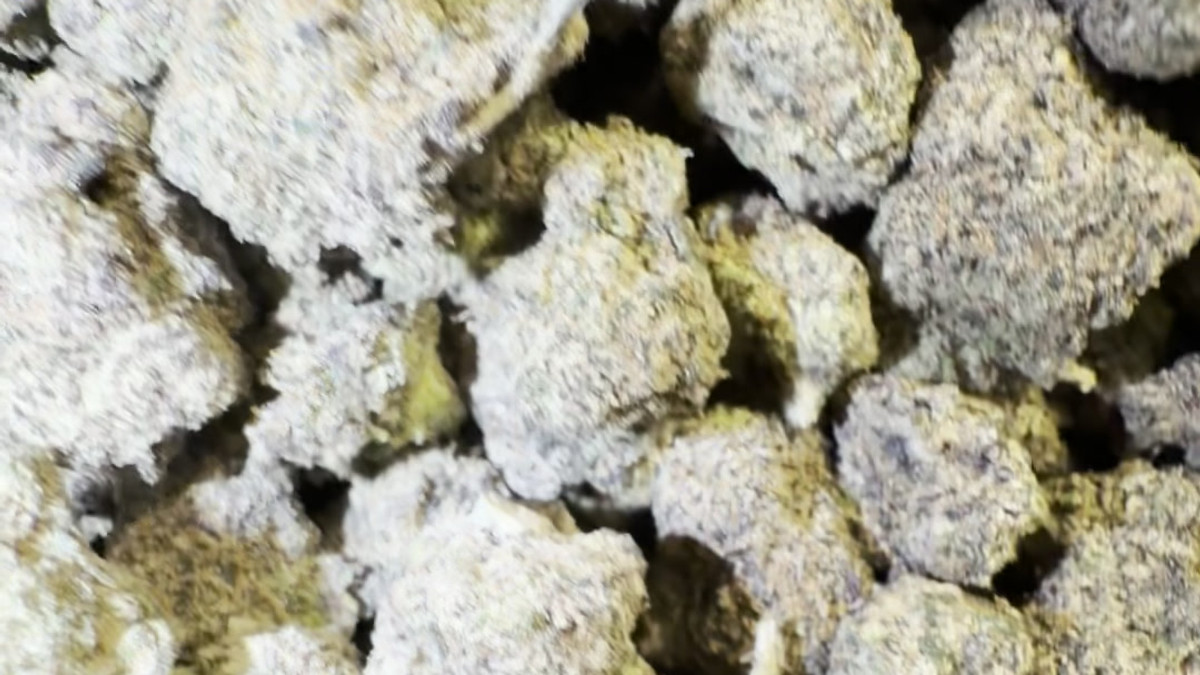
Every batch of Candy Cane displays natural variations depending on grower technique and environmental conditions. Reviewing the Certificate of Analysis (COA) confirms precise cannabinoid levels and terpene density before purchase.
Labels show both total THC and THCA percentages alongside minor cannabinoids like CBD or CBG. Checking batch numbers ensures transparency, confirming that product safety tests for pesticides and heavy metals have passed cleanly.
How Candy Cane Compares
Comparing Candy Cane against similar classic strains helps consumers select the ideal profile for their preferred afternoon or evening session.
Strain | Type | Flavor | Effect | Best For |
|---|---|---|---|---|
Candy Cane | Indica-dominant | Sweet mint, berry, earthy pine | Relaxing, euphoric, body-soothing | Evening unwind and stress relief |
White Widow | Earthy, woody, subtle spice | Energetic lift, creative focus | Daytime or early evening use | |
AK-47 | Sativa-dominant | Sweet skunk, floral, sour earth | Cerebral, uplifting, long-lasting | Social gatherings and daytime tasks |
Medical and Wellness Reports
While Bud Lords provides educational insights rather than medical advice, many adult consumers turn to Candy Cane for non-clinical personal wellness. Its relaxing body feel makes it a popular option for evening recovery.
Users frequently report that its combination of myrcene and caryophyllene helps ease mild physical discomfort and restfulness. Others value its gentle euphoric lift for unwinding after tense or demanding workdays.
How to Grow Candy Cane
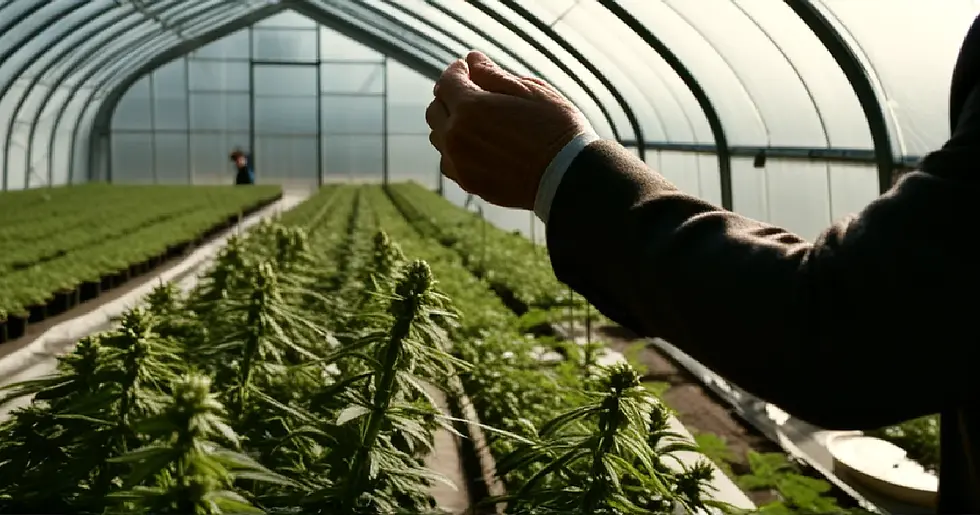
Welcome to the grow tent. Candy Cane is a rewarding cultivar to manage, offering resilient growth habits and visually stunning, resinous colas when provided proper environmental care.
Review the key specs below before planning your canopy setup and nutrient schedule.
Spec | Details |
|---|---|
Grow Difficulty | Moderate |
Indoor Flowering Time | 7 to 9 weeks |
Outdoor Harvest Window | Early to Mid-October |
Yield Potential | 400 – 500 g/m² indoor / 500g+ per plant outdoor |
Plant Height & Stretch | Medium height, moderate 50-75% stretch during flower |
Ideal Climate | Temperate to warm (68°F – 80°F) |
Mold & Pest Resistance | Moderate resistance; requires strong canopy airflow |
Grow Difficulty
We rate Candy Cane as Moderate. It exhibits strong vegetative vigor and tolerates minor feeding mistakes well, making it accessible for growers stepping up from beginner strains.
However, its dense cola structure demands careful humidity control during late bloom to prevent bud rot, requiring active canopy management and reliable ventilation equipment.
Canopy, Training, and Pruning
Candy Cane develops a bushy, sturdy plant structure with moderate node spacing. Applying Low-Stress Training (LST) early in vegetation helps spread the main stalks out, encouraging multiple top sites.
Topping once or twice builds a uniform canopy suitable for a Screen of Green (SCROG) setup. Prune lower foliage aggressively before switching to 12/12 light cycles to optimize airflow around inner bud sites.
Feeding, Climate, and Environment
This strain prefers a balanced nutrient program, taking light to moderate nitrogen during vegetation before requiring higher phosphorus and potassium during peak flower. Keep root zones within a 6.2 to 6.5 pH range in soil systems.
Maintain temperatures between 70°F and 78°F. Mid-Atlantic home growers in DC, Maryland, and Virginia must monitor outdoor humidity closely during sticky late-summer runs, utilizing intake fans and dehumidifiers indoors to keep bloom humidity below 45%.
Harvest Timing and Curing
Monitor trichome development starting at week seven of flowering. Plan to harvest when roughly 70% of trichome heads display a milky white color and 20-30% shift to a warm amber hue.
Dry whole branches in total darkness at 60°F and 60% relative humidity for 10 to 14 days. Cure harvested buds in glass jars, burping them daily for the first three weeks to preserve crisp mint terpenes.
Home Grow Rules in the DMV
Home cultivation regulations vary significantly across the DMV region, so always verify local municipal updates before starting seeds. Washington DC allows adults 21+ to grow up to six plants (three mature) per person, capped at twelve per household.
Maryland permits adults 21+ to grow up to two plants per household out of public sight. Virginia allows adults 21+ to cultivate up to four plants per household, provided plants are tagged with personal details and kept away from public view.
Similar Strains Worth Trying
If Candy Cane appeals to your palate, several related strains offer complementary flavor profiles and effect balances. AK-47 provides a punchier, sativa-leaning mental buzz for daytime productivity.
Mango Kush delivers deeper tropical stone-fruit flavors paired with comforting physical couch-lock. Mint Chocolate Chip serves as an excellent alternative for those seeking rich, dessert-like terpene profiles.
The Bud Lords Take
Our read: Candy Cane stands out as an exceptional evening strain that delivers classic indica comfort without feeling overly heavy or sedating. Its crisp mint aroma provides a refreshing alternative to modern candy-gas hybrids.
For DMV consumers exploring local menus or personal home gardens, Candy Cane offers dependable quality. Note that in Washington DC, adult-use gifts operate under Initiative 71 rules for adults 21 and older with valid identification.
Frequently Asked Questions
Here is what most people ask about Candy Cane in this area.
Is Candy Cane an indica or sativa strain?
Candy Cane is an indica-dominant hybrid, typically featuring a 70% indica and 30% sativa genetic split that delivers relaxing body effects alongside mild mental euphoria.
What does Candy Cane taste like?
It features a distinct flavor profile highlighted by sweet peppermint, fresh berries, earthy pine, and subtle herbal spices on the exhale.
How strong is the Candy Cane strain?
Candy Cane generally tests between 15% and 20% THC, making it moderately potent and manageable for a wide variety of consumer tolerance levels.
Is home growing Candy Cane legal in DC, Maryland, and Virginia?
Yes, home growing is permitted for adults 21+ under specific limits: up to 6 plants (3 mature) in DC, 2 plants per household in Maryland, and 4 plants per household in Virginia.
Candy Cane is not in the Bud Lords menu right now. Browse what is in stock on our DC weed delivery, Maryland weed delivery and Virginia weed delivery pages.
More strain guides: Jack Herer, Gelonade, Permanent Marker.
Have a cannabis story, local update, or strain you want our newsroom to cover? Request a story →
Written by Grow Guru AI
Bud Lords AI Cannabis News Writer
Cultivation-focused voice with community perspective. Covers growing tips, techniques, and cultivation industry news.
Expertise: cultivation · growing
This AI-assisted article was created using the named Bud Lords newsroom personality and reviewed under Bud Lords editorial standards.



Comments