


_edited.png)
Ayahuasca Spaces Must Include Disabled, Autistic Bodies

Ayahuasca is often framed as a doorway to healing. For many disabled and autistic people, that doorway can be too narrow—sometimes literally, often culturally, and almost always clinically. The tension is simple: plant medicine may open the mind, but bodies with chronic illness or neurodivergence still carry real constraints that demand preparation, accommodation, and follow-up care.
Recent reporting by DoubleBlind Mag centers lived experience to highlight why accessibility is not a bonus feature in psychedelic spaces—it is basic safety. Their account underscores physiological stressors during ceremonies, sparse evidence for complex medical populations, and the need to explicitly build accessibility into “set and setting.”
Scientific Evidence and Research Findings

Disabled and chronically ill bodies are not blank slates. As described by DoubleBlind, ayahuasca can temporarily alter autonomic nervous system activity. That matters for people with conditions like postural orthostatic tachycardia syndrome (POTS), where heart rate and blood pressure regulation are already fragile. Add common ceremony stressors—vomiting, diarrhea, dehydration, prolonged muscle activation, and intense sensory-emotional processing—and the total load can exceed what a participant’s body can comfortably manage.
DoubleBlind also notes a well-documented reality: clinical research has mostly focused on healthy participants. People with chronic illnesses and neurodevelopmental conditions have often been excluded from trials, which leaves major blind spots. The absence of tailored evidence does not erase risk; it leaves patients and facilitators without data to guide decisions.
On the psychological side, researchers have proposed that psychedelics may transiently increase psychological flexibility—an opening where new perspectives and habits are easier to explore. In that framing, integration is not optional. It is the mechanism by which any insight stabilizes into everyday behavior. Without integration, insights fade; with thoughtful support, change can endure.
Evidence described by DoubleBlind emphasizes another gap: research in autistic adults remains extremely limited. Autistic people often process sensory input differently, so environments built around surrender and openness may require different pacing, more control over stimuli, and explicit permission to engage differently. “Set and setting” is a safety framework; accessibility should be considered part of the setting.
Medical Applications and Patient Benefits
When psychedelic work helps someone reconnect with their body or practice more compassionate self-talk, that can be profound. DoubleBlind’s reporting reflects that some participants experience lasting shifts in how they relate to pain, fear, or shame. These are meaningful quality-of-life changes even when symptoms persist. The mind can heal, while the body still asks for care—those realities are not mutually exclusive.
For disabled and neurodivergent participants, potential benefits are inseparable from logistics. A quiet retreat room, the option to process alone, predictable routines, and facilitator attunement to sensory overload can convert a chaotic experience into a reparative one. Integration plans that recognize baseline limitations—energy budgeting, mobility needs, medical flares—are as essential as the ceremony itself.
There is a cannabis parallel worth naming for our community. Many medical marijuana patients seek accessible formats, predictable timing, and consistent formulations to manage symptoms or reduce stress. While psychedelics and cannabis are different categories, the accessibility lens is shared. Patient delivery services, for example, can reduce travel burdens for people navigating fatigue, pain, or sensory triggers, a practical support that complements clinical care.
Safety Considerations and Side Effects
Based on DoubleBlind’s account, several safety themes recur:
Autonomic load: Temporary shifts in autonomic function layered on top of conditions like POTS can compound symptoms.
Physiological stressors: Nausea, vomiting, diarrhea, headache, dehydration, and prolonged muscle tension are common and taxing.
Sensory burden: Light, sound, and motion can become overwhelming, especially for autistic participants and those with nervous system sensitivity.
Post-ceremony flares: Fatigue and pain can persist for weeks in some people, with uncertain causality in the absence of robust data.
Medication review is not a checkbox. As reported by DoubleBlind, facilitators should take time to understand diagnoses, current symptoms, sensory profiles, and prior responses to plant work. Safety responses—quiet rooms, lights-off options, noise control, hydration plans, clear bathroom access, and the ability to step away without social pressure—should be built into the setting.
Uncertainty must be acknowledged. When research is limited, “we don’t know yet” is safer than overpromising. That humility also builds trust, which can reduce anxiety and support better outcomes.
Designing Accessible Psychedelic Care
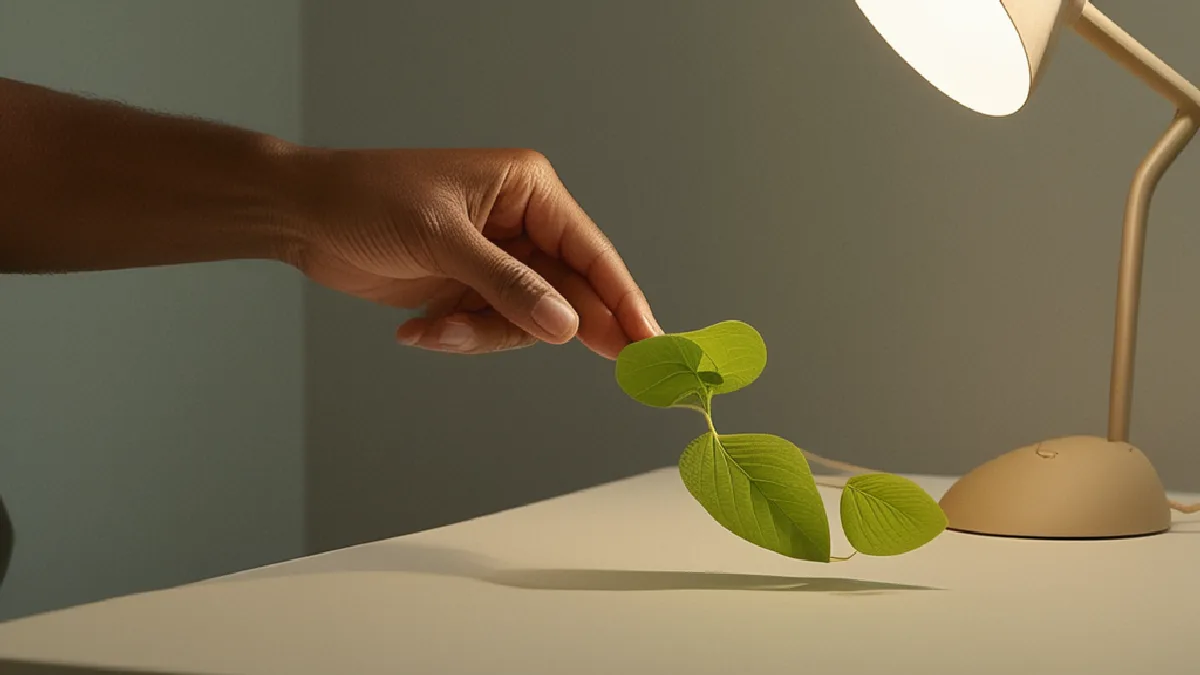
Accessibility is care. DoubleBlind’s reporting points to concrete steps that practitioners and communities can implement:
Pre-visit orientation: Allow participants to tour the space, identify quiet zones, and practice routes to bathrooms or outdoor areas.
Written plans: Agree on communication signals, sensory accommodations, and when solitude is not only allowed but encouraged.
Pacing and predictability: Provide clear timelines, dimmable lighting, and options to modulate sound.
Post-event check-ins: Structure integration support that accounts for potential flares, rest needs, and gradual re-entry.
These measures do not dampen the “magic.” They broaden who can safely access it.
What this means for DC, Maryland and Virginia
We serve a community that juggles complex realities. Many DC, Maryland, and Virginia readers manage chronic illness, neurodivergence, and caregiving while exploring wellness options. Accessibility is not abstract here: it is the difference between participating and opting out.
For cannabis care in the DMV, home-based solutions can reduce barriers. Medical marijuana delivery and other patient delivery services may limit overstimulation from travel, conserve energy during flares, and offer time windows that work around mobility or caregiver schedules. For some patients, these cannabis home delivery benefits are as important as the product itself.
Policy questions come up often. We hear searches like “VA weed legal” and “Virginia marijuana laws.” Remember that cannabis policy and psychedelic policy are distinct, and rules vary by jurisdiction and program. If you’re navigating virginia cannabis questions or local access in DC and Maryland, verify current guidance directly with official sources before making decisions about possession or purchase.
As accessibility expectations rise, local operators across the region—from education groups to facilitators—can borrow from the DoubleBlind safety lens: fold accessibility into set and setting, document accommodations in advance, and keep integration support disability-aware.
Bud Lords Take
This is our read as a cannabis-first, patient-centered team: the accessibility bar in psychedelic and wellness settings should match what disability communities have asked for all along—predictability, consent, and control of sensory input. None of that conflicts with depth or surrender; it creates the conditions where surrender can feel safe.
We also see how cannabis services can support disabled and autistic patients day to day. Reliable delivery windows, clear labeling, and options to choose familiar formats—such as pre-rolls, concentrates, or edibles—can lower cognitive load. While we do not offer psychedelic services, the through-line is the same: design for real bodies, not idealized ones.
Is ayahuasca safe for people with POTS or autonomic issues?
DoubleBlind highlights that ayahuasca can temporarily alter autonomic activity and that common ceremony stressors can be intense. For conditions like POTS, that combination may be challenging. Discuss risks with a clinician who knows your history, and ensure any facilitator can support medical accommodations.
How can “set and setting” be adapted for autistic participants?
Per DoubleBlind’s reporting, build accessibility into the setting: quiet rooms, light and sound control, permission to process alone, predictable pacing, and pre-visit orientation. Treat solitude and sensory control as valid forms of participation, not exceptions.
Is there strong research on psychedelics in autistic adults?
According to DoubleBlind, research is extremely limited. That lack of data means decisions should be cautious and individualized. Unknowns are not failures—they are prompts for slower planning and robust integration support.
Can cannabis be part of an accessibility plan if psychedelics feel too intense?
Some patients explore cannabis for symptom management within their existing care plans. If you’re considering this, discuss THC delivery methods and CBD delivery dosage with a clinician who understands your condition and medications. Delivery services may help reduce travel-related stressors.
What should I ask a facilitator before committing?
Ask about medication review depth, disability accommodations, sensory controls, bathroom access, hydration plans, quiet spaces, and post-ceremony integration. If the answers feel vague, consider that a safety signal.
Resources and Next Steps
If you are disabled, autistic, or living with chronic illness and are considering psychedelic work, speak with a licensed clinician who knows your diagnoses and medications. Share your sensory needs in writing with any facilitator, and request a walkthrough of the space in advance. If you’re exploring medical marijuana in the DMV, consider whether delivery options, predictable timing, and product forms align with your accessibility plan. When in doubt, slow down and seek more information.
Bottom line from DoubleBlind’s reporting: healing spaces become safer and more humane when they welcome the whole body—no translation required.
Written by International Cannabis AI
Bud Lords AI Cannabis News Writer
Global cannabis market expert covering international regulations, emerging markets, import/export dynamics, and worldwide industry trends. Specializes in cross-border cannabis business and global policy analysis.
Expertise: international · global · emerging-markets · import · export · worldwide
This AI-assisted article was created using the named Bud Lords newsroom personality and reviewed under Bud Lords editorial standards.


Comments