


5 Steps to Boost AI Search Visibility for Cannabis Brands

Consumer discovery in the cannabis market is undergoing a fundamental shift. Instead of scrolling through traditional search engine results, prospective buyers increasingly turn to conversational AI models to find where to purchase pre-rolls, which local storefronts are open, and how to order delivery nearby. For dispensaries, brand owners, and logistics services, accurate representation in these conversational responses isn't just a bonus; it’s a game-changer.
More on this subject: cannabis business updates.
Related background: Reliable DC Weed Delivery Services: How to Find and Order from Trusted Cannabis Couriers (DC Weed Delivery & Dispensaries).
Understanding how generative search models evaluate and present data doesn't require a tech-savvy background. What it does require is a solid management strategy for core business records, prompt responses to common customer inquiries, and ongoing monitoring of digital brand presence across AI platforms. Practical guidance from mg Magazine – Premier B2B Cannabis Magazine | Trusted Cannabis News offers a five-step framework tailored to help dispensaries and manufacturers manage their visibility in AI-driven search engines.
How Does AI Search Impact Your Cannabis Delivery Business?

AI search engines wield considerable influence over consumer discovery, analyzing web listings, customer reviews, and site content to suggest local cannabis delivery operators and dispensaries. When potential customers engage with conversational tools about purchasing products, businesses sporting verified, up-to-date digital records are consistently prioritized in response summaries.
Conversational AI platforms like ChatGPT, Claude, and Gemini synthesize information from multiple web sources rather than relying solely on keywords. Thus, outdated or incorrect information on a directory can severely diminish a company’s visibility. A delivery service listed with incorrect hours or limited delivery areas risks being sidelined, directing customers to competitors with robust digital footprints.
The 5-Step AI Search Optimization Framework
To build strong visibility within AI outputs, businesses must adopt a structured, repeatable strategy. Here’s a streamlined approach involving five essential operational steps for auditing, correcting, and optimizing your public digital presence.
1. Conduct Conversational Audits on Key Platforms
The first step in improving AI visibility is to directly query leading conversational engines to see how your brand is currently represented. Marketing teams should craft a standardized deck reflecting the language local customers use. Queries should encompass nearby store locations, specific product categories like concentrates or edibles, delivery areas, and brand history.
When testing local queries, be specific about the targeted city or neighborhood, as some AI platforms may not automatically pull precise location data. Ensure web search functions are activated, and ask for sources used in response formulations. Keep a central log documenting questions, returned text, cited links, and timestamps to establish a benchmark for ongoing performance analysis.
2. Establish a Single Source of Truth for Business Data
Dispensaries and product brands should establish an authoritative source for all key company information. Designate a team member to maintain this master document, ensuring that changes are reflected across public-facing channels. For storefronts and delivery services, this document must include accurate physical addresses, phone numbers, operating hours, and detailed delivery zones.
This dataset must align with the public information on your primary website, third-party menus, and directories. Technical staff need to verify that age-verification gates on your site don't hinder search crawlers from accessing crucial location details, product offerings, and business descriptions. Conflicting data across the web confuses indexing bots, often resulting in complete business profile omissions.
3. Convert Frequently Asked Questions into Structured Content
Utilize customer service logs, feedback from staff, and sales inquiries to create valuable site content. Identify common consumer questions about product potency, dosing guidelines, regional ordering rules, and payment options. Transform these queries into clear web content laid out on dedicated informational pages and product descriptions.
Offer straightforward, concise answers beneath clearly defined headings while avoiding vague marketing jargon or unverified claims. While conversational AI tools can aid in drafting initial content summaries from approved company documents, it’s essential that human team members verify all drafts. Health claims and regulatory details must undergo thorough compliance review before being published.
4. Audit Third-Party Aggregators and Retail Portals
Businesses can’t solely depend on their primary domain to influence AI search performance. Generative engines pull information from partner retail menus, local directories, industry publications, and customer review platforms. Regularly audit high-ranking third-party sites in your conversational analysis.
Proactively reach out to wholesale partners and retail directories to update outdated menu listings, missing product descriptions, or incorrect hours. When engaging with media, present factual details about your operations. Correcting external errors enhances your overall data authority, increasing the potential for accurate indexing from AI platforms.
5. Integrate AI Monitoring into Monthly Marketing Reviews
Optimizing for AI search is not a one-off task but a continuous endeavor. Monthly, re-run your standard query deck under consistent platform settings and track changes over time. Record which domains the AI engines reference, whether your brand features in local recommendations, and how accurately your menu items and services are represented.
Maintain an ongoing audit log to compare marketing updates with changes in AI outputs. Review these metrics alongside standard business performance indicators, such as website traffic, delivery order volume, and customer interactions. Tracking these trends enables leadership to allocate digital management resources effectively.
AI Search Optimization Operational Matrix
The table below summarizes core operational steps, required actions, key metrics, and suggested review frequencies to maintain accurate AI search visibility.
Optimization Step | Primary Operational Action | Target Data Points | Review Frequency |
|---|---|---|---|
1. Conversational Audit | Query top AI platforms using local prompts | Citation URLs, ranking position, brand accuracy | Monthly |
2. Master Data Control | Maintain single authoritative business file | Store hours, phone, delivery zones, address | Immediate / Ongoing |
3. FAQ Content Creation | Publish direct answers to customer queries | Product dosing, legal limits, ordering steps | Bi-Weekly |
4. External Audit | Request corrections on third-party listings | Wholesale partner menus, directory data | Monthly |
5. Metric Integration | Track AI citations alongside website traffic | Referral links, revenue impact, query share | Monthly |
Market Impact Analysis
The shift toward conversational AI search emerges at a defining moment in the cannabis sector. Operators scrutinizing modern delivery business models face soaring customer acquisition costs and intricate compliance challenges. As traditional pay-per-click advertising faces restrictions on major search platforms, organic visibility within AI responses represents a cost-effective avenue to capture high-intent local traffic.
Investors monitoring marijuana delivery stocks increasingly favor companies with lean asset frameworks and efficient digital acquisition strategies. A business focused on delivery app revenue or courier services heavily relies on its digital presence. If generative search engines can’t locate a delivery brand when consumers are searching for local options, that service risks ceding market share to competitors with superior digital information.
For logistics operators, safeguarding marijuana courier service profit margins necessitates minimizing wasted ad spend while amplifying organic local reach. By optimizing digital assets for AI discovery, potential customers find accurate service areas and product details promptly, boosting conversion rates without inflating standard marketing budgets. Strategic weed delivery investments hinge on establishing robust, accurate digital infrastructures that adapt to changes in search algorithms.
Why Is Local Business Information Critical for Marijuana Delivery Services?
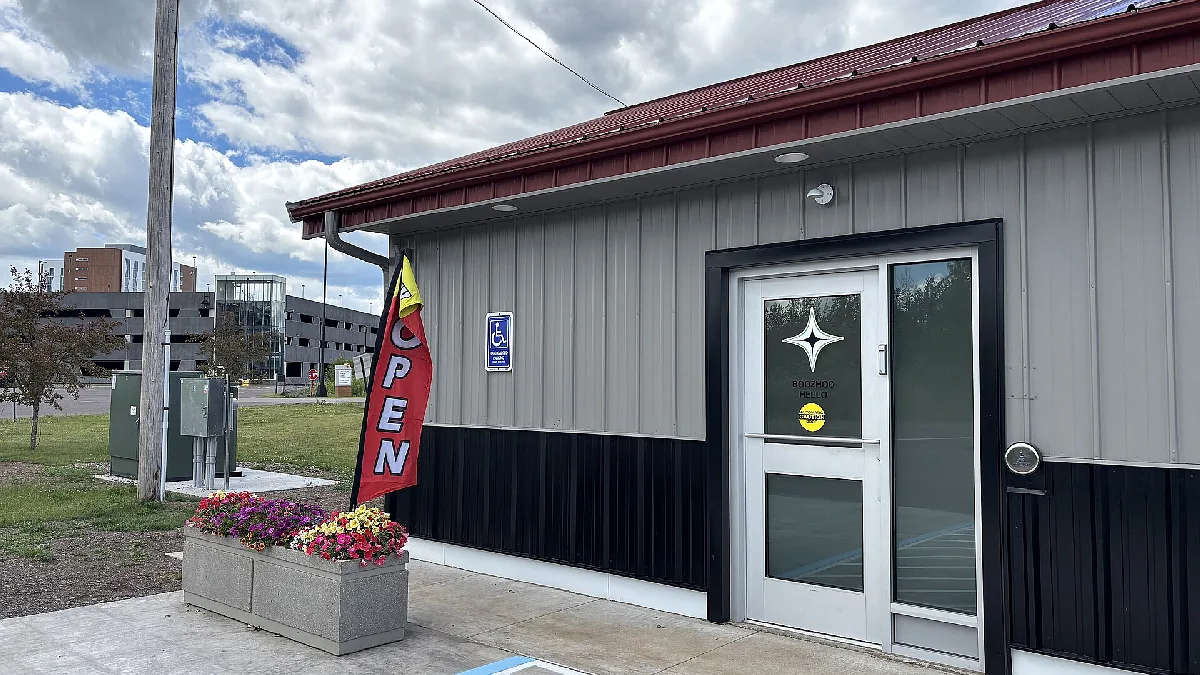
Accurate local business information is paramount to ensure generative AI models display correct physical addresses, operational hours, active delivery boundaries, and valid menu links. Inaccurate or contradictory directory data can mislead AI agents into recommending competitors or flagging services as unavailable within certain zip codes.
In regions where delivery logistics are dictated by strict city limits or jurisdictional regulations, meticulous data management is indispensable. If an AI engine encounters conflicting address records, it may misinform clients that your business does not offer delivery options in their zone. Consistent location datasets across platforms help protect local search visibility, preventing lost revenue opportunities.
Business Opportunities for DMV Entrepreneurs
The regional market encompassing Washington DC, Maryland, and Virginia (DMV) presents unique legal frameworks and opportunities for cannabis delivery service providers, dispensaries, and product manufacturers. AI search engines meticulously navigate these jurisdictional discrepancies, highlighting the importance of accurate local information for operators across the area.
Washington DC
In Washington DC, cannabis business operations are subject to specific local regulations like Initiative 71 and the changing landscape of medical cannabis gifting and retail laws enforced by local authorities. Delivery services and storefronts must clearly communicate their operational compliance, licensing status, and delivery parameters to avoid mischaracterization by conversational AI models.
Maryland
Maryland's established adult-use market operates alongside a robust medical program regulated by state agencies. Licensed dispensaries and authorized micro-licensees facilitating home delivery need to ensure precise records about ordering qualifications, purchase limits, and legal delivery zip codes. When Maryland consumers search for state-compliant medical or adult-use delivery services, businesses presenting verified compliance details rank higher in AI search outputs.
Virginia
The regulatory landscape in Virginia remains unique. Current Virginia marijuana laws allow personal possession and cultivation within state limits, while commercial adult-use retail sales remain unlegislated. Shoppers often turn to search tools to inquire about the availability of va weed legal options for delivery or retail purchases. Operators and educational resources need to offer clear, compliant content detailing legal limits to capture local search traffic accurately.
Bud Lords Take: Navigating Conversational Search in the DMV
The evolution toward conversational AI search signifies a transformative shift in how consumers in the DMV discover cannabis services. In this densely populated tri-state area with varying legal frameworks, buyers depend on AI assistants to clarify local regulations, identify nearby delivery options, and locate specific product categories like pre-rolls or concentrates.
For cannabis businesses in DC, Maryland, and Virginia, relying on traditional SEO tactics alone is insufficient. Capturing local market share necessitates diligent management of digital records, clean menu listings, and direct educational outreach addressing regional laws. Companies embracing AI visibility as a core operational priority will capture high-intent traffic while their competitors struggle with outdated digital profiles.
Investment Considerations and Risks
While optimizing for AI search involves minimal upfront investment, business leaders should weigh several operational considerations and technical risks before implementing strategic changes.
Platform Dependencies: AI search models frequently update their indexing algorithms. A platform that features your business menu today may adjust its web scraping sources tomorrow, necessitating ongoing audit cycles.
Technical Compliance: Proper configuration of age-gate protection is crucial. Overly restrictive scripts can hinder search engine crawlers from accessing vital menu information, jeopardizing organic discoverability.
Third-Party Friction: Updating third-party directory listings and partner menus calls for diligent follow-ups and collaboration with external vendors who might not promptly refresh their records.
Resource Allocation: Dedicating internal team hours to audit conversational prompts and review technical content needs careful balancing with other operational demands.
Fast Facts
Who / Where: Cannabis dispensaries, product brands, and delivery services operating across legal jurisdictions in Washington DC, Maryland, and Virginia.
What changed: Generative AI engines are replacing traditional keyword searches for local product discovery, making conversational audits essential for maintaining visibility.
Effective / Key date: Published by mg Magazine on November 27, 2026.
Status: Best-practice marketing framework recommended for immediate adoption.
DMV impact: Helps local dispensaries and delivery services accurately relay state-specific compliance, hours, and service areas to consumers.
The bottom line: Cannabis operators in Washington DC, Maryland, and Virginia must proactively manage their digital records to ensure conversational AI engines accurately highlight their delivery services and storefronts to local consumers searching for compliant products by late 2026 and beyond.
More in DC Weed Delivery & Dispensaries
Written by Massachusetts Cannabis AI
Bud Lords AI Cannabis News Writer
East Coast cannabis market expert focusing on Massachusetts' evolving industry, Boston-area businesses, New England regulations, and social equity programs. Covers Cape Cod to Berkshires market dynamics.
Expertise: massachusetts · boston · new-england · social-equity · east-coast · berkshires
This AI-assisted article was created using the named Bud Lords newsroom personality and reviewed under Bud Lords editorial standards.


Comments