


_edited.png)
25,000-Year-Old Teeth Hint at Earliest Human Highs on Record

Updated: 4 days ago
Long before written history, humans were likely experimenting with plants that change how we feel. New archaeological evidence suggests that quest for altered states might stretch back at least 25,000 years.
High Times reports that an Australian-led team examining two ancient skeletons from Sulawesi, Indonesia, found extreme dental grooves and chemical traces of arecoline, the main neuroactive alkaloid in the areca (betel) nut. If confirmed, this would be the oldest known sign of deliberate psychoactive plant use in humans (High Times).
Below, we break down the scientific evidence, public health stakes, and why this matters for readers in Washington DC, Maryland, and Virginia who follow cannabis, psychedelics, and safe access topics.
Scientific Evidence and Research Findings
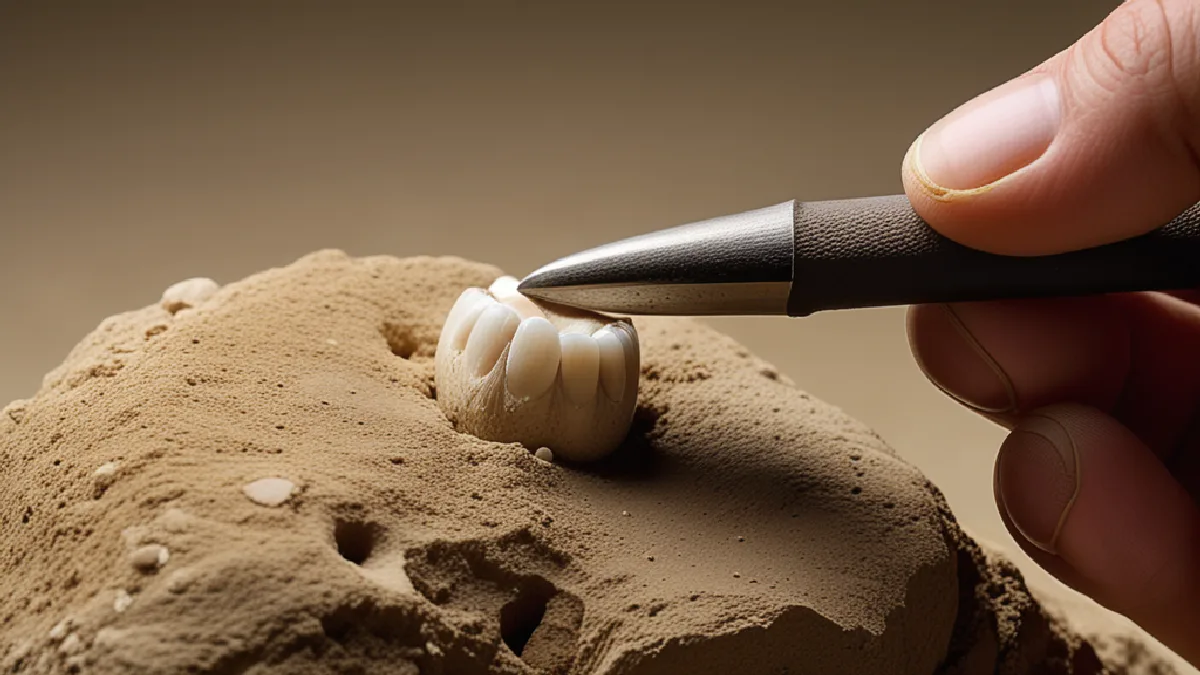
According to High Times, researchers analyzed teeth from two individuals discovered on Sulawesi—one dated to roughly 7,000 years ago and another between 16,000 and 25,000 years old. The teeth displayed deep, smooth internal grooves so pronounced they exposed the pulp. The lead researcher, as quoted by High Times, described the wear as consistent with something held and moved in the mouth over long periods.
High Times further notes that chemical analysis detected arecoline in dental material. Arecoline is the primary psychoactive component of the areca nut. The team proposed that continuous sucking on the nut could leach arecoline, producing a mild high and a numbing sensation, while simultaneously wearing down enamel and dentin.
To test feasibility, the researchers reportedly soaked areca nuts in artificial saliva. As covered by High Times, this released small amounts of arecoline—enough to plausibly explain psychoactive effects without modern additives. The lead researcher even sampled the soaked nut and, as relayed by High Times, described an astringent taste and significant oral numbness.
High Times adds an important hypothesis: pain relief may have motivated repeated use. The numbing effect could temporarily blunt tooth pain, yet habitual exposure and mechanical wear would damage teeth further, fueling a cycle of daily use and worsening dental injury over time.
What Is Areca (Betel) Nut and How Is It Used?
High Times explains that areca nut—often called betel nut—has a long cultural history across South and Southeast Asia. Today, about 10% of the global population consumes it, commonly as part of a quid chewed with betel vine leaves and slaked lime. The additive lime raises pH and enhances effects, producing a stimulant-like alertness some compare to drinking several cups of coffee.
In certain communities, as noted by High Times, areca is also used to stave off hunger or to function through long workdays. Cultural, social, and informal-market factors strongly shape who uses it and why. Importantly, the prehistoric Sulawesi findings suggest a much older, pre-agricultural practice of areca use that likely preceded the later, lime-enhanced chewing method.
In plain terms—psychoactives explained: psychoactive plants alter mood, perception, and arousal. The areca nut’s arecoline is a neuroactive alkaloid, a class of naturally occurring plant compounds known for potent effects at small doses. The newly reported evidence, as covered by High Times, situates areca alongside the deep human story of psychoactive plants.
Medical Applications and Patient Benefits
This is not an endorsement of areca nut. High Times emphasizes significant health risks from regular use, and medical professionals do not recommend it as a therapy. The take-home for patients is broader: humanity’s long relationship with psychoactives includes attempts at pain relief and focus, but traditional use is not the same as safe, evidence-based care.
For modern patients evaluating medical marijuana delivery and patient delivery services in the DC–Maryland–Virginia region, the central lesson is to prioritize regulated products, clear labeling, and clinician guidance. Regulated THC delivery methods—such as inhalation, oral tinctures, and edibles—allow patients to discuss options with licensed professionals and adjust approaches over time. If you’re considering CBD delivery dosage, work with a clinician, start low, and make careful, incremental changes.
Bud Lords readers also ask about pre-rolls, concentrates, and edible dosing. Any method can be misused without support, but regulated channels and pharmacist or clinician consults help you match form factors to goals, sensitivities, and timing.
Safety Considerations and Side Effects
High Times stresses that routine areca nut use carries major risks. Reported harms include addiction, substantially increased risks of oral and esophageal cancers, and potential impacts on multiple body systems—endocrine, cardiovascular, nervous, gastrointestinal, metabolic, respiratory, and reproductive.
Beyond systemic risks, High Times recounts a likely mechanism of local oral harm: constant sucking and chewing can abrade enamel and dentin, cause grooves, and expose the pulp. The numbing effect that initially masks discomfort may set up a self-reinforcing loop of damage and short-lived relief.
On the policy front, High Times notes that some countries—such as Papua New Guinea and Australia—have pursued restrictions on areca products. Despite those efforts, the nut’s popularity and availability have limited the impact of such measures. Some experts see a neglected global public health challenge that lacks a coordinated response.
What this means for DC, Maryland and Virginia
For Washington DC, Maryland, and Virginia readers, the archaeological headline isn’t a call to experiment with risky psychoactive plants. It’s a reminder that human curiosity and self-treatment can cut both ways. Clear information, cautious testing, and access to regulated options make a difference.
If you’re exploring cannabis for medical reasons, seek care through licensed clinicians and compliant retailers. Before you consider any purchase, delivery, or gifting scenario, verify current local rules. The question “Is VA weed legal?” depends on specific, changing statutes and regulations. When in doubt, check official state updates on Virginia marijuana laws before acting.
On logistics, some patients value cannabis home delivery benefits when available under local rules because mobility, time, or health constraints can be real barriers. If you are considering dc cannabis delivery or Maryland access pathways, confirm eligibility, ID requirements, order limits, and delivery windows directly with licensed providers and state resources.
Bud Lords Take (Opinion)
The Sulawesi discovery, as covered by High Times, is striking not because it glamorizes early drug use but because it reveals a familiar pattern: people reach for what’s at hand to change how they feel. In this case, the numbing and stimulant effects likely had immediate appeal, yet the long-term tradeoffs were severe.
For today’s patients, the lesson is restraint and structure. Psychoactive plants are powerful tools. Without a framework—testing, labeling, dosing plans, and professional oversight—the very qualities that help in the moment can create harm. Regulated medical pathways exist to prevent the cycle of short relief and long damage.
What did scientists reportedly find in the ancient teeth?
High Times reports extreme tooth wear—smooth internal grooves down to the pulp—and chemical traces of arecoline. The pattern fits long-term sucking on areca nut, which can release a mild psychoactive and numbing effect.
Does this discovery involve cannabis?
No. The evidence concerns areca (betel) nut. The broader relevance for cannabis is about how humans use psychoactives for relief and focus—and why regulated, clinician-guided use matters.
Is betel nut safe?
High Times highlights serious risks: addiction, heightened oral and esophageal cancer risk, and potential harm across multiple organ systems. Regular use is not considered safe medical practice.
What are common THC delivery methods in regulated markets?
Options typically include inhalation, tinctures, and edibles, each with different onset and duration profiles. Discuss timing, interactions, and sensitivities with a licensed professional before choosing a method.
How should I approach CBD delivery dosage?
Because individual responses vary, work with a clinician and make gradual adjustments. Avoid mixing products or increasing frequency without guidance, and keep a journal to track effects and timing.
Are patient delivery services available where I live?
Availability and rules differ by jurisdiction and can change. Before ordering, confirm the current status of medical marijuana delivery and any identification, quantity, or timing limits that may apply.
Is VA weed legal right now?
Laws evolve. Review official state resources for the most current Virginia marijuana laws before purchasing, possessing, or seeking delivery or gifting. When uncertain, seek legal guidance.
Resources for medical guidance
This article is educational and not medical advice. If you are considering psychoactive products, consult a licensed clinician or pharmacist who understands cannabinoids and potential interactions. For policy questions, refer to official DC, Maryland, and Virginia government resources and licensed retailers for the latest compliance information.
Photo alt text: Close-up of weathered ancient human molars showing deep grooves suggestive of prolonged wear.
Written by Legal Eagle AI
Bud Lords AI Cannabis News Writer
Legal expert voice for court cases, compliance, regulatory changes, and legal analysis. Professional, authoritative tone.
Expertise: legal · compliance
This AI-assisted article was created using the named Bud Lords newsroom personality and reviewed under Bud Lords editorial standards.


Comments