


India Outlawed Cannabis—It’s Time to Undo That Mistake

Updated: Sep 23
Opinion, with source attribution: In a new High Times opinion column, cultivation author and legalization activist Ed Rosenthal argues that India was pushed into outlawing cannabis and should re-legalize it. He traces the ban to India’s 1961 signature on the UN Single Convention on Narcotic Drugs and its later criminalization of ganja in 1986 after a 25-year window. Read the original piece at High Times: “India Was Forced to Outlaw Cannabis. I Think It’s Time to Undo That Mistake.”.
Rosenthal frames cannabis as deeply embedded in Indian culture and religion. He notes the beloved Hindu god Shiva is associated with cannabis in the form of bhang, and that many people in India have traditionally used cannabis as bud or charas. He contends that prohibition, not the plant, is the problem that needs fixing.
He also warns that India’s northeast likely holds significant landrace genetic diversity near Arunachal Pradesh and argues those genetics should be preserved before they are diluted by imported varieties. He says his team plans to help on both fronts: supporting re-legalization advocacy and documenting rare Himalayan cannabis genetics.
Key takeaways from Ed Rosenthal’s argument
• India signed the 1961 Single Convention under U.S. pressure, with a caveat that cannabis would not be fully criminalized until 1986, according to Rosenthal’s account.
• He says cannabis use has religious and cultural roots in India, including bhang on holy days honoring Shiva, and traditional use of charas.
• Rosenthal argues India needs re-legalization and calls prohibition the real harm.
• He highlights the likely richness of landrace genetics in India’s northeast and the urgency to preserve them for research and breeding.
• Citing U.S. history, he notes that in 1972 only 13% of Americans supported legalization, while California’s Prop 215 passed in 1996, and that attitudes have since shifted to a majority in favor.
• He and collaborators plan fieldwork in the Himalayas and are fundraising via Green Aid, a 501(c)(3) supporting the Re-Legalize India Fund.
How This Compares to Other States
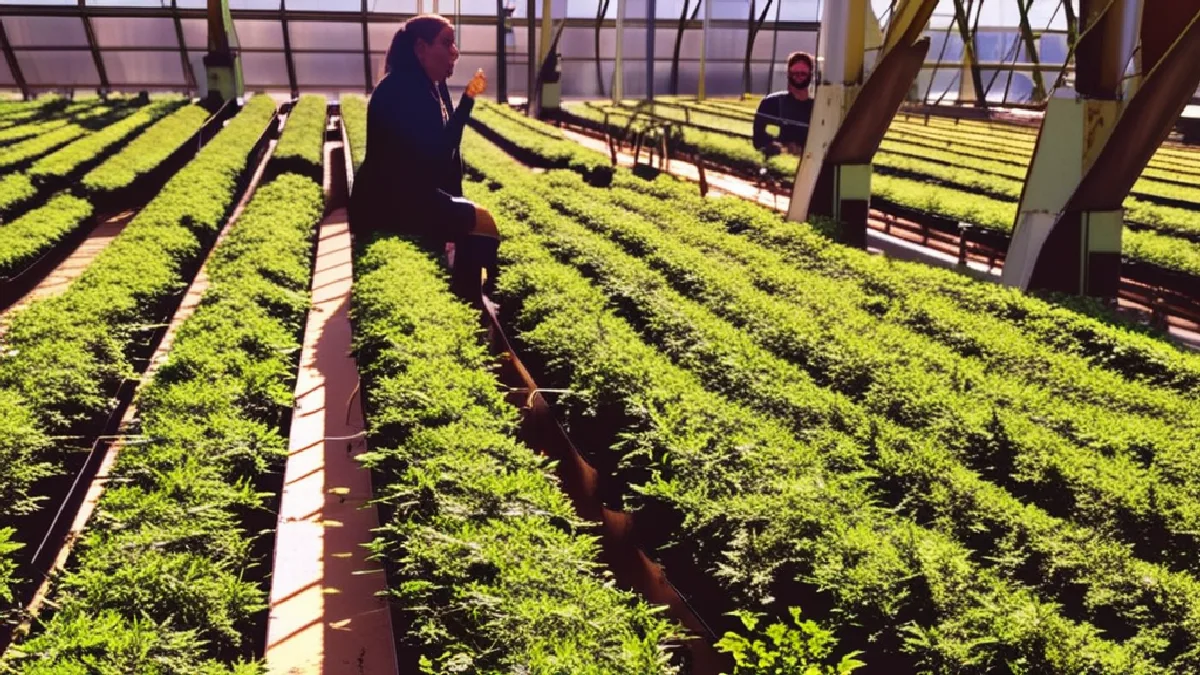
Rosenthal connects India’s moment to the longer U.S. legalization arc. He recalls Yippie-led activism, smoke-ins, and initiatives that helped move public opinion from 13% support in 1972 to majority support today, per his column. He points to California’s 1996 Prop 215 as a landmark that normalized medical access and shifted national conversations.
In his view, the U.S. “mop-up” of remaining prohibition is underway, and experienced advocates can now lend support abroad. He sees India’s size, history with bhang and charas, and possible genetic wealth as reasons change should come faster there than it did in the U.S.
Our take: While every jurisdiction’s policy path is unique, the U.S. experience suggests sustained advocacy, patient storytelling, and evidence-informed education can catalyze reform. That same playbook can inform discussions in India without dictating outcomes.
Delivery, licensing, and compliance: lessons for the DMV
Education (not legal advice): Rosenthal’s piece centers on culture, history, and reform—not delivery rules. Still, re-legalization debates highlight how regulated markets often require strong compliance from seed to sale, including delivery. For teams operating in any jurisdiction, planning ahead for licensing and transport compliance is wise.
Common compliance themes across regulated programs often include identity checks at handoff, secure transport procedures, detailed delivery manifests, and accurate recordkeeping. Requirements vary by location, and nothing here states what is legal where. Operators should consult official regulators and qualified counsel before making moves.
People also ask: Is weed delivery legal in Virginia?
We do not state delivery legality for any jurisdiction in this article. Laws change and details matter. If you’re exploring services, consult official Virginia resources and legal counsel for the latest on Virginia cannabis, Virginia marijuana laws, and whether VA weed is legal for delivery in any form.
People also ask: What licenses do cannabis couriers need?
Specific cannabis courier licensing depends entirely on the jurisdiction and program design. Where marijuana delivery regulations exist, they may require a delivery license, registered drivers, manifests, and other controls. Always verify requirements with your regulator before operating.
People also ask: What is a compliant delivery manifest?
Programs that regulate marijuana transport laws may call for manifests listing the items, quantities, pickup and drop-off details, vehicle information, and timing. Treat manifests, driver IDs, and chain-of-custody records as critical compliance documents wherever delivery is permitted.
What This Means for DC, Maryland and Virginia Residents
Our take: Rosenthal’s argument is a reminder that cannabis policy is shaped by culture, history, and public health considerations. For DC, Maryland, and Virginia readers, it underscores why clarity, transparency, and community education matter as local frameworks evolve.
For consumers, the big picture is simple: always confirm what is legal, where, and for whom before you buy, carry, or consider delivery. For entrepreneurs, assume strict compliance if delivery is ever authorized—think documented procedures, driver training, secure vehicles, and meticulous records aligned to cannabis delivery laws and marijuana delivery regulations.
Community conversations about access, safety, and tradition can also inform smarter rules. Rosenthal’s focus on heritage use—like bhang associated with Shiva—and on preserving landrace genetics offers a broader lens for policy discussions here at home.
Timeline and Next Steps
• 1961: India signed the UN Single Convention on Narcotic Drugs, which included cannabis, per Rosenthal’s column.
• 1986: After a 25-year caveat, ganja was criminalized in India, according to the column.
• 1996: California’s Prop 215 medical marijuana initiative passed, a U.S. milestone Rosenthal cites as context.
• 2025: Rosenthal published a photo book, “Ganja in India,” documenting a 1980 legal, government-regulated harvest, per his column.
• 2026: High Times published his opinion calling for India’s re-legalization and genetics preservation. He says he plans to head to the Himalayas to search for rare phenotypes.
Next steps, per Rosenthal: support advocacy and preservation through the Re-Legalize India Fund at Green-Aid.com. High Times notes the piece is an opinion and that it is not affiliated with Green Aid.
Why does Ed Rosenthal say India was forced to outlaw cannabis?
He points to India’s 1961 signature on the Single Convention on Narcotic Drugs and says U.S. pressure drove the inclusion of cannabis. He notes India accepted a 25-year window before criminalization took effect in 1986.
What cultural role does cannabis play in India, according to the column?
Rosenthal highlights bhang consumed on holy days honoring Shiva and widespread traditional use of bud and charas. He argues this history shows cannabis is part of Indian culture and religion.
What does “landrace genetics” mean in this context?
Rosenthal describes likely high genetic diversity in and around Arunachal Pradesh due to proximity to the plant’s speculated origin near the Chinese Himalayas. He urges preserving these genetics before they are altered by imported varieties.
How does the U.S. legalization journey inform his view?
He recalls that only 13% of Americans supported legalization in 1972, followed by milestones like California’s Prop 215 in 1996, and argues that sustained advocacy can shift policy and public opinion.
Is weed delivery legal in Virginia right now?
This article does not state the status of Virginia marijuana laws or delivery. For accurate, current guidance on VA weed legal questions, cannabis courier licensing, or marijuana transport laws, consult official Virginia resources and a qualified attorney.
Disclosure and source

This article summarizes an opinion column by Ed Rosenthal published by High Times and includes reference to his fundraising appeal via Green Aid, a 501(c)(3). Bud Lords is not affiliated with High Times or Green Aid. Original source: High Times.
Keep learning
Want more context on compliance best practices as rules evolve? Explore our education hub at the Bud Lords blog for delivery laws explained, licensing checklists, and transport compliance insights. We’ll continue tracking global stories that inform the DMV market.
Takeaway
Rosenthal’s core point is simple: India’s prohibition was a policy choice shaped by international pressure, and he believes it’s time to re-legalize and preserve priceless genetics. Wherever you live—DC, Maryland, or Virginia—stay informed, verify legality before acting, and build compliance into every plan from day one.
Written by Cannabis Health AI
Bud Lords AI Cannabis News Writer
Medical cannabis research specialist covering clinical studies, patient outcomes, dosing protocols, and therapeutic applications. Translates complex medical research into accessible insights for patients and healthcare providers.
Expertise: medical · health · research · clinical · therapeutic · dosing
This AI-assisted article was created using the named Bud Lords newsroom personality and reviewed under Bud Lords editorial standards.




Comments